Locations:





A leading cardiologist weighs in on which presentations are likely to matter most to patient care
Image content: This image is available to view online.
View image online (https://assets.clevelandclinic.org/transform/992e3a5f-1cfc-4f0f-b982-ae1624475b8a/research_690x380_jpg)
research_690x380
Every year, cardiovascular physicians hope to leave the annual meeting of the American College of Cardiology (ACC) with information that improves their ability to provide optimal patient care. This year did not disappoint.
Advertisement
Cleveland Clinic is a non-profit academic medical center. Advertising on our site helps support our mission. We do not endorse non-Cleveland Clinic products or services. Policy
Amid the thousands of presentations, posters and discussions were clinical trial results that are game-changers. Some created excitement by confirming the value of new treatments and technologies, while helping define the populations that will benefit. Others disappointed by dashing hopes that certain medications, medical regimens or new techniques would solve long-standing problems.
Like other conference attendees, Steven Nissen, MD, chairman of Cardiovascular Medicine at Cleveland Clinic, felt certain topics are likely to have greater impact on patient care than others. His Top 5 picks from ACC 2014 include:
Advertisement
The biggest surprise, says Dr. Nissen, was renal denervation. “It demonstrates the power of self-delusion in medicine. A technique everyone thought would work produced no benefit.”
So what was his Number One choice? PCSK9 inhibitors—“the most powerful LDL-lowering therapy ever discovered. They also seem safe and effective in patients who can’t tolerate statins,” he says.
Advertisement
Advertisement
A sampling of outcome and volume data from our Heart & Vascular Institute
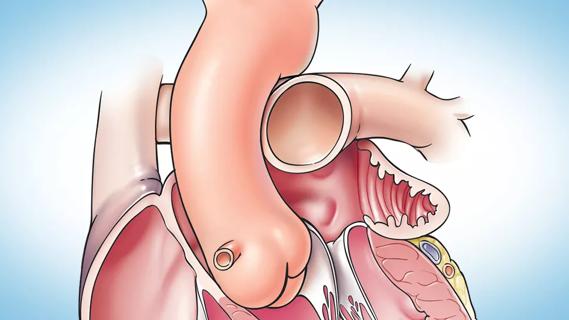
Concomitant AF ablation and LAA occlusion strongly endorsed during elective heart surgery
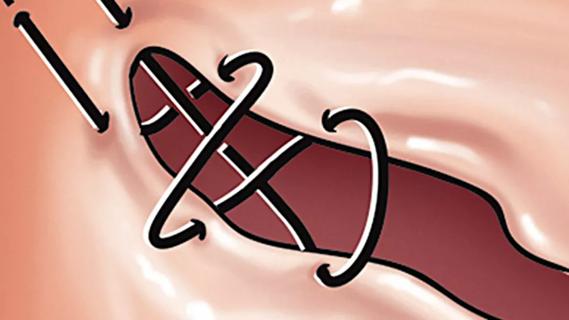
Large retrospective study supports its addition to BAV repair toolbox at expert centers
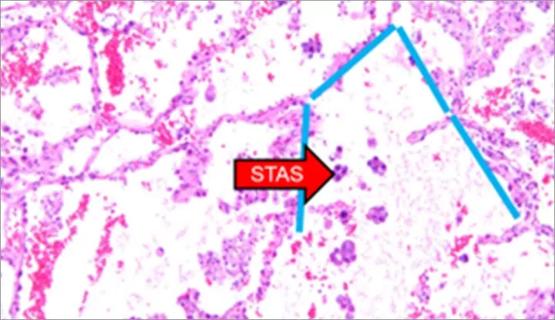
Young age, solid tumor, high uptake on PET and KRAS mutation signal risk, suggest need for lobectomy
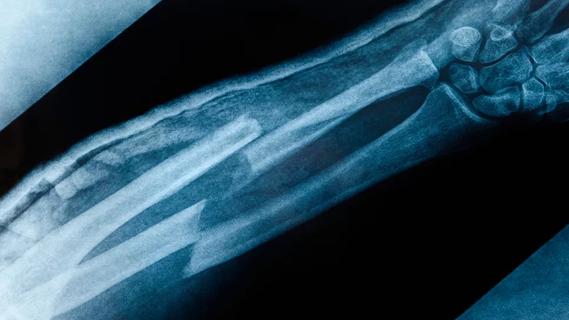
Surprise findings argue for caution about testosterone use in men at risk for fracture
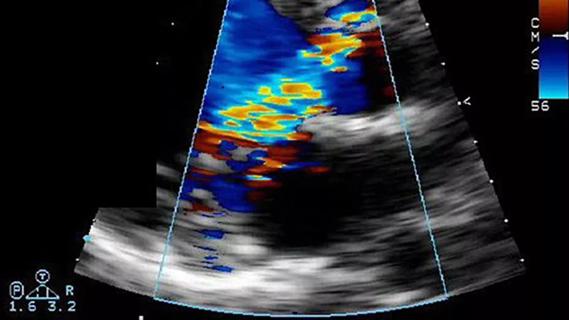
Residual AR related to severe preoperative AR increases risk of progression, need for reoperation

Findings support emphasis on markers of frailty related to, but not dependent on, age
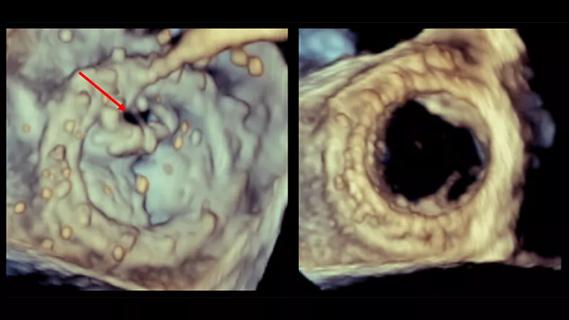
Provides option for patients previously deemed anatomically unsuitable
 Search