Locations:





Perspectives from leading Cleveland Clinic co-investigators
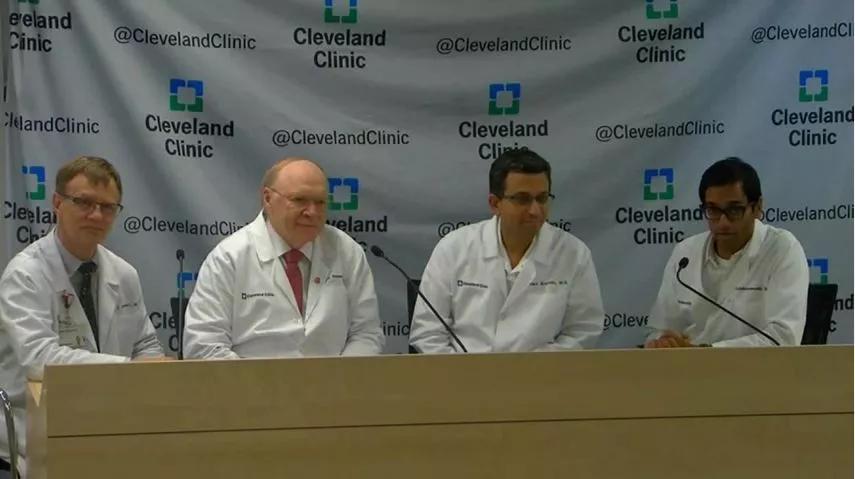
Image content: This image is available to view online.
View image online (https://assets.clevelandclinic.org/transform/a7c7e69d-bda5-4355-b71e-0e6c443bc72d/Twitter-160413-TAVR_jpg)
Twitter-160413-TAVR
The latest results from two major multicenter studies have bolstered the case that transcatheter aortic valve replacement (TAVR) may be emerging as the standard of care in intermediate-risk patients with severe aortic stenosis. Both studies were presented as late-breaking trials at ACC.16, the American College of Cardiology’s 65th Scientific Session.
Advertisement
Cleveland Clinic is a non-profit academic medical center. Advertising on our site helps support our mission. We do not endorse non-Cleveland Clinic products or services. Policy
First was the final two-year report out of the PARTNER 2A randomized trial comparing TAVR with surgical aortic valve replacement among 2,032 patients at intermediate risk of surgical complications. The findings confirmed that TAVR’s noninferiority to surgical aortic valve replacement — which was already established in high-risk patients — extends to this additional intermediate-risk population as well. But the insights didn’t stop there: PARTNER 2A also showed that the subgroup of patients who received TAVR via transfemoral access had a statistically significant reduction in the primary end point of all-cause death or disabling stroke compared with the surgery group. The study was simultaneously published in the New England Journal of Medicine.
Next was the report of one-year results from the observational SAPIEN 3 study assessing outcomes among 1,077 intermediate-risk patients with severe aortic stenosis who received TAVR using the new-generation SAPIEN 3 valve. The study used a prespecified propensity-score analysis to compare these outcomes with those from the surgical valve replacement arm in the PARTNER 2A trial. It found TAVR with SAPIEN 3 to be significantly superior to surgery on the primary composite end point of death, stroke and severe aortic regurgitation at one year. The results were simultaneously published in The Lancet.
Cleveland Clinic was a participating center in both studies. In the video below, two of the trials’ investigators — cardiothoracic surgeon Lars Svensson, MD, PhD, Chairman of Cleveland Clinic’s Miller Family Heart & Vascular Institute, and interventional cardiologist Samir Kapadia, MD — are joined by colleagues from Cleveland Clinic’s TAVR team to interpret the studies and explore their clinical implications. They touch on everything from likely FDA actions in the wake of these studies to the next phase of the PARTNER research project.
Advertisement
Video content: This video is available to watch online.
View video online (https://www.youtube.com/embed/tkjoXUbPQ7s?feature=oembed)
Click here for more on clinical research presented at ACC.16.
Advertisement
Advertisement
A sampling of outcome and volume data from our Heart & Vascular Institute
Concomitant AF ablation and LAA occlusion strongly endorsed during elective heart surgery
Large retrospective study supports its addition to BAV repair toolbox at expert centers
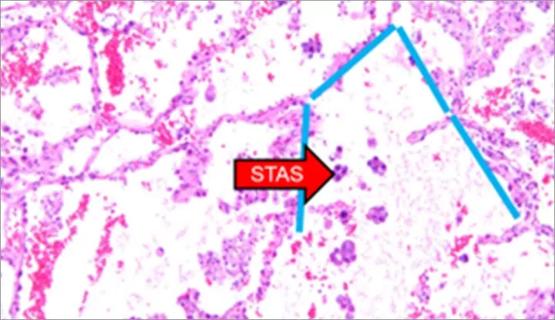
Young age, solid tumor, high uptake on PET and KRAS mutation signal risk, suggest need for lobectomy
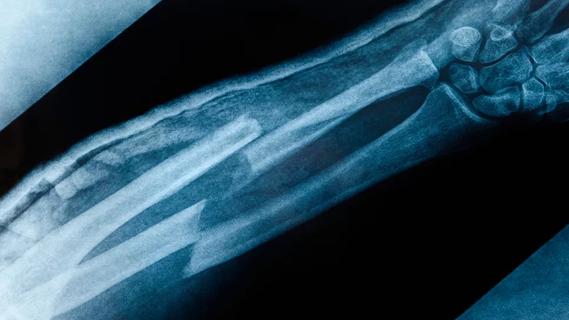
Surprise findings argue for caution about testosterone use in men at risk for fracture
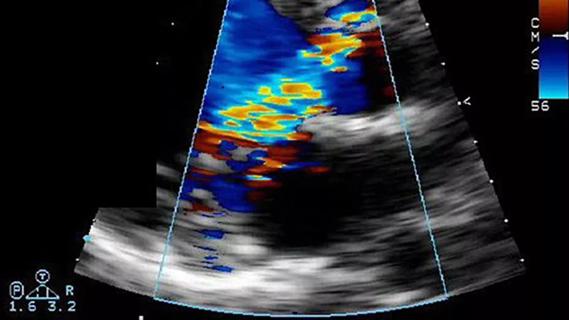
Residual AR related to severe preoperative AR increases risk of progression, need for reoperation

Findings support emphasis on markers of frailty related to, but not dependent on, age
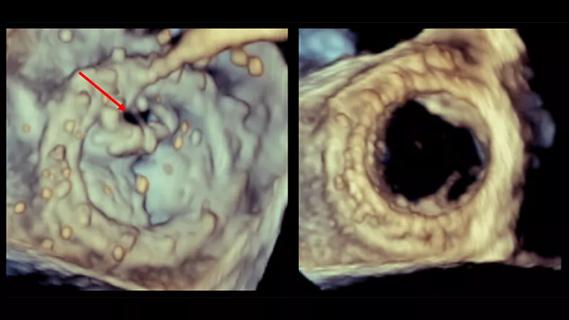
Provides option for patients previously deemed anatomically unsuitable
 Search