Locations:





New complement to Grand Rounds proves an instant hit
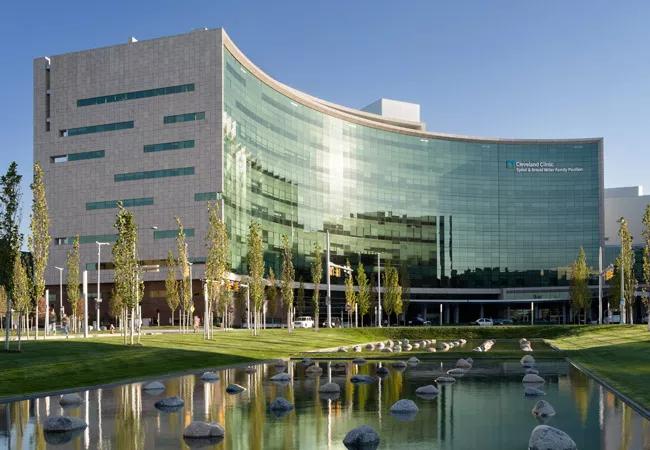
Image content: This image is available to view online.
View image online (https://assets.clevelandclinic.org/transform/e322e83c-fbd1-487e-bce5-b98a694c0a7c/16-HRT-373-Roselli-CQD-650x450_jpg)
Cleveland Clinic
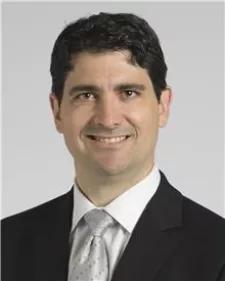
Image content: This image is available to view online.
View image online (https://assets.clevelandclinic.org/transform/a9311a8d-82ee-4633-a268-4479288729a1/roselli-eric_jpg)
Eric E. Roselli, MD
Advertisement
Cleveland Clinic is a non-profit academic medical center. Advertising on our site helps support our mission. We do not endorse non-Cleveland Clinic products or services. Policy
Do you work with distinguished experts across many disciplines but find that everyone’s schedules are so overloaded that there’s little time for collegial interaction?
The situation was a familiar one for Eric E. Roselli, MD. He’s a cardiothoracic surgeon in Cleveland Clinic’s Miller Family Heart & Vascular Institute, where the wealth of expertise can make it impossible for a physician to keep abreast of what his or her colleagues from other cardiovascular subspecialties can offer.
“We are all so busy that we simply can’t keep up with what each other is doing,” Dr. Roselli explains.
That began to change when Tall Rounds® was born.
As director of Cleveland Clinic’s Aorta Center, Dr. Roselli was allocated two conference slots per month for education in aortic diseases. Although he chose speakers carefully, he felt the routine had become stale.
He had already begun pondering ways to make the sessions more interesting when Miller Family Heart & Vascular Institute Chairman Lars Svensson, MD, PhD, asked him to help expand the activities of the Centers of Excellence within the institute.
While thinking about this model, Dr. Roselli had an epiphany: He’d give up one of his slots for an interactive, interdisciplinary teaching conference designed to address shared patient care issues. He chose a topic, gathered experts from a variety of cardiovascular subspecialty areas and gave each one five minutes to provide pearls of information relevant to a topic they encounter regularly.
The response was overwhelmingly favorable. Physicians, surgeons, trainees, nurse practitioners, physician assistants, nurses and technicians crammed the room and spilled out into the hallways.
Advertisement
More than 20 Tall Rounds later, the conference series is going strong. To meet demand, Tall Rounds is now offered up to twice a month and was moved to a state-of-the-art conference space designed to handle crowds. Wall-mounted monitors make it easy for audiences, which number up to 180 attendees, to see slides and video segments.
Each presentation follows the same format: A fellow presents a patient case and relevant imaging, and four to seven specialists from various cardiovascular subspecialties (and occasionally from other disciplines, such as genetic medicine) speak to the topic. The final 15 minutes is allocated to a wrap-up and discussion. CME credit is provided.
All Tall Rounds sessions are broadcast live to Cleveland Clinic locations worldwide. A two-way audio link allows attendees as far away as Cleveland Clinic Abu Dhabi to participate fully.
Cleveland Clinic is now looking into expanding access online (with CME credit) to physicians outside the institution for both Tall Rounds and some cardiovascular-related Grand Rounds presentations.
There’s no dearth of presenters, either. Dr. Roselli has a long list of topics and speakers in the pipeline.
“No one is too busy to prepare a five-minute talk in their specialty,” he says. “It’s long enough to get another’s focused perspective, and everyone feels they have learned something valuable.”
Tall Rounds helps fill knowledge gaps in an organization built on the strength of multidisciplinary care.
“The range of issues involved in patient management can be mind-boggling —from the medications we prescribe, to the imaging studies we need to make a diagnosis, to the optimal choice of treatment between medicine, surgery or a catheter-based intervention,” says Dr. Roselli. “Tall Rounds has enabled us to identify some unanswered questions we need to address.
Advertisement
“No single physician can deliver the best care,” he continues. “It takes a team with access to all options and tools. Promoting understanding of what everyone on the team can offer improves collaboration and, ultimately, patient care.”
Advertisement
Advertisement
A sampling of outcome and volume data from our Heart & Vascular Institute
Concomitant AF ablation and LAA occlusion strongly endorsed during elective heart surgery
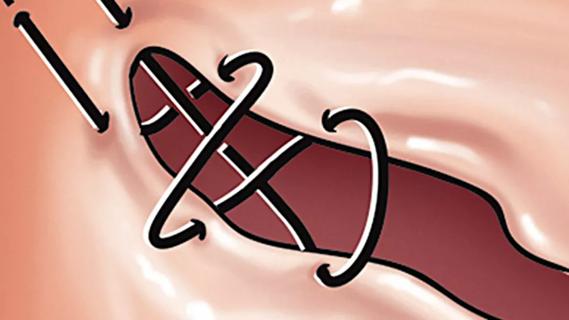
Large retrospective study supports its addition to BAV repair toolbox at expert centers
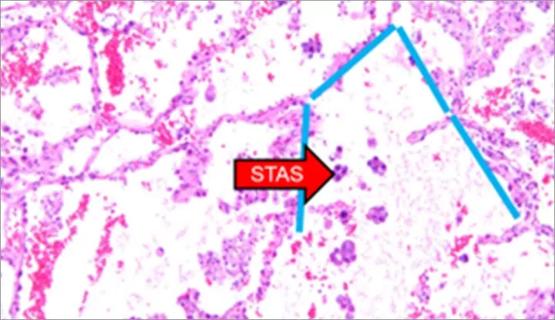
Young age, solid tumor, high uptake on PET and KRAS mutation signal risk, suggest need for lobectomy
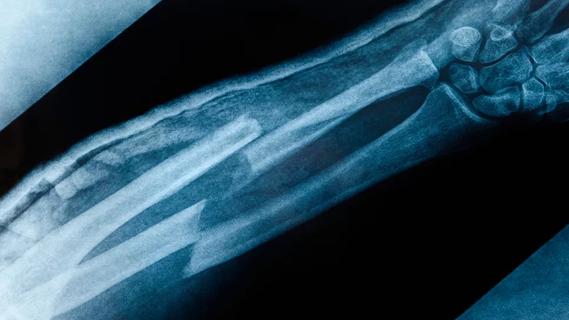
Surprise findings argue for caution about testosterone use in men at risk for fracture
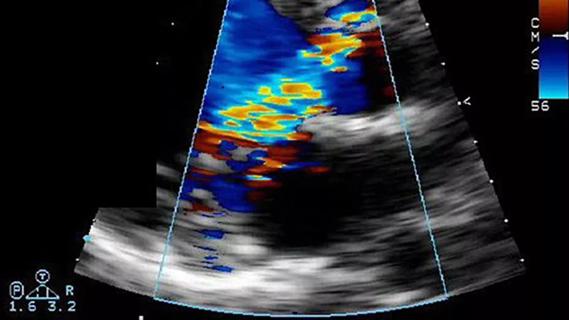
Residual AR related to severe preoperative AR increases risk of progression, need for reoperation
Findings support emphasis on markers of frailty related to, but not dependent on, age
Provides option for patients previously deemed anatomically unsuitable
 Search