Locations:





Free CME now offered for online cardiovascular educational series
Image content: This image is available to view online.
View image online (https://assets.clevelandclinic.org/transform/491e4a8c-a1c5-412f-aeb8-41f3d2a31c67/20-HVI-1877458-Tall-Rounds-Image-CQD_jpg)
20-HVI-1877458-Tall-Rounds-Image-CQD
With live CME programs being cancelled at every turn in response to the COVID-19 pandemic, sources for engaging, high-quality online CME are more important than ever. That’s why there couldn’t be a better time to launch CME certification for the popular Tall Rounds® online video educational series from Cleveland Clinic’s Miller Family Heart, Vascular & Thoracic Institute.
Advertisement
Cleveland Clinic is a non-profit academic medical center. Advertising on our site helps support our mission. We do not endorse non-Cleveland Clinic products or services. Policy
All Tall Rounds sessions from the beginning of 2020 onward are now offered with complimentary CME credit for all physicians who complete a session and wish to claim credit. “When viewers are on a session’s program page online, they can just click a link to the website of Cleveland Clinic’s Center for Continuing Education to log in and claim their credit,” explains Katie Breznai, program manager for Tall Rounds.
“We launched Tall Rounds about five years ago as a fresh take on continuing education in cardiovascular and thoracic disease,” says Cleveland Clinic cardiothoracic surgeon Eric Roselli, MD, who serves as activity director for the series. “The idea was to devote an hour to exploring a focused clinical topic from a range of subspecialty perspectives via five- to seven-minute presentations by subspecialists from their particular area of expertise. Every session starts with a real-world case and concludes with a Q&A and discussion where everyone weighs in on key takeaways for practice. The result is a fast-paced and interdisciplinary take where virtually everyone learns something new.”
The hourlong sessions are offered approximately twice a month. As of late April, six CME-certified sessions are available at clevelandclinic.org/tallrounds:
Advertisement
Upcoming sessions will cover the following topics (among others):
For complimentary registration to Tall Rounds, visit clevelandclinic.org/tallrounds.
Advertisement
Advertisement
A sampling of outcome and volume data from our Heart & Vascular Institute
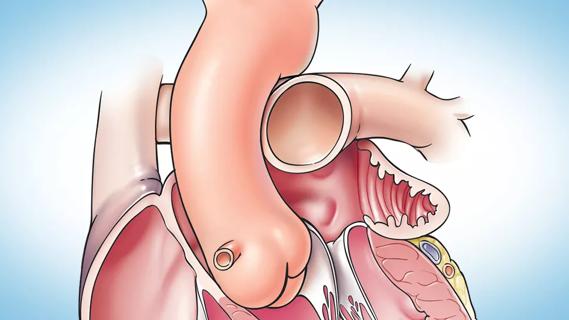
Concomitant AF ablation and LAA occlusion strongly endorsed during elective heart surgery
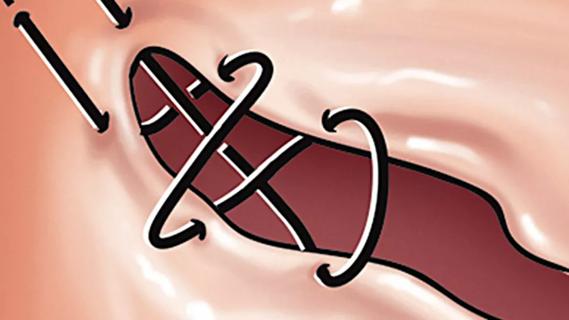
Large retrospective study supports its addition to BAV repair toolbox at expert centers
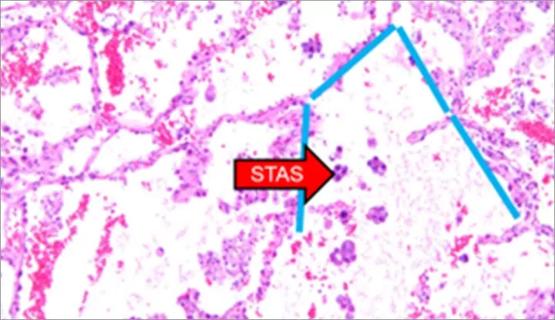
Young age, solid tumor, high uptake on PET and KRAS mutation signal risk, suggest need for lobectomy
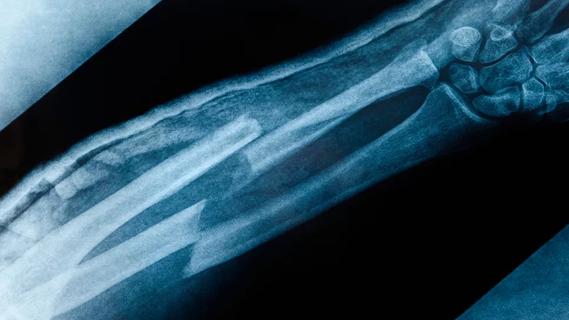
Surprise findings argue for caution about testosterone use in men at risk for fracture
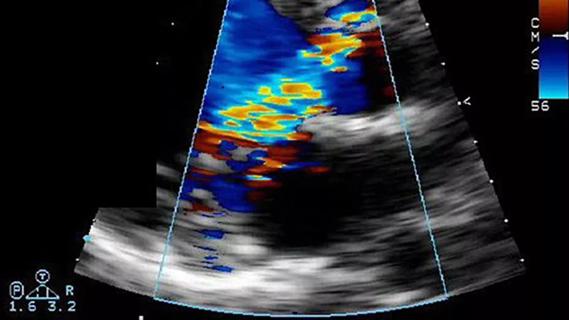
Residual AR related to severe preoperative AR increases risk of progression, need for reoperation

Findings support emphasis on markers of frailty related to, but not dependent on, age
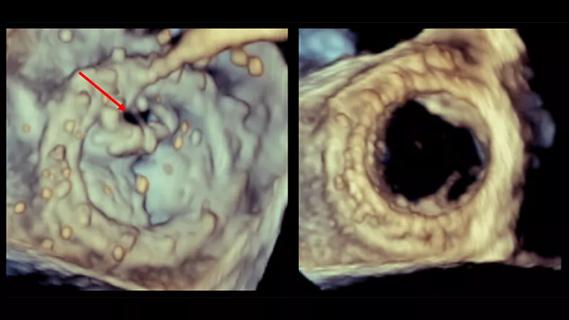
Provides option for patients previously deemed anatomically unsuitable
 Search