Locations:





Advantage is greatest in patients with the most complex disease
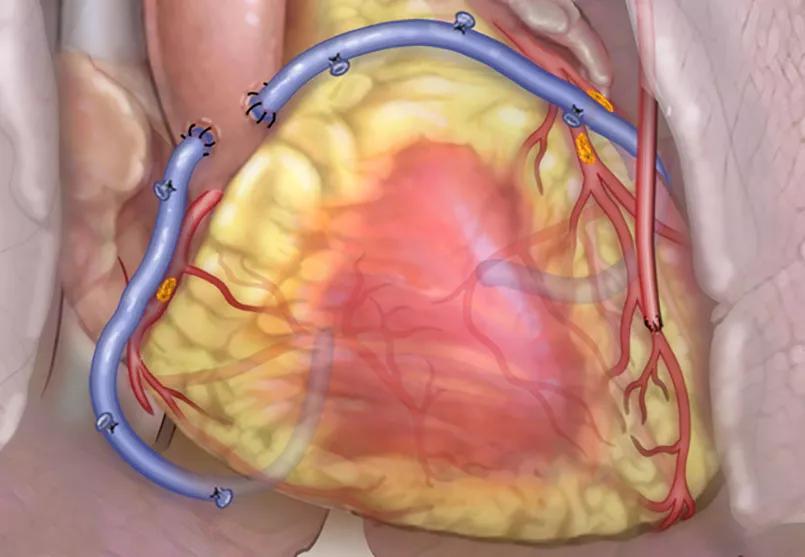
Image content: This image is available to view online.
View image online (https://assets.clevelandclinic.org/transform/19d01c5e-c5f6-4f29-af1d-8224a567f166/17-HRT-445-SYNTAX-CQD_805-Hero_jpg)
SYNTAX Study
Four years ago, final clinical results from the multicenter SYNTAX trial showed that patients with three-vessel or left main coronary artery disease (CAD) who undergo bypass surgery have better major adverse cardiovascular outcomes at five years than their matched counterparts who undergo percutaneous coronary intervention (PCI) with a first-generation drug-eluting stent (DES). Now a health status substudy of SYNTAX finds that the bypass recipients are also more likely to enjoy a higher quality of life over the long term.
Advertisement
Cleveland Clinic is a non-profit academic medical center. Advertising on our site helps support our mission. We do not endorse non-Cleveland Clinic products or services. Policy
The new results, published in the April 25, 2017, issue of the Journal of the American College of Cardiology, provide further support to coronary artery bypass graft surgery (CABG) as the preferred revascularization option for patients with anatomically complex three-vessel or left main CAD.
“Both CABG and PCI with a DES were associated with substantial and sustained quality-of-life benefits over five years of follow-up,” explains the study’s first author, Cleveland Clinic cardiologist Mouin S. Abdallah, MD. “But CABG provided greater angina relief at five years, primarily due to an advantage among patients with anatomically complex disease as reflected by higher SYNTAX scores.”
The new substudy was designed as a prospective health inventory of patients randomized in the SYNTAX (Synergy Between PCI with Taxus and Cardiac Surgery) trial to either CABG or PCI with the first-generation paclitaxel-eluting stent TAXUS.
Patients’ health status was evaluated at baseline and at multiple time points after revascularization (1, 6, 12, 36 and 60 months) using the CAD-specific Seattle Angina Questionnaire (SAQ) and the more general 36-Item Short Form Health Survey (SF-36).
Of the 1,800 initial SYNTAX enrollees, 1,731 had baseline health status data and were included in the substudy analysis; complete health status data were available through the full five years of follow-up for 1,222 patients.
At five years of follow-up, CABG was statistically significantly superior to PCI on several SAQ domains, including angina frequency and physical function, as well as on the “role physical” and “role emotional” subscales of the SF-36.
Advertisement
Subgroup analysis showed a significant interaction (P = .048) between angiographic complexity (i.e., SYNTAX score ≥ 23) and angina relief. “This reinforces the recommendation that CABG should be strongly preferred for patients with high SYNTAX scores, which aligns with findings from the study’s primary clinical analysis,” notes Dr. Abdallah.
Among other notable findings:
“The long-term health status differences observed in this trial were comparable to those seen in FREEDOM, another contemporary trial comparing CABG and PCI with a drug-eluting stent to assess long-term outcomes, albeit in patients with diabetes and multivessel CAD,” notes Dr. Abdallah, who also served as first author of the FREEDOM study report published in JAMA in 2013.
He adds that while this cumulative evidence clearly makes CABG the revascularization treatment of choice for high-risk patients, for patients with anatomically less complex disease, PCI with a DES remains a reasonable alternative, particularly given the substantial and sustained quality-of-life gains seen with both revascularization strategies. “For patients with a SYNTAX score below 23, a comprehensive heart team approach should be used to explore and weigh both options according to the patient’s preferences and priorities,” he says.
Advertisement
Dr. Abdallah and his SYNTAX co-investigators conclude their study report with a call for future trials to explore whether new-generation DESs might yield benefits more comparable to those of CABG for this patient population.
Advertisement
Advertisement

A sampling of outcome and volume data from our Heart & Vascular Institute
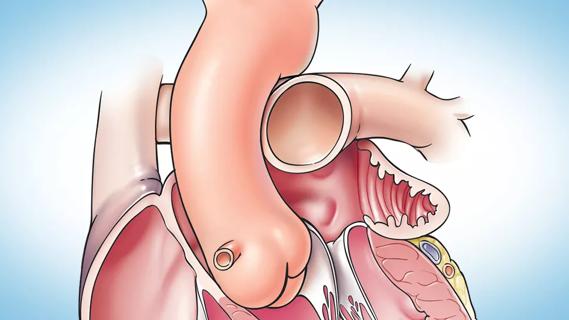
Concomitant AF ablation and LAA occlusion strongly endorsed during elective heart surgery

Large retrospective study supports its addition to BAV repair toolbox at expert centers
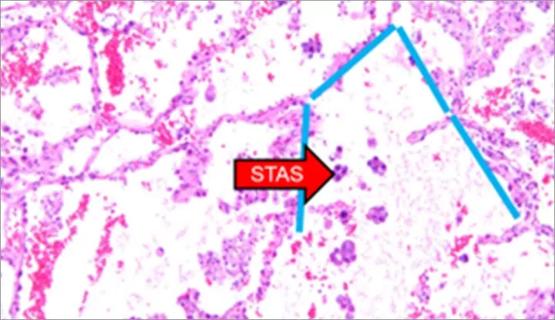
Young age, solid tumor, high uptake on PET and KRAS mutation signal risk, suggest need for lobectomy

Surprise findings argue for caution about testosterone use in men at risk for fracture
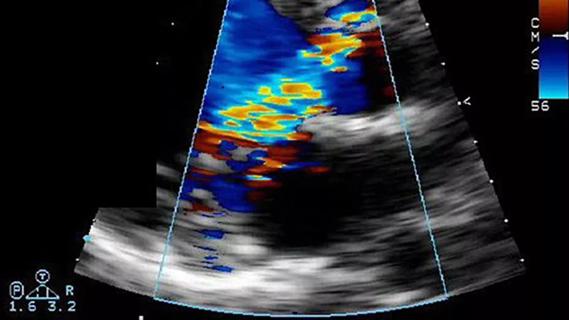
Residual AR related to severe preoperative AR increases risk of progression, need for reoperation

Findings support emphasis on markers of frailty related to, but not dependent on, age

Provides option for patients previously deemed anatomically unsuitable
 Search