Locations:





Interim report from large registry analysis compares favorably with pivotal trial
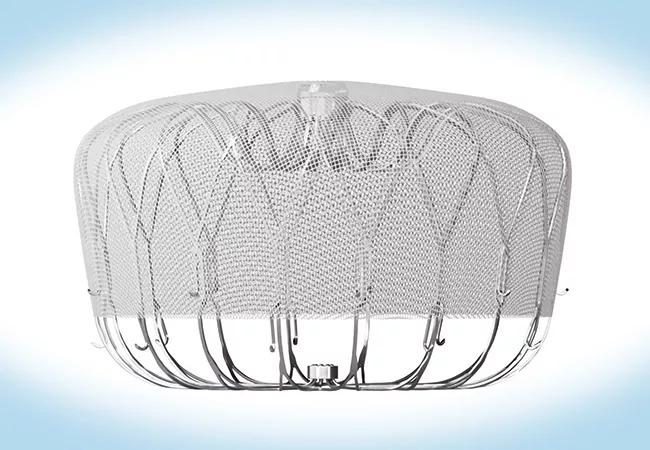
Image content: This image is available to view online.
View image online (https://assets.clevelandclinic.org/transform/824ef493-6db2-4a8d-9f2f-073c6764639f/22-HVI-2716409-CQD-650x450A_jpg)
The Featured Image for the post
Real-world outcomes through 45 days with the new-generation Watchman device, Watchman FLX™, compare favorably with outcomes from the device’s pivotal clinical trial, according to an interim report from the ongoing SURPASS registry study.
Advertisement
Cleveland Clinic is a non-profit academic medical center. Advertising on our site helps support our mission. We do not endorse non-Cleveland Clinic products or services. Policy
The results, which showed low rates of adverse events and peri-device leak, were presented at a late-breaking trial session at the Cardiovascular Research Technologies 2022 meeting by lead investigator Samir Kapadia, MD, Chair of Cardiovascular Medicine at Cleveland Clinic.
“The SURPASS study is the largest dataset to date on the use of Watchman FLX, and it shows that this stroke reduction therapy is safe and effective for closing the left atrial appendage, with results similar to what was seen in clinical testing,” says Dr. Kapadia.
The centerpiece of that clinical testing was PINNACLE FLX, a 12-month investigational device exemption study that provided the basis for FDA approval of Watchman FLX in July 2020. Like its predecessor Watchman device, the new device is approved to reduce stroke risk in patients with nonvalvular atrial fibrillation who require an alternative to long-term oral anticoagulation.
The new-generation device, which is fully recapturable and repositionable, was developed to improve upon the first-generation Watchman through a larger number of struts, a closed distal end to reduce the risk of perforation, dual-row anchors to lower embolization risk, and reduced metal exposure.
The SURPASS study is analyzing results among Watchman FLX recipients in the American College of Cardiology’s National Cardiovascular Data Registry (NCDR) Left Atrial Appendage Occlusion (LAAO) Registry. “We undertook this analysis to determine whether outcomes among thousands of real-world patients receiving the device were similar to those in the 400 patients from PINNACLE FLX,” Dr. Kapadia explains. “This is important because nearly 2,000 of these devices are being implanted each month since Watchman FLX was commercialized.”
Advertisement
SURPASS includes 16,048 patients from the NCDR-LAAO Registry who received Watchman FLX and had data available at discharge; of these, 14,107 had data at 45 days after implantation. The overall cohort had the following characteristics:
Results included the following:
“These results represent the experience of more than 2,000 U.S. physicians using this device in routine clinical practice,” says Dr. Kapadia. “They are consistent with the results of PINNACLE FLX and provide reassurance about the safety and efficacy of the Watchman FLX device as an alternative to long-term oral anticoagulation in patients with nonvalvular atrial fibrillation.”
Advertisement
The SURPASS study is continuing to collect outcomes through at least two years following implantation in all Watchman FLX recipients in the NCDR-LAAO Registry from August 2020 to August 2022. Its key effectiveness endpoint will be rates of ischemic stroke or systemic embolism at 24 months.
The Watchman FLX device is also being prospectively compared with oral anticoagulation in two ongoing multicenter randomized controlled trials — OPTION and CHAMPION-AF. “These two large studies may lead to expanding indications to patients undergoing ablation and broader use in atrial fibrillation patients with low risk of bleeding,” says Oussama Wazni, MD, Section Head of Cardiac Electrophysiology and Pacing at Cleveland Clinic. “The current results of SURPASS are very encouraging and provide further reassurance about the acute and subacute procedural outcomes. Longer-term follow-up of three to five years in both OPTION and CHAMPION-AF will better define the risk of stroke and bleeding in these patients receiving Watchman FLX.”
Dr. Kapadia says future research should address strategies for preventing device-related thrombus, long-term effects of pericardial effusion, and whether and when to stop anticoagulation in Watchman FLX recipients.
Dr. Kapadia reports no financial disclosures relevant to the research reported here.
Image of the Watchman FLX device is courtesy of Boston Scientific.
Advertisement
Advertisement

A sampling of outcome and volume data from our Heart & Vascular Institute
Concomitant AF ablation and LAA occlusion strongly endorsed during elective heart surgery
Large retrospective study supports its addition to BAV repair toolbox at expert centers
Young age, solid tumor, high uptake on PET and KRAS mutation signal risk, suggest need for lobectomy
Surprise findings argue for caution about testosterone use in men at risk for fracture
Residual AR related to severe preoperative AR increases risk of progression, need for reoperation

Findings support emphasis on markers of frailty related to, but not dependent on, age
Provides option for patients previously deemed anatomically unsuitable
 Search