Locations:





3-day course to convene world experts on this diverse group of focal epilepsies
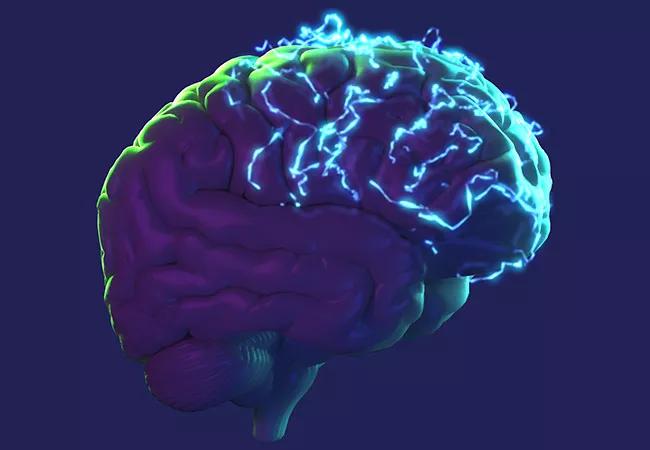
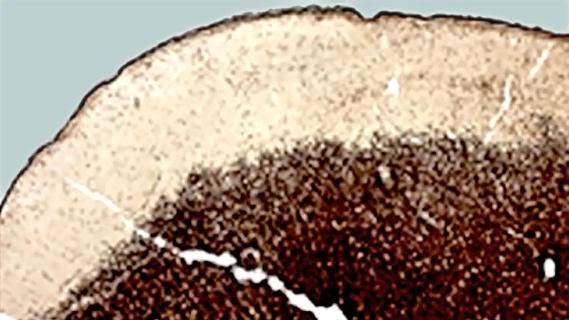
Image content: This image is available to view online.
View image online (https://assets.clevelandclinic.org/transform/d0dd13ae-9e4e-4bc7-b471-f56372404325/19-NEU-518-epilepsy-brain-650x450_jpg)
19-NEU-518-epilepsy-brain-650×450
When it comes to the diverse pathology known as focal cortical dysplasia (FCD), a decade can seem nearly as long as a lifetime. That’s because understanding of this collection of pharmacoresistant focal epilepsies is evolving so swiftly that it’s again time to update the classification of FCD — just about a decade after the last classification.
Advertisement
Cleveland Clinic is a non-profit academic medical center. Advertising on our site helps support our mission. We do not endorse non-Cleveland Clinic products or services. Policy
The classification update is a key impetus for Cleveland Clinic’s Neurological Institute Summit 2019, titled “Epilepsy — Focal Cortical Dysplasia” and slated to run from Thursday afternoon, Sept. 12, through noon on Sunday, Sept. 15, at the InterContinental Hotel & Bank of America Conference Center on Cleveland Clinic’s main campus. The summit is endorsed by the International League Against Epilepsy (ILAE) and certified for CME credit.
“We will be convening leading world experts in FCD to review developments since the previous classification [published in 2011],” says the summit director, Imad Najm, MD, Director of Cleveland Clinic’s Epilepsy Center. “A group of international experts will present in-depth updates on FCD from virtually all angles — diagnosis, clinical management, surgical strategies, pathology, imaging, molecular biology and genetics.”
The updates will come in the form of two dozen lectures supplemented by frequent interactive roundtable discussions and three forward-looking keynote presentations.
“Any clinician or researcher with an interest in epilepsy and malformations of cortical development will find plenty of interest at the summit,” Dr. Najm says, noting that FCD pathology is now implicated in approximately half of all patients who undergo epilepsy surgery.
The summit holds particular promise for those hoping to gain broad insights into some of the changes in store in the 2020 FCD classification, slated to be published by 2021, as the entire Saturday afternoon session is devoted to the classification update.
Advertisement
“How much of a preview we can give depends on how much of the data analyses can be completed by the time of the summit,” notes Dr. Najm, who is leading the 15-member ILAE task force for the classification update. Immediately after the summit adjourns at midday on Sunday, Sept. 15, he will host a closed meeting of the task force to discuss next steps in the classification proposal.
As the organizer of the first such meeting on the classification of FCD — held in 2000, which resulted in the initial FCD classification, published in 2004 — Dr. Najm brings a rich historical perspective to how the field has evolved.
“In 2000, when we held the first meeting around FCD classification, we knew about the pathology of this challenging group of entities but very little about the clinical aspects,” he explains. “At the second meeting, held in 2008 for the classification update published in 2011, we were able to link pathology to clinical presentations much better. Now, in 2019, we are starting to link genetic and molecular findings to both pathology and clinical characteristics of FCD. We are now moving toward a genetic molecular classification in this field, just like what has happened in oncology.”
He adds that this is resulting in enhanced cross-pollination of expertise in the field. “At this summit, we will for the first time have geneticists and molecular biologists exchanging ideas in the same setting with some of the epilepsy clinicians, neurosurgeons, imaging specialists, pathologists and electrophysiologists who were there before,” he says. “The result will be one of the most comprehensive and revealing courses on FCD ever held from a clinical and translational standpoint.”
Advertisement
For the summit agenda and faculty list, visit ccfcme.org/nisummitepilepsy19.
This activity has been approved for AMA PRA Category 1 Credit™.
Image at top created for Cleveland Clinic by WP BrandStudio.
Advertisement
Advertisement

New study advances understanding of patient-defined goals
Testing options and therapies are expanding for this poorly understood sleep disorder
Real-world claims data and tissue culture studies set the stage for randomized clinical testing
Digital subtraction angiography remains central to assessment of ‘benign’ PMSAH

Cleveland Clinic neuromuscular specialist shares insights on AI in his field and beyond
Findings challenge dogma that microglia are exclusively destructive regardless of location in brain
Neurology is especially well positioned for opportunities to enhance clinical care and medical training
New review distills insights from studies over the past decade
 Search