Locations:





Our approach to ensuring patient safety

Image content: This image is available to view online.
View image online (https://assets.clevelandclinic.org/transform/6b8f1a3c-bb89-4086-a931-d26291040856/19-pai-1058-Abdelmalak-procedural-sedation_489040642_CQD_650x450_jpg)
19-pai-1058-Abdelmalak-procedural-sedation_489040642_CQD_650x450
When less invasive procedures don’t require local, regional or general anesthesia, proceduralists can use procedural sedation to help block patients’ pain, discomfort and anxiety. However, proceduralists must be proficient in sedation levels to avoid fluctuations in patients’ consciousness, and in extreme instances, the need for resuscitation.
Advertisement
Cleveland Clinic is a non-profit academic medical center. Advertising on our site helps support our mission. We do not endorse non-Cleveland Clinic products or services. Policy
And with more than 100,000 cases using procedural sedation throughout Cleveland Clinic’s health system, our Procedural Sedation Committee oversees and applies several safeguards to ensure the delivery of exceptional care.
“Any time a patient is sedated, there’s an increased risk for complications,” says staff anesthesiologist Basem Abdelmalak, MD, Director of the Center for Sedation and co-chair of Cleveland Clinic’s Procedural Sedation Committee. “Knowing the potential risks, we take extraordinary precautions to ensure our patients are safe when using any form of sedation. There’s an intricate balance between keeping patients comfortable while selecting the appropriate sedation option.”
The committee uses a multipronged approach to ensure the safety and efficacy of procedural sedation across all of Cleveland Clinic.
“Sedation is a continuum of care,” Dr. Abdelmalak adds. “And that care has to be patient-specific. By applying standardized guidelines, proceduralists can select the appropriate sedation, or in complex instances, consult with an anesthesiologist to determine the safest approach.”
Advertisement
Nearly 600 physicians and 1,500 registered nurses at Cleveland Clinic follow these best practices to be approved to perform procedural sedation.
Gastroenterologist Talal Adhami, MD, knows the benefits. As co-chair of the Procedural Sedation Committee, Dr. Adhami explains, “We see incredible value in our increased scrutiny of our procedural sedation practices. With these additional safeguards, we’ve seen a decline in our over-sedation rates — and that makes a significant impact on our patients’ safety.”
The Procedural Sedation Committee’s work and collaboration exemplifies the team of teams approach where physicians, nurses, accreditation and data specialists, administrators, professional staff affairs and fire safety specialists collectively contribute to the advancement of patient safety.
Advertisement
Advertisement

Two-hour training helps patients expand skills that return a sense of control

Program enhances cooperation between traditional and non-pharmacologic care

National Institutes of Health grant supports Cleveland Clinic study of first mechanism-guided therapy for CRPS

Pain specialists can play a role in identifying surgical candidates
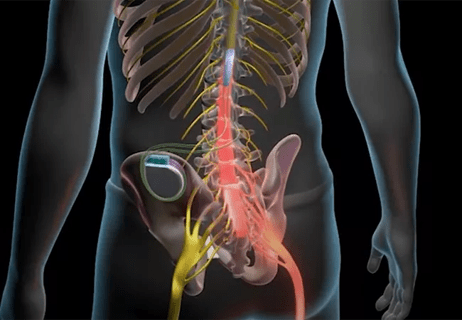
Individual needs should be matched to technological features
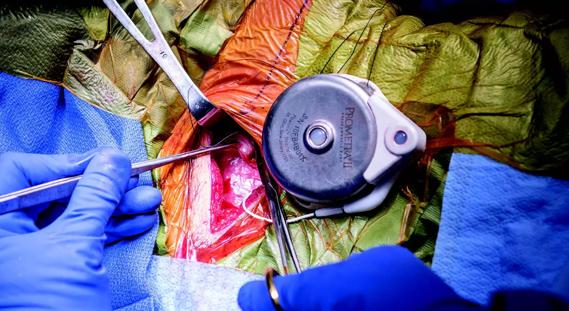
New technologies and tools offer hope for fuller understanding

Pathophysiology, diagnosis, treatment and a COVID-19 connection

Clinical judgment is foundational to appropriately prescribing
 Search