Locations:





The easy-to-use app improves the patient experience
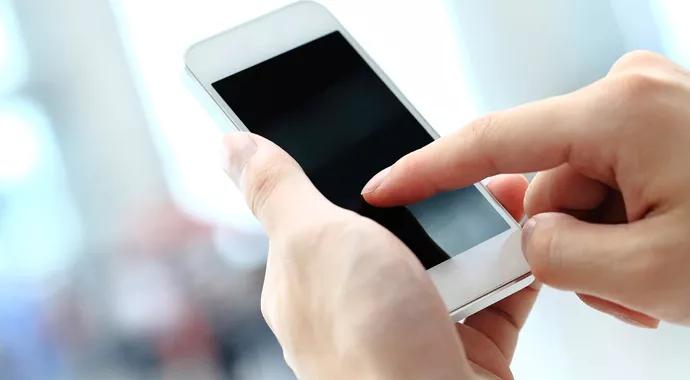
Image content: This image is available to view online.
View image online (https://assets.clevelandclinic.org/transform/5a68dabd-9931-4dfd-ab81-8c9f6c8ab101/100_690x380_jpg)
100_690x380
A couple years ago, Cleveland Clinic instituted nurse manager rounding so leaders would be visible on their units and interact more with patients and caregivers. The program was a success, but the process had a noticeable glitch. “Nurse managers would perform their rounds, then come back to their computers and fill in information in the electronic records,” says Sheila Miller, MSN, MBA, RN, Chief Nursing Officer at South Pointe Hospital, one of Cleveland Clinic’s regional hospitals. “It was cumbersome.”
Advertisement
Cleveland Clinic is a non-profit academic medical center. Advertising on our site helps support our mission. We do not endorse non-Cleveland Clinic products or services. Policy
In March, Cleveland Clinic’s Nursing Institute rolled out a nurse manager rounding app for entering data in real time at the bedside. “It has sped up the process, making it more efficient and easier for nurses to put things into the system immediately,” says Greg Horvath, MBA, RN, a Manager in the Office of Patient Experience.
The rounding app is simple to use. When nurse managers click on the app icon on their smartphones, a screen appears asking them to select the name of their facility. (The app is used by nurse managers at Cleveland Clinic’s main campus, eight regional hospitals, one medical center, Cleveland Clinic Children’s and Cleveland Clinic Florida.) Next, a screen appears asking nurse managers to choose their unit. Then they input such information as number of patients rounded on, number of new admissions and the current bed census.
The main component of the rounding app is related to the patient experience. Nurse managers ask if they can improve the patient experience in approximately 20 areas. These include assistance with toileting, cleanliness, dietary services, personal care needs, medication communication, noise, pain management, plan of care, response to the call button and more. If patients have a concern or compliment in one of these areas, nurse managers can add details in the comments section.
Three months after implementation, nurse managers are praising the app. “It’s very easy to access and handy to use,” says Ana Radeanu, BSN, RN, Nurse Manager of the Progressive Cardiac Care Unit at South Pointe Hospital. “I can use it during or just after rounds from anywhere — even home.” In particular, she likes that the app helps reward positives rather than simply point out areas for improvement. For instance, when patients praise a caregiver, Radeanu includes the compliment in the comments section and shares it with her staff at the next unit huddle.
Advertisement
Perhaps the biggest benefit of the nurse manager rounding app is that it allows nursing units to address any concerns immediately. “If something is not right, the nurse manager can pick up the phone and get it fixed,” says Miller. “The app provides real-time coaching for staff and real-time problem-solving for patients.” For example, if a patient isn’t receiving meals that adhere to his or her dietary restrictions, the nurse manager can call dietary services and rectify the problem. If a patient is in pain, the nurse manager can consult with the physician on adjusting medications.
“It doesn’t do us much good to hear about issues three weeks after the patient has been discharged from the hospital when they fill out an HCAHPS survey,” says Horvath. “We want to know issues in real time and address those issues before the patient leaves the hospital.” In addition, nurse managers receive monthly reports based on the data compiled so they can track how their unit is doing and pick up on any trends.
Ultimately, nurse manager rounding is benefitting the patients. Horvath says that HCAHPS scores related to communication have improved. Though this can’t be wholly attributed to rounding, it certainly helps. The app helps facilitate effective rounding. “It’s not easy for a nurse manager to go out on the floor and ask patients, ‘How’s it going?’ The app provides very specific, formatted questions,” says Miller. And that leads to meaningful interactions with both staff and patients.
Advertisement
Advertisement
Nurses play key role in comprehensive lifetime treatment program
Customized bots improve speed, efficiency by streamlining daily clinical, clerical tasks
Nurses play pivotal role in patients’ ability to recover in the comfort of their own homes
New protocol reduces costs, increases patient and caregiver satisfaction
Advocating for patient safety is imperative in fast-paced surgical settings
M-Power program improves the perinatal experience for people who have survived abuse

Advice for those pursuing a WOC nursing career
Veteran nurse shares his experience as a caregiver and community volunteer
 Search