Locations:





Helping elderly patients beyond their hospital stay
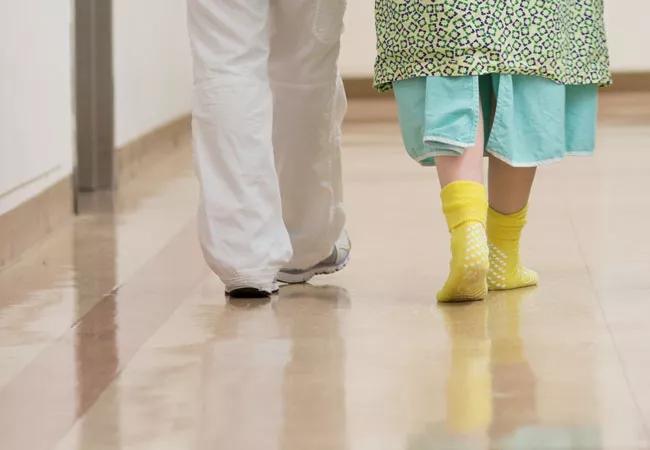
Image content: This image is available to view online.
View image online (https://assets.clevelandclinic.org/transform/483c5acf-64b8-4bc8-8036-fd3806af2cdc/fall_650x450_jpg)
fall_650x450
A Cleveland Clinic Hillcrest Hospital nursing team’s study on the effect of simulation education on fall risks resulted in delivering routine patient education on fall risk prior to discharge.
Advertisement
Cleveland Clinic is a non-profit academic medical center. Advertising on our site helps support our mission. We do not endorse non-Cleveland Clinic products or services. Policy
Falls are the No. 1 injury for U.S. geriatric patients, and the leading cause of fractures and death in the elderly, according to Nancy DeWalt, BSN, RN, PCCN, NE-BC.
“Hospitals do many things to prevent patient falls, such as having patients wear skid-resistant socks and having nurses post signage that warns the healthcare team about fall risk. But after we looked into fall risks further, we realized that we did not educate patients on how to be safe once they go home,” says DeWalt, lead researcher on the study.
After attending a research-education program on simulation education, DeWalt worked with her team and the hospital’s engineering department to convert a sleep study suite into a temporary (two years) simulation classroom.
The classroom had a bedroom and bathroom – two of the most common places for falls – complete with potential fall hazards, including a lip on the shower, throw rugs, oxygen tubing on the floor, and a night stand too far from the bed.
Ninety patients who were hospitalized after a fall event were divided into two groups to receive education on potential fall hazards in the home: (1) written handout or (2) simulation delivered in the temporary classroom. Before and after the education, members of both groups answered test questions based on pictures of fall hazards in a bedroom and bathroom. Following discharge, participants were tracked at two weeks and three months to learn about changes made in tripping hazards and about new fall events and rehospitalization.
Advertisement
Both education methods (handout and simulation) helped participants better identify potential fall risks on the test (post- vs. pre-education), and there was no statistically significant difference in scores between groups. Post discharge, a 10 percent difference between groups was identified, favoring the simulation group, in sustainably reducing fall risks in the home. Additionally, the number of hospital readmissions due to falls during this time (fall rates), was 15 percent lower in the simulation group, although this was not a statistically significant rate of difference between groups.
DeWalt concluded that both groups benefitted from fall risk education and that simulation may be an effective teaching method for some patients, but more research is needed with a larger sample size.
Non-licensed nursing personnel now use a series of photos, based on the simulation room used in the study, to provide short education sessions with patients ready to be discharged. DeWalt joined Cleveland Clinic’s enterprisewide Falls Committee and is presenting study findings to other hospitals and home health agencies in the health system.
Advertisement
Advertisement

Nurses play key role in comprehensive lifetime treatment program
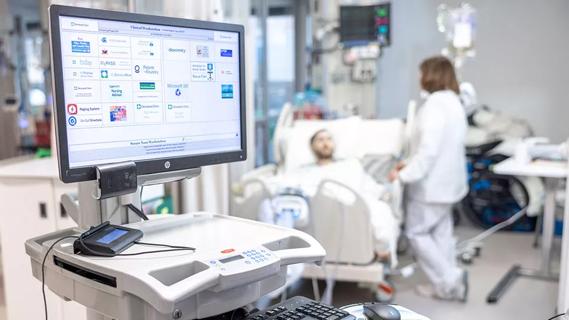
Customized bots improve speed, efficiency by streamlining daily clinical, clerical tasks
Nurses play pivotal role in patients’ ability to recover in the comfort of their own homes
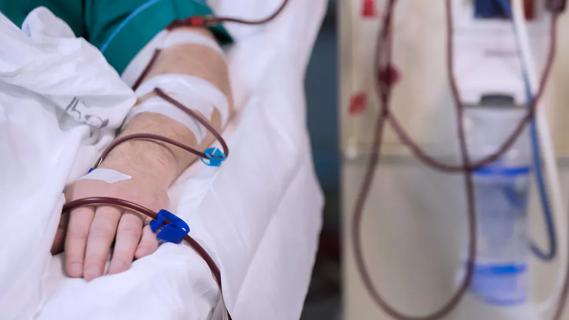
New protocol reduces costs, increases patient and caregiver satisfaction

Advocating for patient safety is imperative in fast-paced surgical settings

M-Power program improves the perinatal experience for people who have survived abuse

Advice for those pursuing a WOC nursing career

Veteran nurse shares his experience as a caregiver and community volunteer
 Search