Locations:





Teaching sheets improve patient knowledge
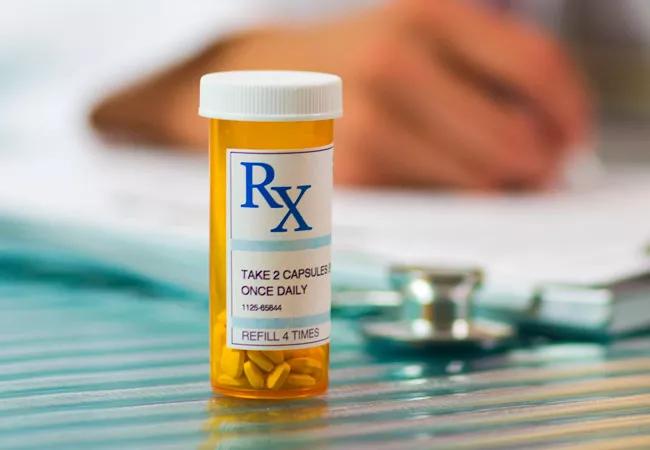
Image content: This image is available to view online.
View image online (https://assets.clevelandclinic.org/transform/5ffe0496-a8f4-4aa3-b9ce-d2adde0ba4af/meds_650x450_jpg)
meds_650x450
Just how well do patients understand their medications? Not well enough, based on HCAHPS (Hospital Consumer Assessment of Healthcare Providers and Systems) survey results of patients discharged from the telemetry unit at a Cleveland Clinic regional hospital. Survey results in late 2014 showed:
Advertisement
Cleveland Clinic is a non-profit academic medical center. Advertising on our site helps support our mission. We do not endorse non-Cleveland Clinic products or services. Policy
“Communicating about medication is a challenge for hospitals everywhere,” says Kelly Brown, RN, in medical/surgical telemetry at Cleveland Clinic’s Fairview Hospital. “It’s especially important that telemetry nurses focus on medication education since patients are often discharged home.”
Understanding meds is hard for many reasons. Some barriers to educating hospitalized patients are that “they’re not feeling well and may be overwhelmed with new information,” Brown says. “Patients may not understand medical terms or long words, especially in complex medication regimens. Nurses need to overcome these barriers to improve medication adherence and post-discharge outcomes.”
At the unit’s request in early 2015, a Cleveland Clinic pharmacy team developed a patient-friendly teaching sheet. It groups medications by function (e.g., antibiotics, pain, blood pressure/heart) and lists common side effects and special instructions.
The Telemetry team began using the sheet during shift-change huddles, and it gradually became the unit’s standard tool for medication discharge education. “Patients could see the most important details on one piece of paper,” says Brown. “We made it simple.”
Three months later, the unit’s HCAHPS scores had improved substantially:
“The sheets helped us increase patient understanding, adherence and satisfaction.” says Brown. Today, many telemetry units throughout Cleveland Clinic use the medication teaching sheet.
Advertisement
Advertisement

Nurses play key role in comprehensive lifetime treatment program
Customized bots improve speed, efficiency by streamlining daily clinical, clerical tasks
Nurses play pivotal role in patients’ ability to recover in the comfort of their own homes
New protocol reduces costs, increases patient and caregiver satisfaction
Advocating for patient safety is imperative in fast-paced surgical settings
M-Power program improves the perinatal experience for people who have survived abuse

Advice for those pursuing a WOC nursing career

Veteran nurse shares his experience as a caregiver and community volunteer
 Search