Locations:





Why our answer is ‘no’
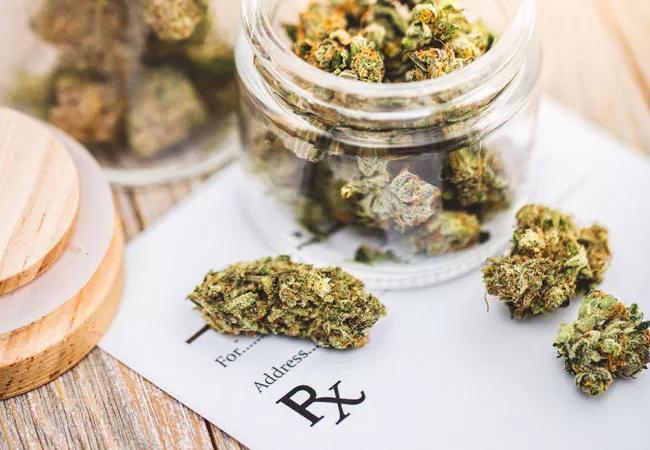
Image content: This image is available to view online.
View image online (https://assets.clevelandclinic.org/transform/47fd7a64-593c-46ca-bfb0-e135bf8b5d6b/18-CCC-2735-medMarijane-650x450_jpg)
18-CCC-2735-medMarijane-650×450
Advertisement
Cleveland Clinic is a non-profit academic medical center. Advertising on our site helps support our mission. We do not endorse non-Cleveland Clinic products or services. Policy
A: At Cleveland Clinic, we believe there are better alternatives.
In the world of healthcare, a medication is a drug that has endured extensive clinical trials, public hearings and approval by the U.S. Food & Drug Administration (FDA). Medications are tested for safety and efficacy. They are closely regulated, from production to distribution. They are accurately dosed, down to the milligram.
Medical marijuana is none of those things.
Laws that allow marijuana to be dispensed for medical conditions cover many specific health conditions, including AIDS, cancer, epilepsy, multiple sclerosis, severe or intractable pain, and ulcerative colitis.
Rather than relying on marijuana, we ― governments, regulators, medical researchers and pharmaceutical companies ― need to focus on research that isolates specific compounds found in marijuana, produces a dose-specific medication, and submits it to testing and regulatory processes.
Such FDA-approved products are already available (most recently for epilepsy) and more are in various stages of research and development.
In June, the FDA approved Epidiolex for treatment of seizures in two rare forms of severe childhood-onset epilepsy. It is the first FDA-approved drug to contain a purified compound ― cannabindiol (CBD) ― derived from marijuana. Previously, the FDA had approved dronabinol and nabilone, both of which contain synthetic versions of tetrahydrocannabinol (THC) to treat chemotherapy-related nausea and to increase appetite in patients with AIDS.
Advertisement
To be clear, there is a difference between medications and ‘medical marijuana’ in the popular sense of the term. In 2017, the National Institutes of Health supported 330 projects totaling almost $140 million on cannabinoid research.
These are the types of marijuana-derived medicines Cleveland Clinic supports and prescribes. Unfortunately, that’s not what will be sold through dispensaries. Products such as vaporizers, edibles, oils, tinctures and patches all lack uniform dosing specificity. The levels of THC or CBD can differ greatly from one dispensary to another or one batch to another. By contrast, an FDA-approved medication offers uniformity; a medication bought in Cleveland today will be the same medication bought in Cincinnati or Denver or San Francisco a year from now.
The federal and state governments should support drug development programs that scientifically evaluate the active ingredients found in marijuana that can lead to important medical therapies.
Patients deserve to know that whatever they are using to control their symptoms is safe and effective. And clinicians need to have confidence that a treatment will work as intended. As a healthcare provider our goal is to help patients, to treat their conditions, to improve their quality of life and to ease their suffering ― within the bounds of scientific evidence.
― Paul Terpeluk, DO
Advertisement
Advertisement
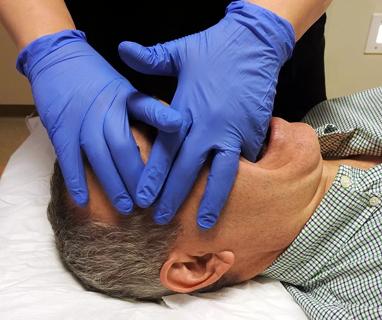
OMT may be right for some with Graves’ eye disease
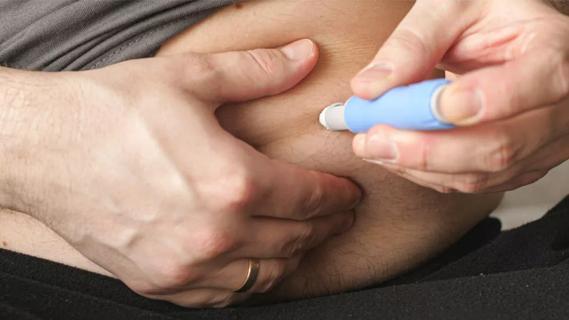
Perserverance may depend on several specifics, including medication type, insurance coverage and medium-term weight loss
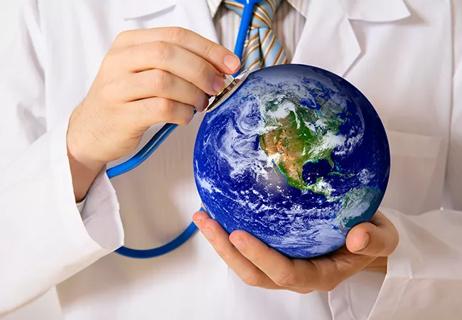
Integrate climate-related health information and counseling into your practice
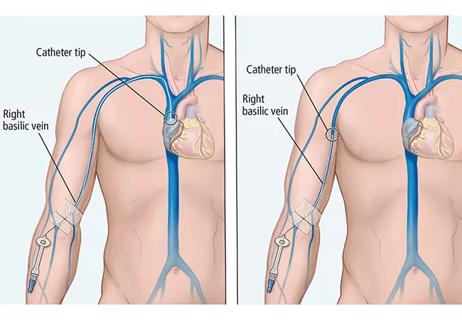
Physicians discuss a specific case example, and PICC pros, cons and alternatives

A snapshot of the 2020 GINA report

A review of available interventions
Abstinence from combustibles, dependence on vaping
An historical view of the disease
 Search