Locations:





Long-standing CME favorite to be offered as a complimentary livestream
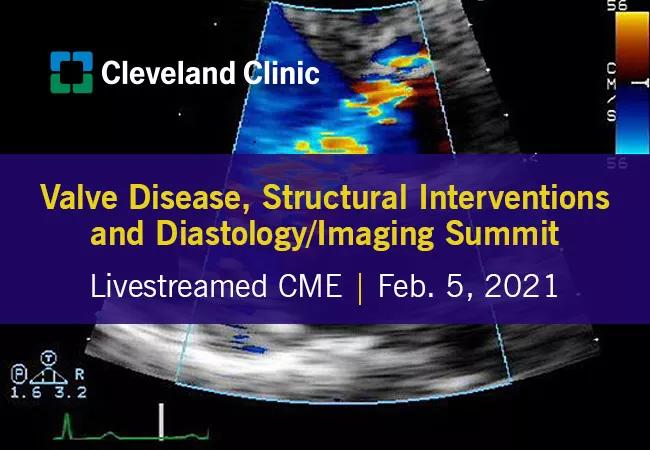
Image content: This image is available to view online.
View image online (https://assets.clevelandclinic.org/transform/c7ee1acb-bdc8-45fc-84ca-bf51ee899b5c/20-HVI-1985012-CME-Preview-CQD_jpg)
20-HVI-1985012-CME-Preview-CQD
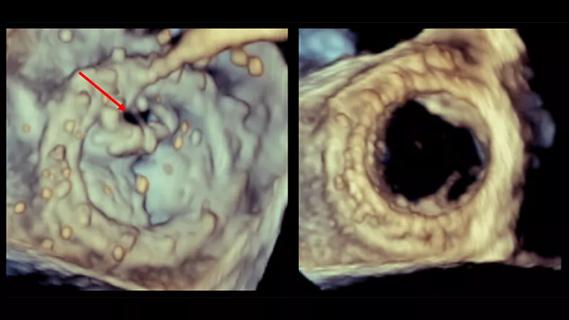
Cleveland Clinic will be offering its long-standing Valve Disease, Structural Interventions and Diastology/Imaging Summit again in early 2021, but this installment of the crowd-pleasing CME course will feature a few pandemic-related changes:
Advertisement
Cleveland Clinic is a non-profit academic medical center. Advertising on our site helps support our mission. We do not endorse non-Cleveland Clinic products or services. Policy
“This is the 23rd year for this unique course, and this time it will be offered in a unique format,” says longtime course director Allan Klein, MD. “But its essentials remain the same as always — we’ll have leading experts from Cleveland Clinic and around the world providing commentary and perspective on timely topics in valve disease, structural interventions and diastology/imaging.”
The daylong course on Friday, Feb. 5, 2021 (7 a.m. to 4:30 p.m. EST), will bring together nearly two dozen Cleveland Clinic staff with another dozen experts from top U.S. and international centers.
Together this multidisciplinary faculty — featuring cardiac imaging specialists, interventional cardiologists, cardiac surgeons, electrophysiologists and other subspecialists — will review and explore the latest in mitral, aortic and tricuspid valve disease as well as the evaluation and management of diastolic dysfunction and key developments in myocardial and pericardial diseases.
The pace will be brisk, with a series of focused 15-minute presentations by Cleveland Clinic experts supplemented by 25-minute panel discussions featuring faculty from other institutions. Talks will cover topics such as advances in structural interventions, percutaneous mitral valve repair, valve-in-valve procedures and LAA occlusion devices, among others.
Participants will benefit from updates on advanced imaging techniques including 3D echocardiography, strain imaging, interventional echo and cardiac MRI/CT. “The new virtual format of this acclaimed summit will expose attendees to innovations in advanced imaging and allow us to share essential practice pearls,” says course co-director Christine Jellis, MD, PhD.
Advertisement
“This is a high-level course with outstanding faculty and world-class discussion panels,” adds course co-director L. Leonardo Rodriguez, MD. “It’s a one-of-a-kind educational opportunity in cardiovascular medicine.”
And its virtual format means more clinicians than ever stand to benefit. “We invite all cardiovascular providers who could never get away for past offerings of this summit to join us for this year’s convenient and complimentary virtual course,” says course co-director Samir Kapadia, MD, Chair of Cardiovascular Medicine at Cleveland Clinic.
For full details on the summit, offered in cooperation with the American Society of Echocardiography, visit ccfcme.org/echo.
This activity has been approved for AMA PRA Category 1 Credit™.
Advertisement
Advertisement
A sampling of outcome and volume data from our Heart & Vascular Institute
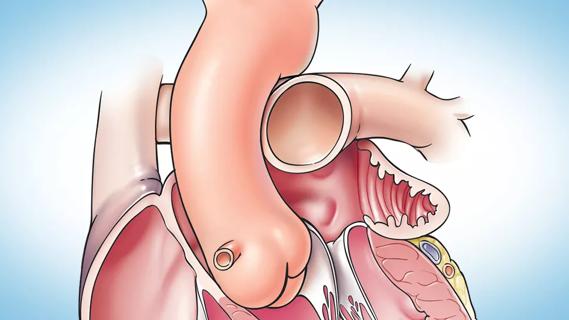
Concomitant AF ablation and LAA occlusion strongly endorsed during elective heart surgery
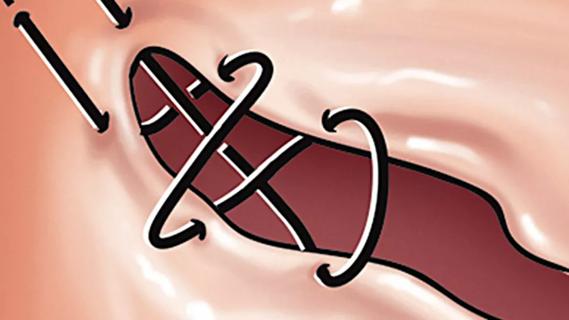
Large retrospective study supports its addition to BAV repair toolbox at expert centers
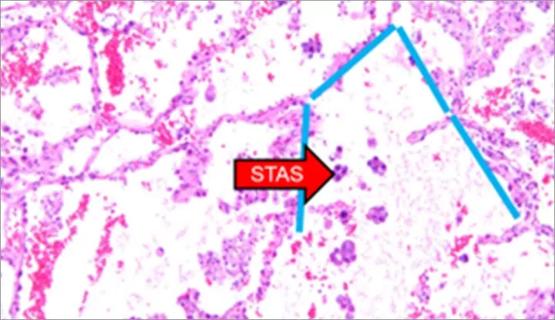
Young age, solid tumor, high uptake on PET and KRAS mutation signal risk, suggest need for lobectomy
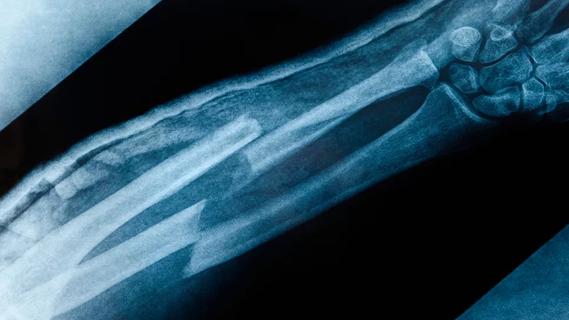
Surprise findings argue for caution about testosterone use in men at risk for fracture
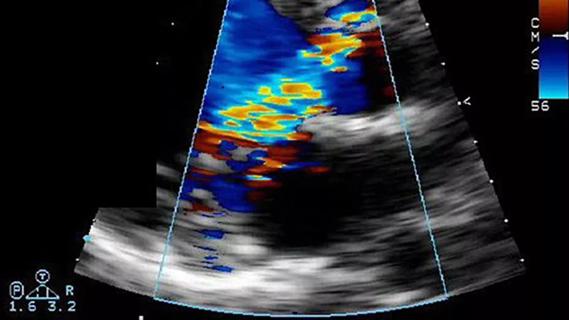
Residual AR related to severe preoperative AR increases risk of progression, need for reoperation
Findings support emphasis on markers of frailty related to, but not dependent on, age
Provides option for patients previously deemed anatomically unsuitable
 Search