Locations:





The benefits of avoiding open thoracotomy
Pulmonary sequestration is a congenital anomaly of the lungs that consists of abnormal lung tissue with blood supply from the descending aorta. The most common symptom is recurrent infections.
Advertisement
Cleveland Clinic is a non-profit academic medical center. Advertising on our site helps support our mission. We do not endorse non-Cleveland Clinic products or services. Policy
Due to repeated infections and difficulty in controlling large blood vessels, surgery is typically performed through thoracotomy. But in this two-minute captioned intraoperative video, Cleveland Clinic thoracic surgeon Usman Ahmad, MD, shares how he partnered with cardiac surgeon Shinya Unai, MD, to remove a sequestration robotically. An intra-aortic balloon was placed to control a very large branch of the descending aorta that supplied the sequestration, allowing for safe control of the vessel robotically.
Despite the complexity of this case, the patient was discharged home four days after surgery and was back to work soon thereafter. If he had undergone open thoracotomy, his recovery would have extended over months.
Video content: This video is available to watch online.
View video online (https://www.youtube.com/embed/yaVe_BD7G1w?feature=oembed)
Advertisement
Advertisement
A sampling of outcome and volume data from our Heart & Vascular Institute
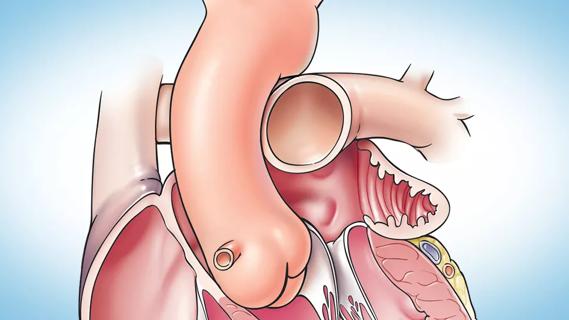
Concomitant AF ablation and LAA occlusion strongly endorsed during elective heart surgery
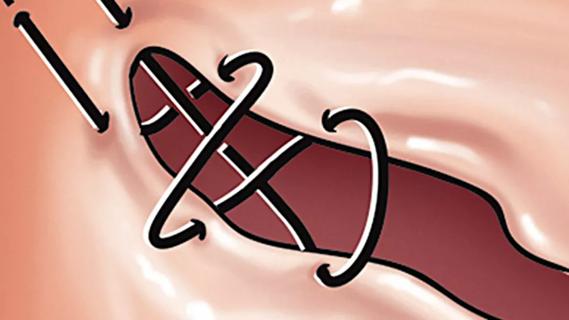
Large retrospective study supports its addition to BAV repair toolbox at expert centers
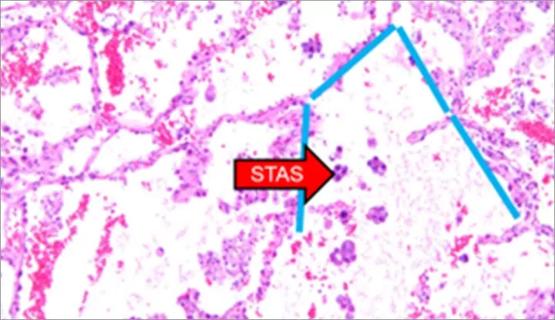
Young age, solid tumor, high uptake on PET and KRAS mutation signal risk, suggest need for lobectomy
Surprise findings argue for caution about testosterone use in men at risk for fracture
Residual AR related to severe preoperative AR increases risk of progression, need for reoperation

Findings support emphasis on markers of frailty related to, but not dependent on, age
Provides option for patients previously deemed anatomically unsuitable
 Search