Locations:





The third pathway for arterial revascularization
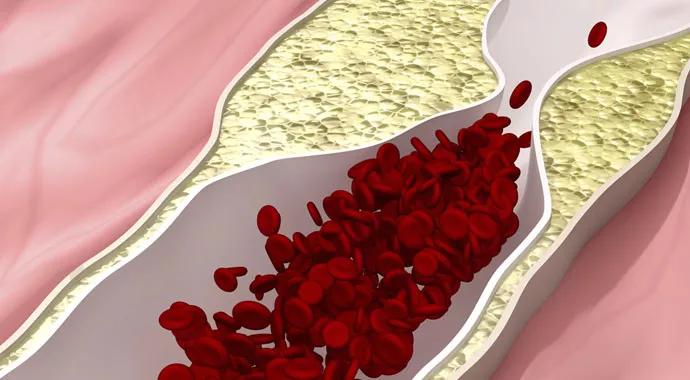
Image content: This image is available to view online.
View image online (https://assets.clevelandclinic.org/transform/cf7a04d9-f846-4b54-8748-4d24e4817260/Endarterectomy-690x380_jpg)
Endarterectomy
As patients with longstanding peripheral vascular disease are living longer, we are seeing patients, who are at the end of the line regarding further bypass operations and endovascular procedures—usually as a result of a lack of bypass conduit and failed interventions. As a result, they are facing limb loss or worse. Many of these patients may benefit from endarterectomy.
Advertisement
Cleveland Clinic is a non-profit academic medical center. Advertising on our site helps support our mission. We do not endorse non-Cleveland Clinic products or services. Policy
There are a finite number of ways to deal with an occluded artery:
Endarterectomy and its modern incarnation, remote endarterectomy (EndoRE), provide an option that is particularly valuable when the first two options have been attempted. Because it does not rely on artificial materials, it is suitable for application in infection.
For example, it is common to see patients who have undergone prior stenting, who return with these stents occluded. If they don’t have available vein, their options can be limited. But with the option of EndoRE, the occlusive plaque and stents can be removed. This restores the patency of the previously occluded artery. The process is completed through one groin incision approximately 4 inches in length.
Another scenario involves the patient who presents with infected graft. The patient developed a groin wound infection several weeks after aortobifemoral bypass done at another institution. The CT scan showed the infection to be localized to the groin. The native external iliac artery (EIA), although occluded, was suitable for reopening via EndoRE. The patient’s graft was explored in the right pelvis adjacent to the occluded EIA and found to be well incorporated. A standard endarterectomy was started in the external iliac artery, and the graft was transected and anastomosed to the external iliac artery, which had been partially reopened. This wound was closed to isolate it from the infected wound.
Advertisement
From the groin wound, the graft segment was pulled out of the pelvis, and the common femoral and external iliac artery plaques were removed by EndoRE. The common femoral artery was then repaired with a vein patch and the artery covered with a transposed sartorius muscle flap.
EndoRE allows for a less invasive revascularization. It is more durable than intervention on TASC D lesions (long-segment occlusions) and has patency rates comparable to those of bypass surgery with prosthetic.
Although endarterectomy is not suitable for all cases or as a primary revascularization option, it remains a useful part of the vascular surgery armamentarium.
Advertisement
Advertisement

A sampling of outcome and volume data from our Heart & Vascular Institute
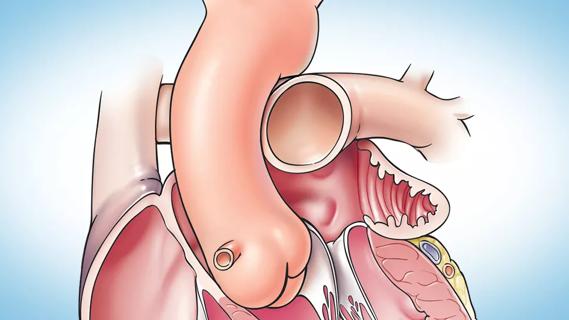
Concomitant AF ablation and LAA occlusion strongly endorsed during elective heart surgery
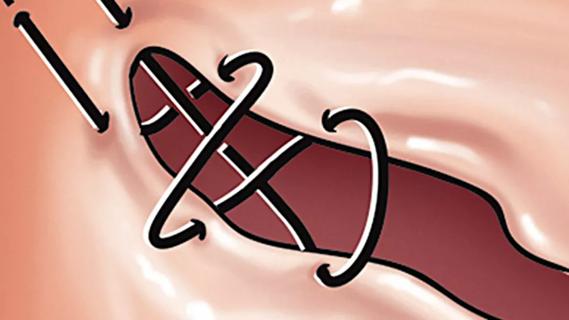
Large retrospective study supports its addition to BAV repair toolbox at expert centers
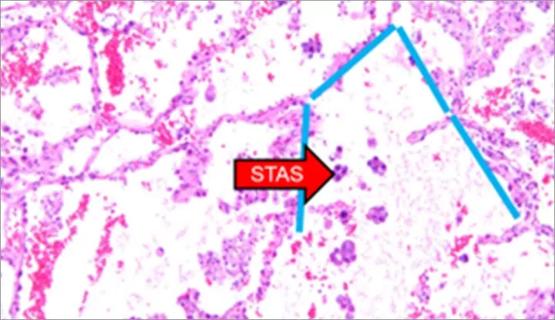
Young age, solid tumor, high uptake on PET and KRAS mutation signal risk, suggest need for lobectomy
Surprise findings argue for caution about testosterone use in men at risk for fracture
Residual AR related to severe preoperative AR increases risk of progression, need for reoperation

Findings support emphasis on markers of frailty related to, but not dependent on, age
Provides option for patients previously deemed anatomically unsuitable
 Search