Locations:





Nurses should emphasize importance of self-care management
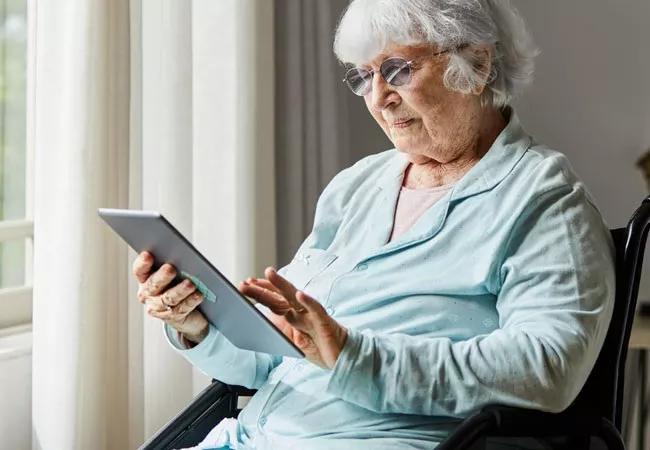
Image content: This image is available to view online.
View image online (https://assets.clevelandclinic.org/transform/d19cc202-b1a6-4ec3-8288-6be2f4b70531/21-NUR-2187791-QualityOfLife-Self-Care-Depression-PatientsHeartFailure-CQD_650x450_jpg)
Heart Failure and Mental Health
Approximately 6.2 million adults in the United States have heart failure, according to the Centers for Disease Control and Prevention. Heart failure self-care maintenance behaviors, including taking medications as prescribed, monitoring symptoms and consuming a low-salt diet, have been recognized as effective strategies for reducing symptoms and progression of the condition and improving quality of life. In addition, depression and anxiety are common in adults with heart failure.
Advertisement
Cleveland Clinic is a non-profit academic medical center. Advertising on our site helps support our mission. We do not endorse non-Cleveland Clinic products or services. Policy
A team of nurses from Cleveland Clinic Avon Hospital led by Marlene Patrick, BSN, RN, CMSRN, assistant nurse manager of a medical-surgical/telemetry unit, conducted a research study aimed at the confluence of these factors. The quantitative, cross-sectional study using survey methods sought to answer two primary questions:
“It’s important for nurses to understand how heart failure self-care maintenance and management behaviors and confidence in completing self-care behaviors are related to quality of life in patients with heart failure,” says Patrick. “Furthermore, it’s important to understand the role of depression and anxiety in the relationship so nurses can better address these constructs in practice.”
Convenience sampling was used, and participants 65 years and older with a diagnosis of heart failure at Cleveland Clinic locations in Northeast Ohio were mailed survey packets. The packets included four self-administered questionnaires: the Kansas City Cardiomyopathy Questionnaire (KCCQ-12), Self-Care of Heart Failure Index (SCHFI), Patient-Reported Outcomes Measurement Information System (PROMIS®) Anxiety short form 4a, and PROMIS Depression short form 4a.
Responses from 84 returned surveys were analyzed by the research team. Among participants, heart failure quality of life scores (KCCQ-12) were positively associated with self-care (SCHFI) confidence in older adults; however, confidence scores decreased with increasing age. About one-half of participants (56%) met criteria to self-assess their self-care management behaviors (that are aimed at reducing symptoms of heart failure). In general, quality of life scores were not associated with self-care maintenance or management behaviors; however, in patients with depression, as quality of life increased, self-care management behaviors decreased.
Advertisement
“Depressed older adults with heart failure who perceived themselves to have a high quality of life may have fewer symptoms to manage, which could account for lower self-care management scores in the setting of depression,” says Patrick. “Alternatively, and similar to other research findings, patients who experience depression may simply be less likely to carry out self-care management behaviors and require an incentive to do so. Nurses need to emphasize the importance of self-care management behaviors and provide practical information on self-care management to patients and families, regardless if they perceive themselves to be feeling well.”
Advertisement
Advertisement

Nurses play key role in comprehensive lifetime treatment program

Customized bots improve speed, efficiency by streamlining daily clinical, clerical tasks

Nurses play pivotal role in patients’ ability to recover in the comfort of their own homes
New protocol reduces costs, increases patient and caregiver satisfaction

Advocating for patient safety is imperative in fast-paced surgical settings

M-Power program improves the perinatal experience for people who have survived abuse

Advice for those pursuing a WOC nursing career

Veteran nurse shares his experience as a caregiver and community volunteer
 Search