Locations:





Equipment, supplies and practices may need adapting
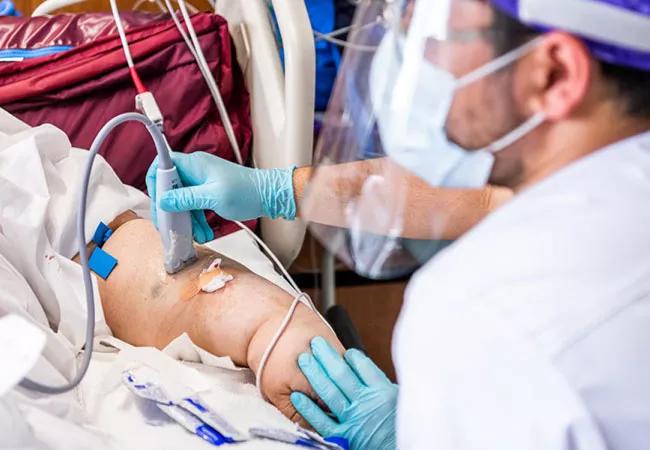
Image content: This image is available to view online.
View image online (https://assets.clevelandclinic.org/transform/b0773456-0531-4a76-a7aa-b5b6dc7edd4b/21-NUR-2459318-BestPractices-safe-handling-bariatric-patients-CQD_650x450_jpg)
caring for patients of size
A few years ago, Nancy Kaser, MSN, APRN, ACNS-BC, NEA-BC viewed a webinar on the increasing number of patients between 450 and 750 pounds. The webinar addressed a host of considerations for caring for patients with obesity, from availability of adequate equipment and safe mobilization to emergency preparedness.
Advertisement
Cleveland Clinic is a non-profit academic medical center. Advertising on our site helps support our mission. We do not endorse non-Cleveland Clinic products or services. Policy
The presentation inspired a closer look at nursing care for patients of size at Cleveland Clinic, says Kaser, a clinical nurse specialist at Lutheran Hospital.
“When we look at providing care for patients who have the disease of extreme obesity, it’s far more encompassing than one might realize at first glance,” she says. And care needs for this patient population are only likely to escalate. The prevalence of adult obesity in the U.S. increased from 30.5% in 1999-2000 to 42.4% in 2017-2018, according to the Centers for Disease Control and Prevention.
Cleveland Clinic has implemented several strategies to help ensure quality care for patients of size. The healthcare system has a Mobility with Safe Patient Handling Committee, which includes a bariatric subcommittee. In September 2021, Kim Kalo, MSN, APRN, AGCNS-BC, OCN, was named Cleveland Clinic’s first Program Manager of Mobility with Safe Patient Handling. Her role is to ensure that early progressive mobility of patients and safe patient handling is part of the culture and that caregivers have the necessary equipment and training to move patients safely and prevent injuries to themselves.
The following questions must be addressed regarding care for patients of size:
Advertisement
Caring for patients of size goes beyond equipment and infrastructure needs. Cleveland Clinic also has patient care guidelines for this population. “The guidelines highlight the more salient points that caregivers may not be familiar with based on the disease of obesity,” says Kaser.
Topics that pertain to nurses include the following:
Kalo and Kaser offer several suggestions to nurses who want to improve care of patients of size. First, they recommend reviewing the American Nurses Association’s Safe Patient Handling and Mobility programs and resources offered by the Association of Safe Patient Handling Professionals. In addition, they encourage nurses to reach out to other healthcare institutions and ask about their protocols and best practices for caring for patients of size.
Advertisement
Internally, caregivers should review equipment, tools and supplies for patients of size to identify any gaps. Kalo also recommends working across disciplines to ensure you’re providing quality care. Partners should include bariatric professionals, patient transport and physical therapy.
Finally, it’s important to be sensitive to patients of size. Cleveland Clinic includes sensitivity training on unconscious bias related to weight in its annual competency training for caregivers.
“As we look at patient-centric care, we don’t have an obese patient. We have a patient who has the disease of obesity, much like a patient who has diabetes or arthritis,” says Kaser.
Ultimately, it’s about providing quality care to all patients. “The same principles apply, regardless of the size of the patients,” says Kaser. “They all deserve world class care.”
Advertisement
Advertisement

Nurses play key role in comprehensive lifetime treatment program
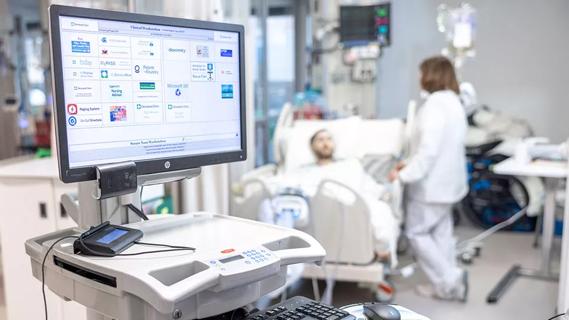
Customized bots improve speed, efficiency by streamlining daily clinical, clerical tasks
Nurses play pivotal role in patients’ ability to recover in the comfort of their own homes
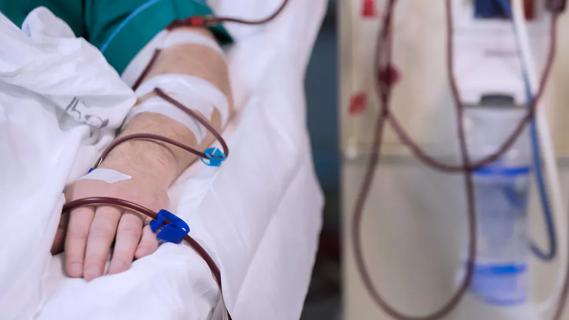
New protocol reduces costs, increases patient and caregiver satisfaction

Advocating for patient safety is imperative in fast-paced surgical settings

M-Power program improves the perinatal experience for people who have survived abuse

Advice for those pursuing a WOC nursing career

Veteran nurse shares his experience as a caregiver and community volunteer
 Search