Locations:





One of the mandates in the Skilled Nursing Unit at Lakewood Hospital states that patients should not have indwelling urinary catheters (IUCs) unless there is a supporting diagnosis. This rule was extended throughout the hospital into all inpatient medical units just a couple years ago.

Image content: This image is available to view online.
View image online (https://assets.clevelandclinic.org/transform/31acbb84-5f6f-4636-ad93-86e313fcb6c8/92399297-690_jpg)
92399297-690
One of the mandates in the Skilled Nursing Unit at Lakewood Hospital states that patients should not have indwelling urinary catheters (IUCs) unless there is a supporting diagnosis. This rule was extended throughout the hospital into all inpatient medical units just a couple years ago.
Advertisement
Cleveland Clinic is a non-profit academic medical center. Advertising on our site helps support our mission. We do not endorse non-Cleveland Clinic products or services. Policy
Patricia Taseff, RN, Nurse Manager of the Skilled Nursing Unit, discussed the problems associated with catheters and infections with William J. Riebel new Vice President of Medical Operations at Lakewood Hospital, an infectious disease physician, and Lisa Rink, BSN, RN, Nursing Quality Manager at the hospital. The three agreed there should also be established best practices for the removal of the IUC.
“We thought it would be a great project to take to frontline staff and ask what the barriers are to getting Foley catheters removed,” says Rink. Two years ago, the Lakewood Hospital Nursing Shared Governance Council began a project to develop an IUC removal protocol. The group started by examining evidence-based research from The Joint Commission and Surgical Care Improvement Project measures on Foley catheter removal. They discussed who receives IUCs and why, then drafted an IUC removal protocol.
The document was reviewed and edited by several hospital groups, including the Infection Control Committee, Nursing Operations Council, the Chief Nursing Officer and the Medical Executive Committee. “Because this is a nurse-driven protocol, it is very important that the physicians approve it,” says Taseff. “They are not going to be called about all Foley removals, so nurses need to look at the protocol like an algorithm and make decisions on a patient-by-patient basis.”
The IUC removal protocol, which received final approval from the Shared Governance Council in February, includes patient assessment information, indwelling urinary catheter criteria and the standard of care following removal of an IUC. It provides detailed guidance on what Foley catheters nurses can remove using their clinical judgment and which ones they need to collaborate on with physicians.
The protocol was rolled out hospital-wide. Nurses are now educated via the hospital’s nursing newsletter, during mini-huddles and through internal communications from Mary Sauer, MBA, BSN, RN, Lakewood’s Chief Nursing Officer. The protocol is also be posted electronically and sent to all medical staff.
Advertisement
“The protocol gives nurses the ability to use critical thinking and tie in everything they’ve learned in school – along with their experience – to promote the best patient care,” says Rink.
Advertisement
Advertisement

Nurses play key role in comprehensive lifetime treatment program
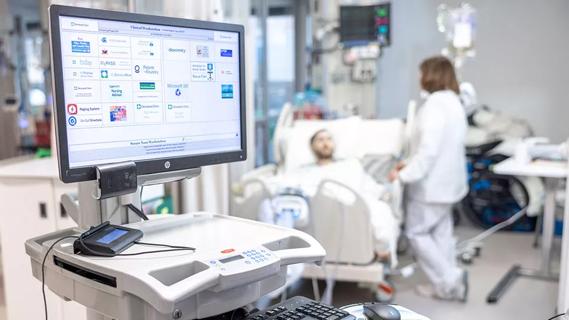
Customized bots improve speed, efficiency by streamlining daily clinical, clerical tasks
Nurses play pivotal role in patients’ ability to recover in the comfort of their own homes
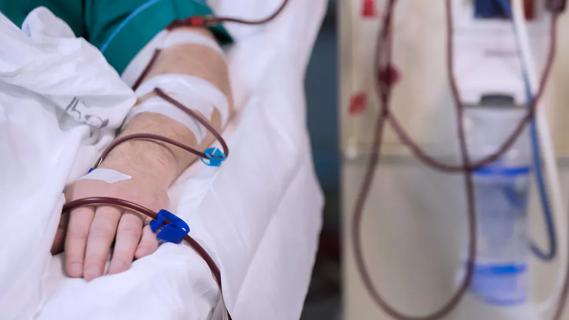
New protocol reduces costs, increases patient and caregiver satisfaction

Advocating for patient safety is imperative in fast-paced surgical settings

M-Power program improves the perinatal experience for people who have survived abuse

Advice for those pursuing a WOC nursing career
Veteran nurse shares his experience as a caregiver and community volunteer
 Search