Locations:





New pilot program aims to remake the management model
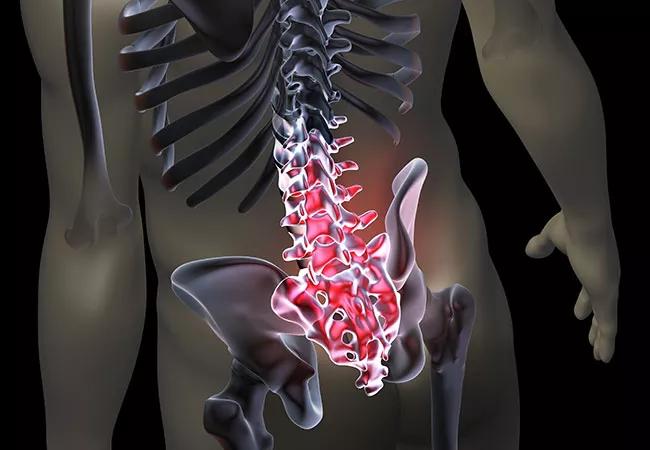
Image content: This image is available to view online.
View image online (https://assets.clevelandclinic.org/transform/804986e4-f954-4e0e-8d22-19557d58e554/Lower-back-spine-4-jpeg_jpg)
Prioritizing Function Over Pills and Procedures for Chronic Low Back Pain
Value-based care and the opioid epidemic don’t usually come up in the same sentence, but they have at least one thing in common: Both were high on the list of 2016’s healthcare headlines.
Advertisement
Cleveland Clinic is a non-profit academic medical center. Advertising on our site helps support our mission. We do not endorse non-Cleveland Clinic products or services. Policy
Over the past year, Cleveland Clinic’s Neurological Institute has given these issues another point of intersection with a bold new initiative to promote value-based care for patients with chronic pain while also preventing inappropriate opioid use.
The initiative, launched in August 2016 and detailed in an earlier post, is a population health pilot program to treat more than 1,000 patients with chronic low back and leg pain by prioritizing functional outcomes over opioid- or procedure-based care. If successful, the model can be applied to other chronic pain conditions and perhaps replicated at other institutions.
Eligible patients are those with low back or leg pain for more than three months. All patients undergo combined physical and behavioral pain rehabilitation as the first line of care, specifically:
The aim is to promote pain rehabilitation by managing the sensory, cognitive and affective domains of pain. The key outcome metric is restoration of function. “It’s about delivering real value to patients, with a meaningful transformation of their lives, rather than hoping for a quick fix,” says Neurological Institute Chair Andre Machado, MD, PhD.
Spine medicine physicians and spine surgeons are available throughout patients’ longitudinal care. They manage medications, order tests and provide surgical evaluations when appropriate.
Advertisement
“Patients will not be denied surgery, procedures or pain medications if the diagnosis calls for such,” explains spine neurosurgeon Edward Benzel, MD, founder of Cleveland Clinic’s Center for Spine Health. “We emphasize that surgery is deemed appropriate only after all other relevant and safer treatment strategies have been considered or tried.”
The program is expected to achieve its primary goal of helping patients recover function and become active again while also achieving:
The program is highly interdisciplinary, with leadership from the Neurological Institute’s Center for Spine Health, Department of Physical Medicine and Rehabilitation, Center for Neurological Restoration and Center for Behavioral Health.
“The literature supports a collaborative approach to these patients,” says Mary Stilphen, PT, DPT, Senior Director of Rehabilitation and Sports Therapy. “Single approaches, utilized in isolation, are often unsuccessful.”
“Pain is a multifaceted experience that demands interdisciplinary collaboration,” adds Sara Davin, PsyD, MPH. “This program differs from others in its interdisciplinary approach to care. Team members from multiple disciplines come together for an end result that’s greater than the sum of its parts.”
“This project is made possible by the Neurological Institute’s distinctive organizational structure, which breaks down departmental barriers to promote collaboration across subspecialties,” notes Dr. Machado. “Pulling this off in a traditional model would be difficult.”
Advertisement
Advertisement

New study advances understanding of patient-defined goals

Testing options and therapies are expanding for this poorly understood sleep disorder
Real-world claims data and tissue culture studies set the stage for randomized clinical testing
Digital subtraction angiography remains central to assessment of ‘benign’ PMSAH

Cleveland Clinic neuromuscular specialist shares insights on AI in his field and beyond

Findings challenge dogma that microglia are exclusively destructive regardless of location in brain

Neurology is especially well positioned for opportunities to enhance clinical care and medical training
New review distills insights from studies over the past decade
 Search