Locations:





Pain management and headache specialists team up

Image content: This image is available to view online.
View image online (https://assets.clevelandclinic.org/transform/88e64723-3a67-401d-9874-3a50a634894d/Headache-690x380_jpg)
Headache-690×380
Cleveland Clinic’s Department of Pain Management includes several specialists with expertise in headache and facial pain. They can assist the referring physician with diagnosis and formulation of a treatment plan. Cleveland Clinic collaborates to provide a multidisciplinary approach and treats a wide variety of painful conditions, such as refractory migraine, cluster headache, cervicogenic headache, trigeminal neuralgia, occipital neuralgia, medication overuse headache and post-dural puncture headache.
Advertisement
Cleveland Clinic is a non-profit academic medical center. Advertising on our site helps support our mission. We do not endorse non-Cleveland Clinic products or services. Policy
“We provide a number of percutaneous interventions to give patients long-term relief from headache pain they may have suffered with for years,” says Benjamin Abraham, MD, a member of the Department of Pain Management.
Those interventions can include:
Depending on the source and type of headache, the patient may benefit from blockade of the cervical medial branches, atlanto-axial (C1-2 nerves), sphenopalatine ganglion (SPG) or occipital nerves. These procedures can alleviate headaches for six months or more in many cases.
Some patients may be candidates for radiofrequency ablation (RFA) of the nerves causing the headache. Pain relief in response to diagnostic nerve blockade often predicts long-term success when RFA is used, or helps to identify good candidates for nerve stimulator placement.
Dr. Abraham and his colleagues work closely with the neurologists in the Headache and Facial Pain Clinic. Stewart Tepper, MD is one of the nation’s most respected headache specialists. “There’s a lot of consultation and collaboration between the neurologists in our headache clinic and the Department of Pain Management,” he says. While Dr. Tepper and his colleagues provide evaluation, diagnostic and medical management services for headache patients, they often refer patients to Dr. Abraham for interventional procedures, or for diagnostic support in especially challenging cases.
Advertisement
One example: the continuous, unilateral headache can sometimes be a sign of cervicogenic headache, according to Dr. Tepper. “The best way to diagnose cervicogenic headache is to perform a blockade of the C1-2 nerves,” he says. “So I may refer a patient with unilateral headache for a diagnostic block of these nerves. If the headache is immediately stopped, but then returns when the local anesthetic wears off in a predictable, repeatable pattern, we can then confidently diagnose cervicogenic headache and manage it accordingly.”
This type of close cooperation between headache specialists and pain specialists is not possible at many institutions. “We’re fortunate to have the Headache and Facial Pain Clinic,” says Dr. Abraham. “Many hospitals don’t have a department solely dedicated to headache medicine, so oftentimes headache patients are seen by their family doctor or general neurologist alone. Having board-certified headache specialists can make a big difference for patients by allowing for more comprehensive and specialized care. Dr. Tepper and his colleagues see headache patients exclusively.”
Dr. Tepper likewise notes that many pain medicine physicians do not provide the headache interventions that the Department of Pain Management does, because of the technical expertise and advanced training required. “Beyond that,” he adds, “headache patients who are not candidates for medication changes, nerve blockade, neurostimulation, or other interventions, there is a smorgasbord of other options at Cleveland Clinic.” These options include:
Advertisement
“We refer patients and solicit opinions across these various areas all the time,” says Dr. Tepper. “There is a lot of cross-fertilization.”
This wide variety of available treatment options is something Dr. Abraham hopes physicians become more aware of. “Not all referring doctors are familiar with the many interventional approaches that can be effective for headache,” he says. “Patients with chronic headache can benefit from many options that might not be available in their local community.”
Advertisement
Advertisement

Two-hour training helps patients expand skills that return a sense of control

Program enhances cooperation between traditional and non-pharmacologic care

National Institutes of Health grant supports Cleveland Clinic study of first mechanism-guided therapy for CRPS
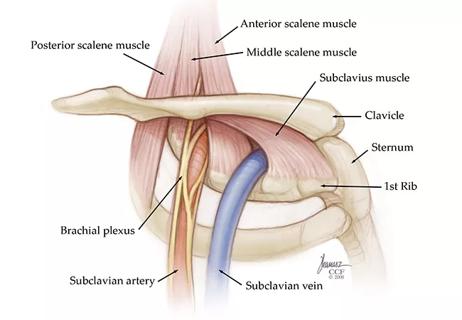
Pain specialists can play a role in identifying surgical candidates
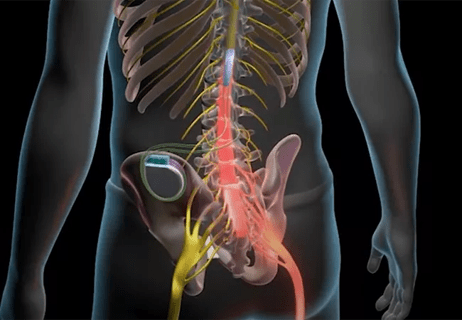
Individual needs should be matched to technological features
New technologies and tools offer hope for fuller understanding
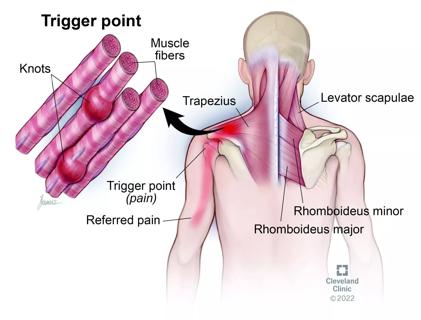
Pathophysiology, diagnosis, treatment and a COVID-19 connection

Clinical judgment is foundational to appropriately prescribing
 Search