Locations:





What we've contributed, gained and learned through the partnership
In late May, U.S. Surgeon General Jerome Adams, MD, attended a meeting of the Northeast Ohio Hospital Opioid Consortium to learn what member partners are doing to combat the opioid crisis. With more than 47,000 Americans dying from overdoses involving opioids in 2017 — and 36% of those involving prescription opioids — Dr. Adams has made it a priority to curtail the epidemic. So too have partners of the consortium, including Cleveland Clinic.
Advertisement
Cleveland Clinic is a non-profit academic medical center. Advertising on our site helps support our mission. We do not endorse non-Cleveland Clinic products or services. Policy
“Everyone in healthcare has a role to play in turning the tide of the opiate addiction epidemic,” says psychiatrist David Streem, MD, Section Head of the Alcohol and Drug Recovery Center in Cleveland Clinic’s Department of Psychiatry and Psychology. “Since there are people all over the world working to perpetuate our community’s abuse of opiates, we must work together with law enforcement, public leaders and organizational leadership to counter those efforts.”
A prime example of organizations working together, the Northeast Ohio Hospital Opioid Consortium is a hospital system-based, physician-led consortium that shares and implements best practices, promotes policy changes and increases prevention efforts. In addition to Cleveland Clinic, member partners include the MetroHealth System (the public health system for the county that includes Cleveland), the Northeast Ohio VA Healthcare System, St. Vincent’s Charity Medical Center and University Hospitals.
“We are fortunate to have so many top medical organizations in one area, each contributing to the opioid consortium by providing the pieces of the puzzle they are best suited to provide,” says Dr. Streem.
One of Cleveland Clinic’s strengths is expertise in complicated narcotic withdrawal management cases.
For example, it has created an endocarditis care bundle that addresses the risk of chemical dependency for postsurgical patients who developed the infection through contaminated needles used while injecting illegal drugs. After surgery, patients often require weeks of IV antibiotic therapy, which can be problematic for IV drug users. Cleveland Clinic has developed a workflow to facilitate treatment, which includes chemical dependency counseling and discharge planning offered by Dr. Streem. Hospital leaders shared details of the endocarditis care bundle with the U.S. Surgeon General during his visit.
Advertisement
Cleveland Clinic also contributes to the consortium through its sheer size. “We are the largest and most regionally distributed medical organization in Northeast Ohio,” notes Dr. Streem. “We can often leverage technology and our system’s resources to track opiate-seeking patients and get people connected with an addiction treatment program.”
Despite its network of resources, Cleveland Clinic can’t tackle the opioid crisis alone. “Information sharing is a critical part of the solution to the opiate epidemic,” says Dr. Streem. “The more pathways and procedures that can be created to facilitate information sharing, the more those systems are able to control demand for opiates and their flow into the community.”
Member partners in the opioid consortium share best practices related to the electronic medical record (EMR). For example, MetroHealth’s EMR system includes an alert so that when a patient receives a prescription for an opiate, physicians are queried if they want to also prescribe naloxone. Cleveland Clinic plans to adopt a similar alert. In addition, the consortium rolled out an addiction awareness program to educate nurses throughout Northeast Ohio and offers training on buprenorphine medication-assisted treatment.
Dr. Streem offers the following advice to healthcare providers trying to curb the opioid crisis:
Advertisement
“Whether we admit it to ourselves or not, much of the healthcare system played some role in the development of this crisis,” he concludes. “Now we need to be part of the solution.”
Advertisement
Advertisement

New study advances understanding of patient-defined goals
Testing options and therapies are expanding for this poorly understood sleep disorder
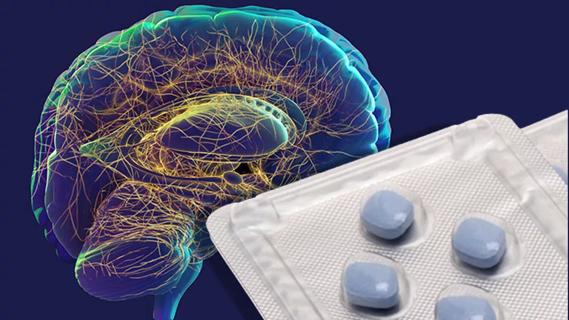
Real-world claims data and tissue culture studies set the stage for randomized clinical testing
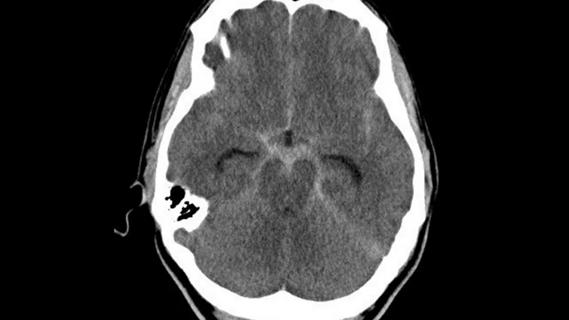
Digital subtraction angiography remains central to assessment of ‘benign’ PMSAH

Cleveland Clinic neuromuscular specialist shares insights on AI in his field and beyond
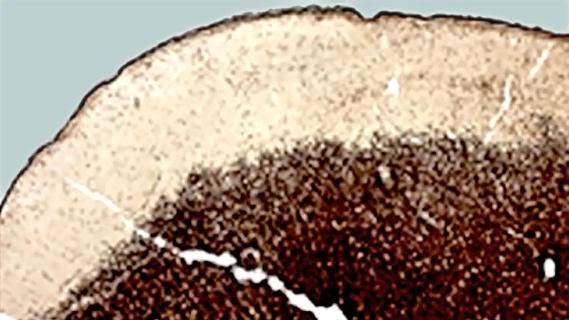
Findings challenge dogma that microglia are exclusively destructive regardless of location in brain

Neurology is especially well positioned for opportunities to enhance clinical care and medical training

New review distills insights from studies over the past decade
 Search