Locations:





Northwell Health joins with Cleveland Clinic for CME event in NYC
Image content: This image is available to view online.
View image online (https://assets.clevelandclinic.org/transform/f2a86a5c-b46d-4cd5-ab61-1fcc77a7b981/16-HRT-2059-Northwell-CQD-650x450_jpg)
Cardiac NYC 16
Nineteen expert faculty from two major health systems across nine hours in one city.
Advertisement
Cleveland Clinic is a non-profit academic medical center. Advertising on our site helps support our mission. We do not endorse non-Cleveland Clinic products or services. Policy
That’s what’s in store for cardiovascular and primary care providers who attend the powerhouse CME event, “Current Management of Prevalent Cardiovascular Diseases,” on Friday, Oct. 7, 2016, at Time Warner Center in New York City.
The daylong course is designed to keep busy clinicians up to date on the latest treatments, technologies, clinical trials and practice guidelines relevant to common but potentially vexing conditions, including (among others):
As a course offered in co-providership by Great Neck (N.Y.)-based Northwell Health and Cleveland Clinic, the program draws on medical, surgical and interventional experts from both institutions, including the Hofstra Northwell School of Medicine.
The course’s 19 faculty members will offer a mix of short, focused lectures, Q&A exchanges and case discussions to address practical and pressing clinical questions in four broad sessions:
Advertisement
Where relevant, faculty will help prepare attendees to analyze internal and external quality metrics and performance data from the National Cardiovascular Data Registry, the New York State Department of Health and other agencies to determine which therapies yield the greatest success in real-world practice.
“Cardiovascular practice is rapidly evolving along many fronts,” says course co-director Lars Svensson, MD, PhD, Chairman of Cleveland Clinic’s Sydell and Arnold Miller Family Heart & Vascular Institute. “We designed this course as a way for busy cardiologists to get key updates from world experts in a single day. We trust this will be an efficient forum to both learn about the latest developments and have opportunities to ask the speakers about areas of uncertainty.”
“We look forward to providing participants with a comprehensive look at therapeutic advancements, including recent clinical trials and research initiatives that will change the way practitioners deliver cardiovascular care,” adds fellow course co-director Rajiv Jauhar, MD, Chief of Cardiology at North Shore University Hospital in New York.
For more information or to register, click here.
This activity has been approved for AMA PRA Category 1 Credit™.
Advertisement
Advertisement
A sampling of outcome and volume data from our Heart & Vascular Institute
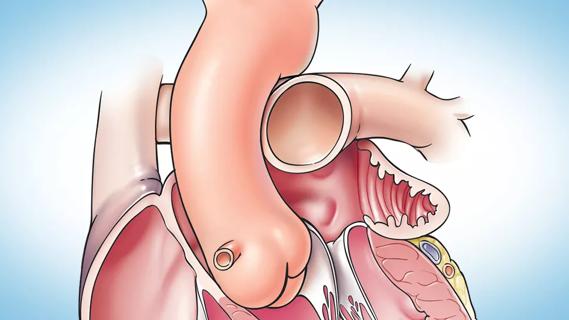
Concomitant AF ablation and LAA occlusion strongly endorsed during elective heart surgery
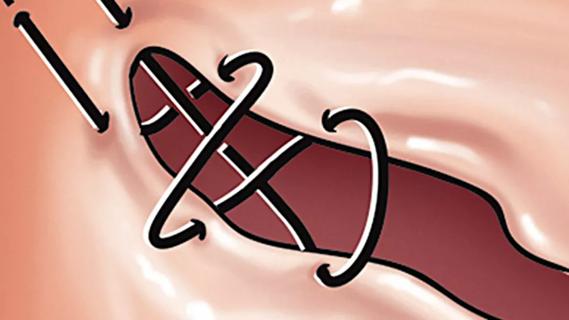
Large retrospective study supports its addition to BAV repair toolbox at expert centers
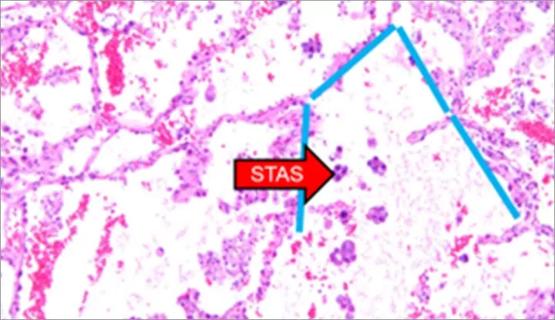
Young age, solid tumor, high uptake on PET and KRAS mutation signal risk, suggest need for lobectomy
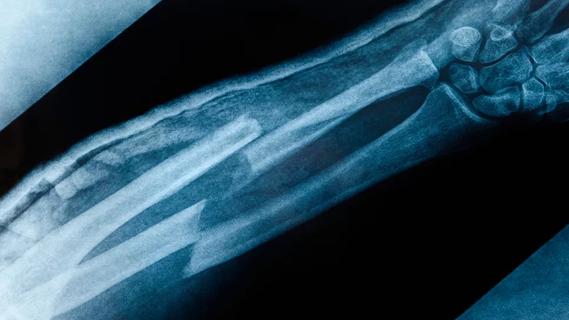
Surprise findings argue for caution about testosterone use in men at risk for fracture
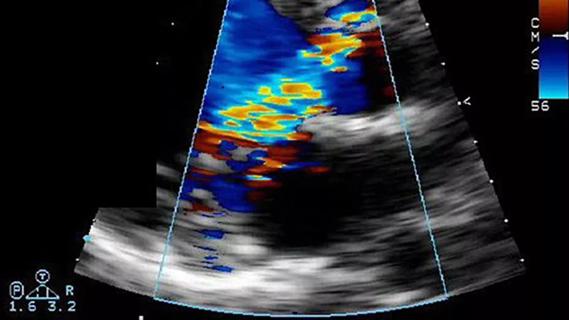
Residual AR related to severe preoperative AR increases risk of progression, need for reoperation
Findings support emphasis on markers of frailty related to, but not dependent on, age
Provides option for patients previously deemed anatomically unsuitable
 Search