Locations:





Outside interest mounts, new algorithm promises scalability
Fewer than one in four patients survives an in-hospital cardiac arrest, according to statistics from the American Heart Association. Thanks to an off-site central monitoring unit (CMU) providing 24/7 cardiac telemetry monitoring for non-critically ill patients (detailed here), Cleveland Clinic has achieved a remarkable 93 percent survival rate among patients with in-hospital cardiac arrest when the CMU provided direct notification to on-site emergency response teams.
Advertisement
Cleveland Clinic is a non-profit academic medical center. Advertising on our site helps support our mission. We do not endorse non-Cleveland Clinic products or services. Policy
That accomplishment was outlined in a study published in JAMA last summer and was recognized by Cleveland Clinic CEO and President Toby Cosgrove, MD, as a top “Innovation for Future Care Delivery” at his recent State of the Clinic 2016 address via the one-minute video below.
Cardiologist Daniel Cantillon, MD, who serves as Medical Director of the CMU, says he’s been bombarded with inquiries from physicians across the country since his team published its JAMA paper. “They want to learn more about what we’re doing,” he says.
“We’ve only scratched the surface of how to advance care in the area of monitoring,” he adds, noting that the CMU is implementing a new telemetry module powered by a dynamic algorithm his team created that will allow monitoring of twice as many patients with the same number of CMU technicians. “That will allow the scalability needed to extend the benefits of this service to the entire Cleveland Clinic health system.”
Dr. Cantillon believes this distance health approach represents a new paradigm for cardiac telemetry monitoring. “By centralizing our system, standardizing our practices and freeing our technicians from the distractions of normal hospital activities, we’ve been able to make a lot of important gains,” he says.
Video content: This video is available to watch online.
View video online (https://www.youtube.com/embed/PXusR0vqruc?feature=oembed)
Advertisement
Advertisement

A sampling of outcome and volume data from our Heart & Vascular Institute
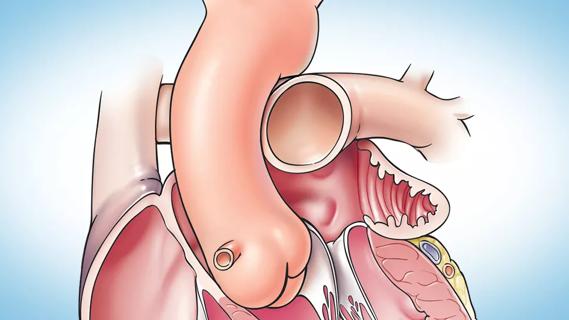
Concomitant AF ablation and LAA occlusion strongly endorsed during elective heart surgery
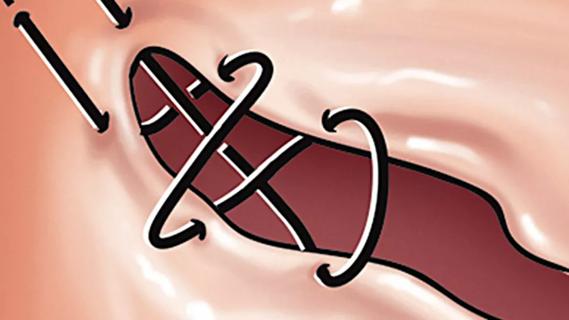
Large retrospective study supports its addition to BAV repair toolbox at expert centers
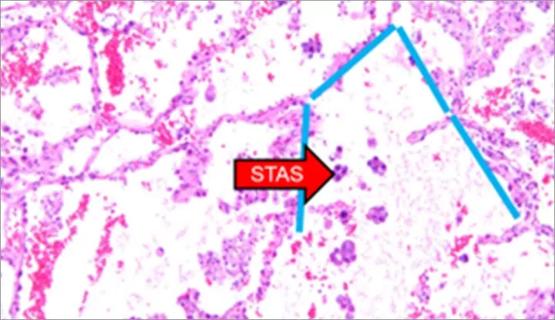
Young age, solid tumor, high uptake on PET and KRAS mutation signal risk, suggest need for lobectomy
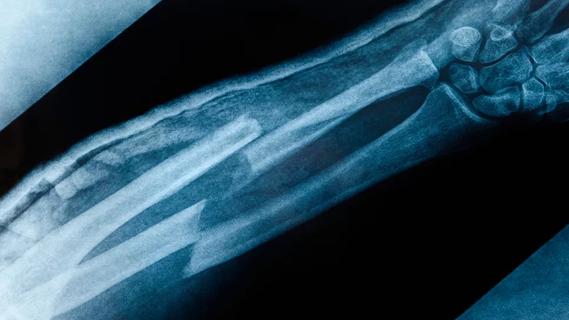
Surprise findings argue for caution about testosterone use in men at risk for fracture
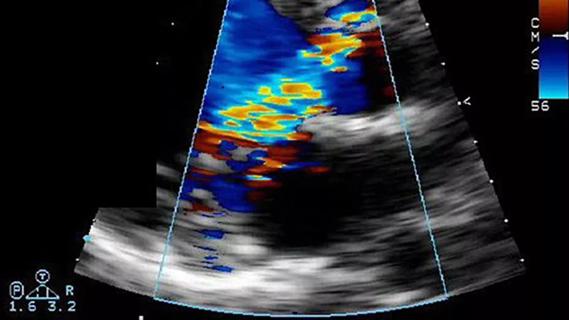
Residual AR related to severe preoperative AR increases risk of progression, need for reoperation

Findings support emphasis on markers of frailty related to, but not dependent on, age
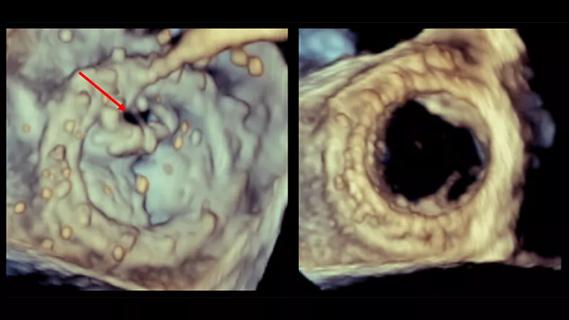
Provides option for patients previously deemed anatomically unsuitable
 Search