Locations:





An expert’s take on the biologic’s points of distinction
The FDA’s March 28 approval of ocrelizumab (Ocrevus™) marked the first time a therapy has been cleared by the agency for treatment of primary progressive multiple sclerosis (MS). The humanized monoclonal antibody given by IV infusion was also approved for treatment of relapsing forms of MS.
Advertisement
Cleveland Clinic is a non-profit academic medical center. Advertising on our site helps support our mission. We do not endorse non-Cleveland Clinic products or services. Policy
Amid the buzz surrounding this milestone approval, straightforward expert perspective on what distinguishes ocrelizumab is welcome. That’s precisely what Robert Bermel, MD, of Cleveland Clinic’s Mellen Center for Multiple Sclerosis and Research delivers in this five-minute video reviewing the agent’s mechanism of action, what makes it unique among MS therapies to date, and exactly what it achieved in pivotal trials for both relapsing and primary progressive MS. (A longer version of the video for patient education purposes is available here.)
Video content: This video is available to watch online.
View video online (https://www.youtube.com/embed/7ObnkCuU7xo?feature=oembed)
Ocrevus is a medication that we would consider a second-generation type of medication. It grew out of the use of an initial medication called rituximab or Rituxan®. There was an initial small trial… showing success in relapsing, remitting MS, and out of that grew the theory that B cells were actually quite important to the MS disease process… Ocrevus was studied in three trials total that were pivotal trials that led to its FDA approval to large-scaled trials in relapsing, remitting MS, and all three trials showed the medication to be effective, safe and generally really well tolerated…
It’s a humanized monoclonal antibody… that binds to a unique protein on the surface of… B cells… What happens is when the drug binds to the cells it depletes or causes the death of those B cells, and B-cell depletion happens rapidly, and it lasts for six to 12 months after a dose of the medication.
Advertisement
Advertisement

New study advances understanding of patient-defined goals

Testing options and therapies are expanding for this poorly understood sleep disorder
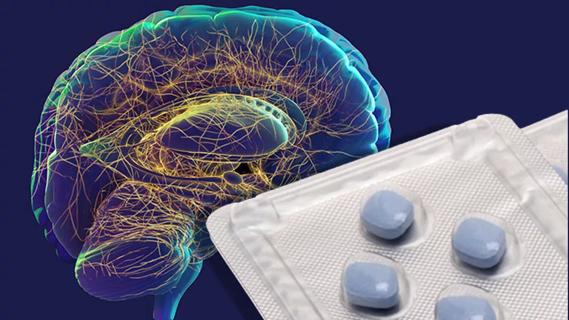
Real-world claims data and tissue culture studies set the stage for randomized clinical testing
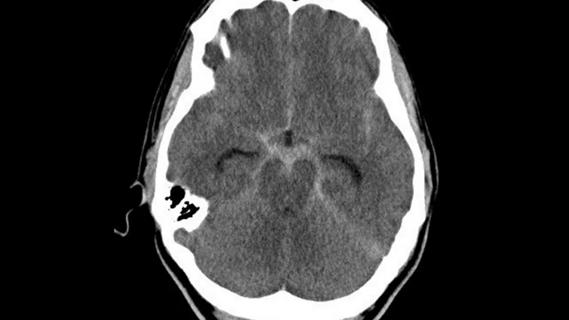
Digital subtraction angiography remains central to assessment of ‘benign’ PMSAH

Cleveland Clinic neuromuscular specialist shares insights on AI in his field and beyond
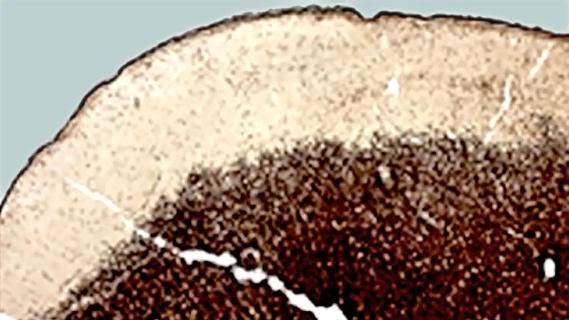
Findings challenge dogma that microglia are exclusively destructive regardless of location in brain

Neurology is especially well positioned for opportunities to enhance clinical care and medical training

New review distills insights from studies over the past decade
 Search