Locations:





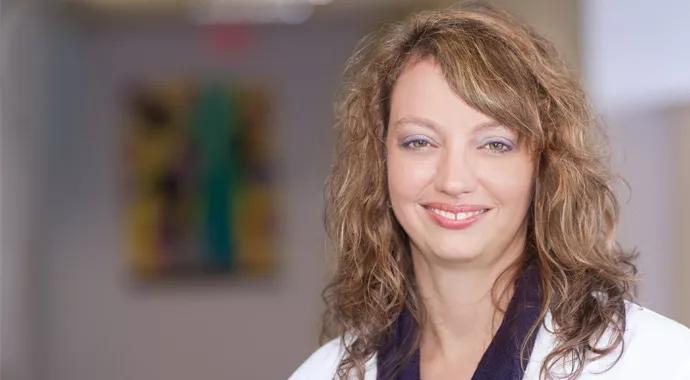
Image content: This image is available to view online.
View image online (https://assets.clevelandclinic.org/transform/442129a0-9942-4041-b271-7b66bc11eaae/pehotsky-690x380_jpg)
pehotsky-690×380
While Carol Pehotsky, MSN, RN, CPAN, ACNS-BC, loves her work as the assistant director of perioperative nursing at Cleveland Clinic, she relishes the opportunity to “get out of Dodge” and attend conferences. “The first time I went to a conference I was a clinical nurse,” says Pehotsky. “It opened my eyes to some things we could do differently, but it also made me really appreciative of the direction our nurse leaders have for providing the best patient care.”
Advertisement
Cleveland Clinic is a non-profit academic medical center. Advertising on our site helps support our mission. We do not endorse non-Cleveland Clinic products or services. Policy
Cleveland Clinic encourages nurses to participate in conferences at the local, regional and national level. “Conferences help with professional development and networking,” says Janie Burke, MBA, BSN, RN, CPN, NE-BC, clinical nursing director at Cleveland Clinic Children’s Hospital. “They also open the doors to lots of opportunities for idea sharing and information gathering.”
Nurses at Cleveland Clinic get involved in conferences on multiple levels by attending conventions, presenting at events and even hosting conferences:
Advertisement
Cleveland Clinic supports involvement in conferences in many ways: It offers scholarships and other financial funding. The Center for Medical Art and Photography assists nurses with posters, PowerPoint presentations and other visuals necessary for conferences. But the biggest support is arguably the one-on-one mentoring that experienced nurses offer our novices.
Pehotsky has helped several nurses with poster and podium presentations. During a surgical leadership meeting, she heard about a project a bedside nurse was working on to improve pediatric skin care. Pehotsky met with the nurse several times to further her research. When the results were in, Pehotsky persuaded the nurse to create a poster presentation of her findings. The two met several more times to create the content and ensure it was vetted. The nurse’s poster was accepted at the Association of Perioperative Nurses’ 2014 Surgical Conference & Expo.
While nurses are the ones attending, presenting at and hosting conferences, it’s really the patients who come out on top. “Patients benefit not only from the ideas we bring back and changes we implement,” says Burke, “but also from having engaged, caring nurses.”
Advertisement
Advertisement
Nurses play key role in comprehensive lifetime treatment program
Customized bots improve speed, efficiency by streamlining daily clinical, clerical tasks
Nurses play pivotal role in patients’ ability to recover in the comfort of their own homes
New protocol reduces costs, increases patient and caregiver satisfaction

Advocating for patient safety is imperative in fast-paced surgical settings
M-Power program improves the perinatal experience for people who have survived abuse

Advice for those pursuing a WOC nursing career

Veteran nurse shares his experience as a caregiver and community volunteer
 Search