Locations:





Aromatherapy initiative promotes a healing environment
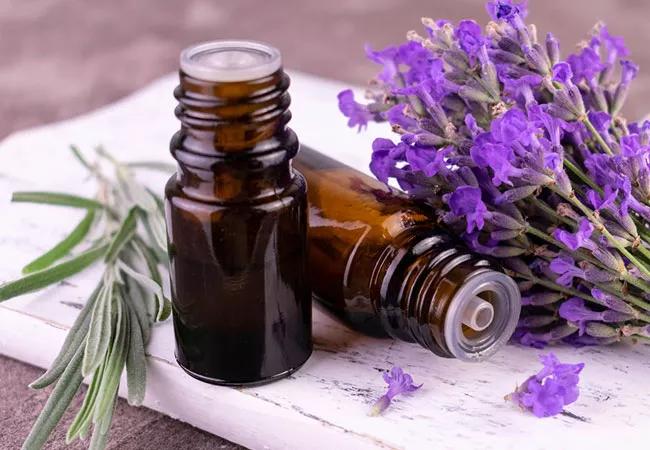
Image content: This image is available to view online.
View image online (https://assets.clevelandclinic.org/transform/623d0800-9991-4604-b851-4cc559c76c71/23-NUR-4078933-Rollout-Aromatherapy-Use-Nurses_650x450_jpg)
23-NUR-4078933-Rollout-Aromatherapy-Use-Nurses_650x450
When a young woman at Hillcrest Hospital underwent extensive surgery that required an ostomy, she struggled with poor body image and anxiety while recovering in the hospital. Rose Hosler, BSN, RN, HNB-BC, HWNC-BC, CCAP, healing services coordinator, offered the patient aromatherapy, and she opted for a lavender and chai blend of the essential oils. A week later the patient told Hosler that smelling the blend whenever she felt anxious helped her feel better emotionally.
Advertisement
Cleveland Clinic is a non-profit academic medical center. Advertising on our site helps support our mission. We do not endorse non-Cleveland Clinic products or services. Policy
The patient is one of many who have used aromatherapy at Hillcrest Hospital since it was rolled out as a nurse-driven initiative in 2022. Hosler and Angela Hamm, BSN, RN, HNB-BC, HWNC-BC, CCAP, healing services coordinator at main campus, developed a process and standard operating procedures for aromatherapy applications that have been approved for use in most of the Ohio hospitals in the Cleveland Clinic health system.
“Aromatherapy is an important option in providing holistic care and an integral piece of the non-pharmacological toolkit for patient care,” says Hamm. “It offers support for physical, emotional and psychological well-being.”
Holistic nurses at Cleveland Clinic have offered aromatherapy to patients and caregivers for more than a decade through the Spiritual Care Department. It’s one component of the Code Lavender initiative that provides a holistic rapid response to emotionally stressful events for patients, families and healthcare providers.
“As time went on, we realized it couldn’t just be holistic nurses offering aromatherapy,” says Hosler. “It was such a patient and caregiver satisfier that we needed to look at quality and safety and develop an SOP.”
In 2019, Hosler and Hamm began developing an enterprise-wide aromatherapy program for use by all nurses. They conferred with colleagues in nursing, spiritual care, pharmacy, legal, finance and supply chain, as well as the company that provides the essential oils, to create the program, SOP and education module to guide aromatherapy usage.
Advertisement
Cleveland Clinic’s Board of Directors and the Nursing Institute Council approved the Adult and Pediatric Inpatient/Outpatient Aromatherapy Applications SOP in October 2020. Since then, 10 other hospitals in the health system have approved and adopted the program, with several others set to do so this year.
“We are providing support and assistance with the process for each hospital,” says Hamm.
The overarching goal of the program is to maintain a non-pharmacologic modality that nurses can offer without an order.
Adult inpatient units carry four aromas for patient use: lavender, lavender/ginger, a chai blend and peppermint/ginger. Pediatric units are stocked with lavender, spearmint and citrus. Each aroma comes as a lotion or in a small, sealed container with a cotton wick saturated with the essential oil. Patients keep the lotion and containers at their bedside to use whenever they choose.
If a patient opts for aromatherapy, the clinical nurse assesses for comfort and a healing environment prior to administration. The patient assessment includes:
Clinical nurses also educate the patient and families about aromatherapy and how to use the lotion or container with essential oils. They document aromatherapy usage as an intervention/comfort measure in the electronic medical record under the pain section on the vital sign flow sheet.
Advertisement
Various tools are available to educate clinical nurses about aromatherapy and the SOP, including in-services conducted by Hamm and Hosler, P4 Points on Practice, Policy and Procedure handouts and a learning module on Cleveland Clinic’s MyLearning intranet.
Hamm and Hosler plan to examine data to see how often aromatherapy is used in both the inpatient and outpatient setting. While they haven’t studied the data yet, anecdotal evidence suggests that aromatherapy supports the patient experience.
Hosler recalls a patient in his 60s agreeing to try aromatherapy and asking for peppermint before she even read the lists of options. “When he was young, he and his sister used to play in a field of peppermint plants,” says Hosler. “He closed his eyes, smelled the peppermint/ginger blend for several minutes and smiled. He said, ‘This just takes me back. I feel so peaceful.’”
That response is exactly what Hamm and Hosler hope for.
“Aromatherapy empowers our patients’ autonomy by providing a tool that they can use when they feel the need,” says Hamm. “It assists in creating a relaxing and healing environment for our patients.”
Advertisement
Advertisement
Nurses play key role in comprehensive lifetime treatment program
Customized bots improve speed, efficiency by streamlining daily clinical, clerical tasks

Nurses play pivotal role in patients’ ability to recover in the comfort of their own homes
New protocol reduces costs, increases patient and caregiver satisfaction

Advocating for patient safety is imperative in fast-paced surgical settings

M-Power program improves the perinatal experience for people who have survived abuse

Advice for those pursuing a WOC nursing career

Veteran nurse shares his experience as a caregiver and community volunteer
 Search