Locations:





Virtual and mixed reality involve the use of computer technology to create simulated and hybrid environments. Popular for their gaming applications, virtual and mixed reality, with their futuristic affect, never fail to dazzle audiences. But VR/MR technology is much more than a game. These reality systems have recently caught the eye of healthcare professionals eager to sharpen their skills. Now popular for medical education, VR/MR programs provide simulation training that serves to enhance traditional medical schooling. With this immersive style of learning, VR/MR training appeals to all types of learners: audio, visual and kinesthetic. Education via simulation is a productive step toward the system’s most adept and confident healthcare providers.
Advertisement
Cleveland Clinic is a non-profit academic medical center. Advertising on our site helps support our mission. We do not endorse non-Cleveland Clinic products or services. Policy
In this video, learn why virtual and mixed reality for medical education are one of Cleveland Clinic’s top 10 medical innovations for 2019.
Video content: This video is available to watch online.
View video online (https://www.youtube.com/embed/PzPKdlFbvYM?feature=oembed)
Advertisement
Advertisement
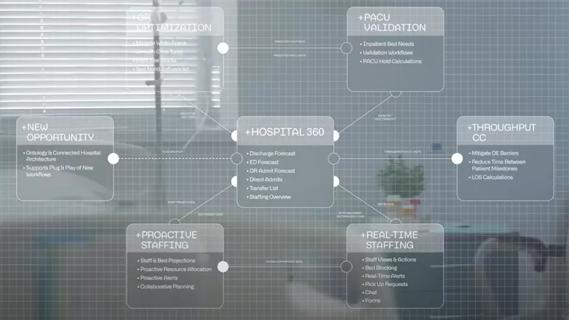
Cleveland Clinic partners with Palantir to create logistical command center

A Q&A with organizational development researcher Gina Thoebes

Cleveland Clinic transformation leader led development of benchmarking tool with NAHQ

Raed Dweik, MD, on change management and the importance of communication

Small business owners expand their networks and gain new insights

Leadership pearls from Margaret McKenzie, MD, hospital vice president

Advice from four CNOs on how to embrace innovation and collaboration

Cleveland Clinic will offer rapid, pinpoint airborne transport of medications and other medical items
 Search