Locations:





Innovative POP procedure helps alleviate symptoms without surgery
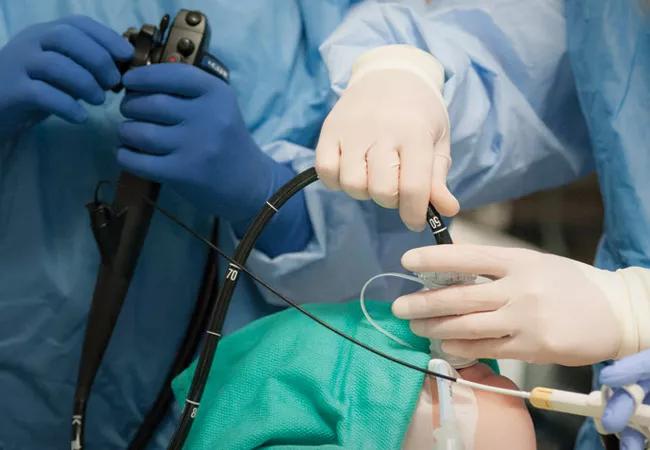
Image content: This image is available to view online.
View image online (https://assets.clevelandclinic.org/transform/30021e2d-b4b1-47ef-aa58-23fdb0d6d7e5/16-DDI-121-Gastro-CQD-650x450_jpg)
16-DDI-121-Gastro-CQD-650×450
For patients with gastroparesis, long-term relief from nausea, vomiting and bloating may have seemed like an impossible dream. However, medical experts have discovered the secret to conquering this chronic condition. Effective patient care for gastroparesis requires innovative treatment combined with the expertise of physicians from multiple disciplines.
Advertisement
Cleveland Clinic is a non-profit academic medical center. Advertising on our site helps support our mission. We do not endorse non-Cleveland Clinic products or services. Policy
The most common treatments for gastroparesis include pain management, medication and surgery. However, using just one of these treatments is unlikely to relieve the patient’s symptoms. Physicians must consider the patient’s overall health, including diet, psychology and pain levels. When patients receive treatments from physicians in multiple disciplines, the overall treatment plan usually lacks cohesion and focus.
Because gastroparesis is such a rare disorder, few medical centers have had enough exposure to patients with this condition to develop effective treatment plans. Plus, the therapies are evolving so rapidly that many hospitals are struggling to keep up with the changes.
As a result, gastroparesis patients may spend a lot of time and money on various physicians and specialists who are not addressing their condition from a holistic viewpoint. A history of poor, ineffective treatments has left many gastroparesis patients very frustrated.
At the Digestive Disease & Surgical Institute, gastroparesis is the number one reason for patient referrals. This influx of patients gives physicians abundant opportunities to gain practical experience diagnosing and treating gastroparesis.
Currently led by Surgical Endoscopist John Rodriguez, MD, and Gastroenterologist Michael Cline, DO, the Gastroparesis Clinic offers a centralized place for patients to consult multiple specialists, including psychologists, gastroenterologists, pain specialists, nutritionists and surgical endoscopists. “Because they have experience working together to support patients with gastroparesis, they know what works and what doesn’t,” explains Director of Surgical Endoscopy Matthew D. Kroh, MD. “They also know whom to consult when they’ve hit a roadblock in the process.”
Advertisement
Following the patient’s initial appointments, the multidisciplinary team develops a treatment plan that’s tailored to every aspect of the patient’s condition. Throughout treatment, care team members stay in touch with each other and the patient, making adjustments as needed.The convenience of the Gastroparesis Clinic also contributes to patient ease. “Our patients can schedule their appointments with multiple doctors over the course of one or two days, making scheduling one less thing that they have to worry about,” says Dr. Kroh. This is especially helpful for patients who must travel a considerable distance to seek treatment at Cleveland Clinic.
The Digestive Disease & Surgical Institute’s Developmental Endoscopy Group recently used POP to treat several patients with gastroparesis. Led by Dr. Kroh and Medical Director Mansour Parsi, MD, MPH, these experts in gastroenterology, general surgery, colorectal surgery and interventional endoscopy work together to implement and refine POP procedures.
During POP, the physician cuts the pylorus, a muscular valve that empties the stomach, without surgery. Using advanced endoscopic tools, the entire procedure is performed through the mouth without the need for incisions. After the lining of the stomach is opened, only the pylorus is divided under high-definition vision, improving the emptying ability of the stomach.
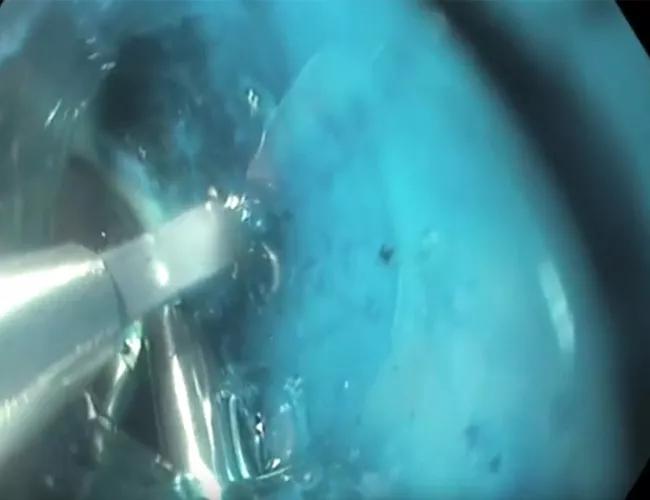
Image content: This image is available to view online.
View image online (https://assets.clevelandclinic.org/transform/6d3eb77c-08e6-4e76-8d2a-bf0116ffa6ba/16-DDI-Ponsky-Inset-Image-CQD_jpg)
Closure of the access site in the stomach after completion of POP.
By using an endoscopic method, the physician decreases the morbidity associated with laparoscopic surgery while delivering the same effectiveness for the patient. Traditional laparoscopic methods for dividing the pylorus muscle can result in pain from the incisions, herniation or leakage from the closure. POP eliminates the access trauma induced by open and laparoscopic surgery.
Advertisement
Many of the new endoscopic instruments and knives used in POP originated in Japan where physicians used them to remove early cancers. These pioneers in minimally invasive technology created a platform that allows Cleveland Clinic physicians to use surgical tools in innovative endoscopic applications.
The initial patient outcomes for POP procedures performed by the Digestive Disease & Surgical Institute look very promising. Immediately following treatment, physicians have noted symptomatic improvement as well as gastric emptying improvement.
“To finally be able to manage the full spectrum of care for patients who have suffered with gastroparesis for so many years is very rewarding,” says Dr. Kroh. “Giving these patients the support and treatment they really need — and watching them steadily improve — makes it all worthwhile.”
According to Dr. Kroh, the Developmental Endoscopy Group is busy training physicians in digestive disease fellowship programs at Cleveland Clinic to adopt the latest laparoscopic and endoscopic techniques. “When they graduate, these physicians will be fully prepared to help other hospitals implement innovative treatment programs for gastroparesis,” he reveals.
The Gastroparesis Clinic is a valuable resource for digestive disease physicians who lack experience in treating gastroparesis. “We would love to have administrators or physicians from other hospitals work with us and do case observations through our clinic,” explains Dr. Kroh. “This training would help them benefit from our expertise and put our technologies and treatments into practice.”
Advertisement
In support of the Gastroparesis Clinic, the Developmental Endoscopy Group will continue to develop laparoscopic and endoscopic procedures to treat patients with gastroparesis and other digestive disorders.
Advertisement
Advertisement

Strong patient communication can help clinicians choose the best treatment option
ctDNA should be incorporated into care to help stratify risk pre-operatively and for post-operative surveillance

The importance of raising awareness and taking steps to mitigate these occurrences
New research indicates feasibility and helps identify which patients could benefit
Treating a patient after a complicated hernia repair led to surgical complications and chronic pain
Standardized and collaborative care improves liver transplantations
Fewer incisions and more control for surgeons

Caregiver collaboration and patient education remain critical
 Search