Locations:





Time-lapse imaging reveals embryo growth kinetics
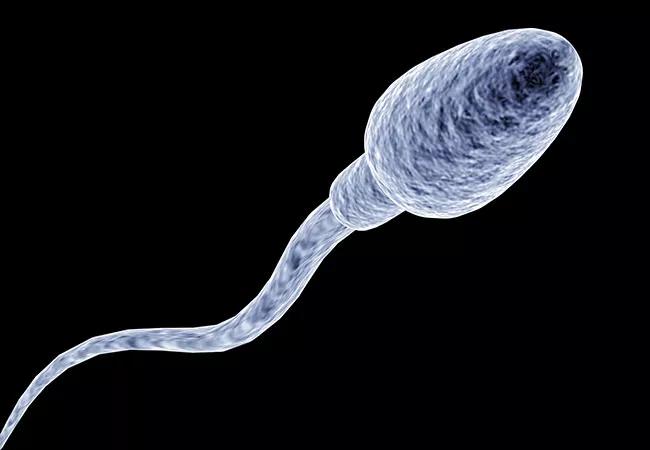
Image content: This image is available to view online.
View image online (https://assets.clevelandclinic.org/transform/516dc219-d672-4b83-83d0-892bfad55ba7/GettyImages-172263313_jpg)
New Information About Severe Male-Factor Infertility
Severe male factor infertility, where no sperm is found in the semen, is devastating to a couple. With intracytoplasmic sperm injection (ICSI) and the ability to surgically retrieve sperm from the epididymis and testis, these males now have an opportunity to father a child.
Advertisement
Cleveland Clinic is a non-profit academic medical center. Advertising on our site helps support our mission. We do not endorse non-Cleveland Clinic products or services. Policy
Cleveland Clinic’s in vitro fertilization (IVF) program has a high success rate with the most severe cases, where sometimes only a handful of barely twitching sperm are found after hours of searching. A studypresented at the 2016 American Society of Reproductive Medicine meeting in October revealed clinical pregnancy rates of 57 percent with epididymal sperm and 51 percent when sperm were obtained from the testis in men with more severe dysfunction.
“These data clear show how successful ICSI can be for treating azoospermic men with no viable sperm in their semen,” says Nina Desai, PhD, HCLD, head of the IVF laboratory at Cleveland Clinic Beachwood and principal author of the paper.
A unique aspect of this study was a comparison of the kinetics and cleavage patterns of embryos derived from both types of surgically retrieved sperm. The comparison was made possible by use of the EmbryoScope, a specialized culture incubator fitted with sophisticated imaging software. The EmbryoScope takes photographs of embryos every 10 minutes at seven different focal planes, thus creating a detailed visual record of embryonic development.
“The purchase of our first EmbryoScope in 2012 changed our practice of IVF and embryo selection,” says Dr. Desai. “For two decades, we had conducted IVF in the traditional manner, which involved removing dishes from an incubator once a day to evaluate embryo growth. The new tool provided time-lapse imaging and continuous visualization of embryo development that gave us a new understanding of embryo growth kinetics and aberrant cleavage patterns. For the first time, we could more accurately identify critical transition points at which embryos derived from both types of sperm differed.”
Advertisement
Dr. Desai and colleagues discovered that development was delayed with testicular sperm until shortly after the 10- to 12-cell stage when the embryo starts compacting and individual cells start to merge to form a morula. “Compaction is a critical transition point for continued embryo development and an early indicator of embryonic genome activation. We found a higher percentage of testicular sperm-derived embryos were unable to make it past this hurdle,” says Dr. Desai.
Another important finding was that once this hurdle was overcome, embryos derived from testicular and epididymal sperm appeared to have similar kinetics for blastocyst formation and expansion.
“These findings were intriguing,” says Dr. Desai. “Future studies examining the severity of testicular dysfunction and sperm quality in patients with testciular-derived embryos and their relationship to embryo morphokinetics should give us a better understanding of how male factor infertility affects embryonic development.”
Advertisement
Advertisement
Counseling and careful surgical considerations are key

Deprivation is linked to impaired glucose intolerance and racial disparities

Perioperative prophylaxis and class III obesity

Artesunate ointment is safe well and tolerated patients with vulvar intraepithelial neoplasia
Endoscopic balloon dilation during pregnancy helps optimize outcomes
Researchers examine waste and implore colleagues to take action

Mode of delivery does not affect patient satisfaction
 Search