Locations:





Bringing stroke treatment directly to the patient when every minute matters

Image content: This image is available to view online.
View image online (https://assets.clevelandclinic.org/transform/e22e9df4-0f3c-4af2-8fd8-db426c5016d5/15-CCC-143-SOTC-Hero-Image-690x380pxl_jpg)
15-CCC-143 SOTC Hero Image 690x380pxl
Cleveland Clinic has launched Mobile Stroke Treatment Unit (MSTU) with its own lab, CT scanner, and specially trained personnel, to diagnose and begin treatment of potential stroke patients at the scene and on their way to the hospital. The team from the Cerebrovascular Center, directed by Peter Rasmussen, MD, is among the first in American to have an MTSU, and they have improved the concept with innovations, including the use of telemedicine to allow neurologists to manage patients remotely. “The MSTU essentially brings the emergency room to the patient,” says Dr. Rasmussen. So far, the MSTU has enabled caregivers to treat patients with thrombolytic therapy within a mean of 19 minutes of getting into the mobile unit – well below the 60 minute window recommended by guidelines. The MSU is projected to save between $2-4 million in its first year through savings in post-acute stroke therapy.
Advertisement
Cleveland Clinic is a non-profit academic medical center. Advertising on our site helps support our mission. We do not endorse non-Cleveland Clinic products or services. Policy
Video content: This video is available to watch online.
View video online (https://www.youtube.com/embed/X8jW2kwR3H0?rel=0&wmode=transparent)
Advertisement
Advertisement

New study advances understanding of patient-defined goals
Testing options and therapies are expanding for this poorly understood sleep disorder
Real-world claims data and tissue culture studies set the stage for randomized clinical testing
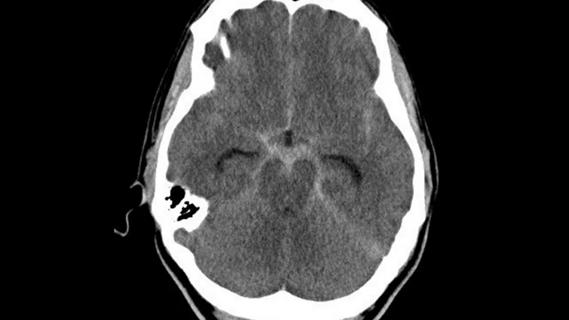
Digital subtraction angiography remains central to assessment of ‘benign’ PMSAH

Cleveland Clinic neuromuscular specialist shares insights on AI in his field and beyond
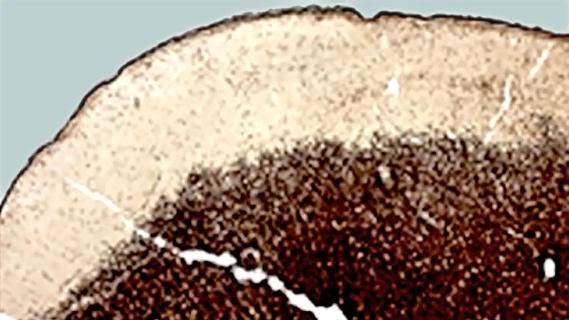
Findings challenge dogma that microglia are exclusively destructive regardless of location in brain
Neurology is especially well positioned for opportunities to enhance clinical care and medical training
New review distills insights from studies over the past decade
 Search