Locations:





Once-promising HDL-targeted therapy fails to show plaque regression

Image content: This image is available to view online.
View image online (https://assets.clevelandclinic.org/transform/c091088e-b67f-4e9f-9844-e03376ef25d9/16-HRT-2353-Nicholls-Milano-CQD_jpg)
16-hrt-2353-nicholls-milano-cqd
A novel HDL cholesterol-targeted therapy once touted as potential Liquid Drano® for the coronary arteries appears to have met its demise, based on results of the MILANO-PILOT study presented at the American Heart Association’s 2016 Scientific Sessions.
Advertisement
Cleveland Clinic is a non-profit academic medical center. Advertising on our site helps support our mission. We do not endorse non-Cleveland Clinic products or services. Policy
The agent, known commercially as MDCO-216, failed to have a favorable effect on coronary disease progression in the study. As a result, its developer, the Medicines Company, announced it is discontinuing its development.
“We found that five weekly intravenous infusions of MDCO-216 had no favorable impact on plaque compared with placebo in patients treated really well with background medical therapy,” says MILANO-PILOT lead investigator Stephen Nicholls, MBBS, PhD. “This is another bit of bad news for the HDL story.” Dr. Nicholls is a professor at the South Australian Health and Medical Research Institute and a consultant to the Cleveland Clinic Coordinating Center for Clinical Research (C5Research), which coordinated the trial.
MDCO-216 contains ApoA-1 Milano, a naturally occurring variant of the ApoA-1 HDL lipoprotein discovered in the 1970s among residents of a small village in Northern Italy. ApoA-1 Milano carriers had levels of coronary atherosclerosis that were far lower than would be expected based on their very low levels of HDL cholesterol and high levels of triglycerides.
Initial studies of the compound proved promising, including a 2003 study in JAMA led by Cleveland Clinic researchers showing that ApoA-1 Milano therapy produced significant regression of coronary atherosclerosis as assessed by intravascular ultrasound (IVUS).
But subsequent studies failed to definitively confirm that promise, setting the stage for MILANO-PILOT, an international double-blind trial in which 126 patients with recent acute coronary syndrome were randomized to MDCO-216 or placebo in addition to optimal background medical therapy.
Advertisement
Patients were randomized by site and by previous statin use to five infusions of MDCO-216 (20 mg/kg) over six weeks or matching intravenous placebo. Baseline HDL cholesterol was 41 mg/dL in the placebo arm and 44 mg/dL in the MDCO-216 arm.
On the primary end point of change in intracoronary atherosclerotic plaque volume as measured by IVUS, MDCO-216 came up short, achieving a 0.5 percent plaque reduction compared with a 0.8 percent reduction in the placebo group.
Similarly, plaque regression was experienced by a larger proportion of patients in the placebo group (67.2 percent) than in the MDCO-216 group (55.8 percent).
Safety results in the two arms were highly comparable.
“The failure to show benefits with MDCO-216 further challenges the hope that medical therapy will raise HDL in patients,” says Dr. Nicholls. “But it’s worth noting that there are other forms of HDL which continue to undergo clinical trials, and it may be that they show a benefit where this one didn’t. As these trials progress we will see how the HDL story ultimately plays out.”
Advertisement
Advertisement

A sampling of outcome and volume data from our Heart & Vascular Institute
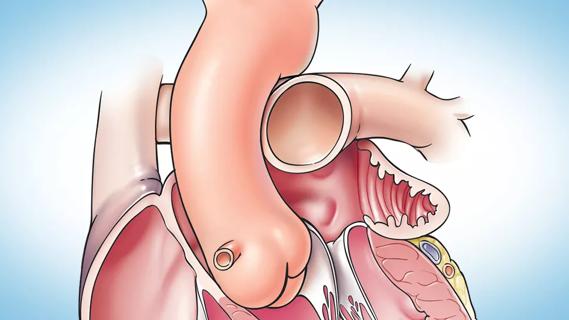
Concomitant AF ablation and LAA occlusion strongly endorsed during elective heart surgery

Large retrospective study supports its addition to BAV repair toolbox at expert centers
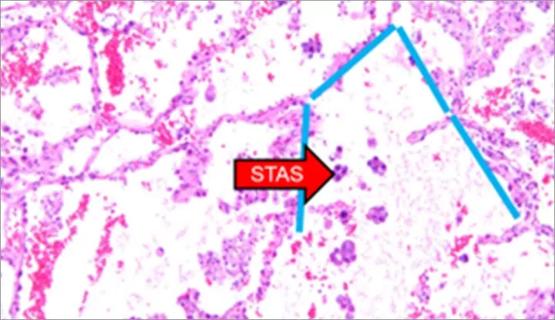
Young age, solid tumor, high uptake on PET and KRAS mutation signal risk, suggest need for lobectomy

Surprise findings argue for caution about testosterone use in men at risk for fracture
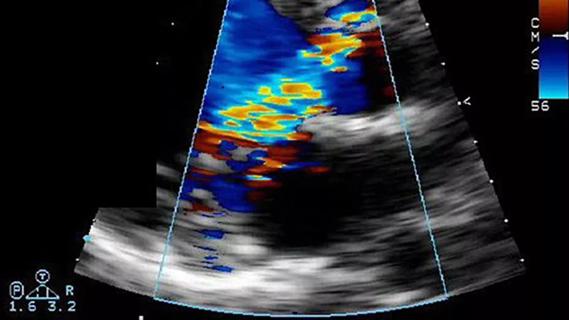
Residual AR related to severe preoperative AR increases risk of progression, need for reoperation

Findings support emphasis on markers of frailty related to, but not dependent on, age

Provides option for patients previously deemed anatomically unsuitable
 Search