Locations:





Nature Communications study hints at protective role

Image content: This image is available to view online.
View image online (https://assets.clevelandclinic.org/transform/e22e9df4-0f3c-4af2-8fd8-db426c5016d5/15-CCC-143-SOTC-Hero-Image-690x380pxl_jpg)
15-CCC-143 SOTC Hero Image 690x380pxl
Immune cells generally believed to aggravate chronic brain diseases have now been found to have a beneficial effect in traumatic brain injury. The normal immune function of these cells, known as microglia, is to consume cellular debris and dead neurons from nerve tissue. Until now, it was believed that microglia promoted inflammation damaging to healthy brain tissue after a traumatic injury. But a team of researchers led by Bruce Trapp, PhD, of Cleveland Clinic’s Lerner Research Institute found that microglia actually help synchronize brain firing, which protects the brain from traumatic brain injury. The findings were published in Nature Communications. “We could potentially harness the protective role of microglia to improve prognosis for patients with traumatic brain injury and delay the progression of Alzheimer disease, multiple sclerosis and stroke,” says Dr. Trapp.
Advertisement
Cleveland Clinic is a non-profit academic medical center. Advertising on our site helps support our mission. We do not endorse non-Cleveland Clinic products or services. Policy
Video content: This video is available to watch online.
View video online (https://www.youtube.com/embed/_lwTHYRReq0?rel=0&wmode=transparent)
“Most of the research has focused on a pathogenic or a destructive role of microglia, and I think that’s because they remove cellular debris, and many people have confused removing cellular debris with causing the damage,” says Dr. Trapp in the video.
In the study, all the microglia in the brain were activated, and then the brain was given a lesion. “Lo and behold, the lesion was smaller and not bigger, and then we went in depth to see what the microglia were doing during this protective stage,” Dr. Trapp adds. By surrounding the neurons, the microglia enabled them to continue firing in a synchronous manner. This actually shielded the brain and reduced the size of a subsequent injury.
Dr. Trapp concludes the video with a hopeful statement about the discovery: “If we could learn how to harness the protective role of microglia, we could develop therapies that may stop the progressive neurodegenerative diseases.”
Advertisement
Advertisement

New study advances understanding of patient-defined goals
Testing options and therapies are expanding for this poorly understood sleep disorder
Real-world claims data and tissue culture studies set the stage for randomized clinical testing
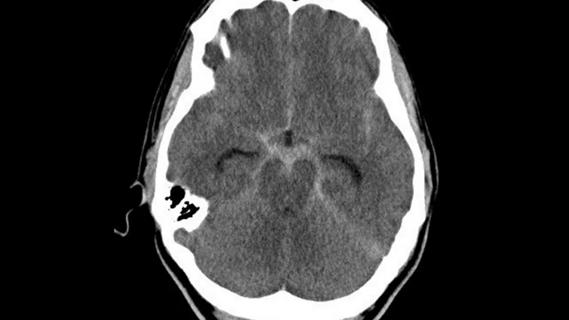
Digital subtraction angiography remains central to assessment of ‘benign’ PMSAH

Cleveland Clinic neuromuscular specialist shares insights on AI in his field and beyond
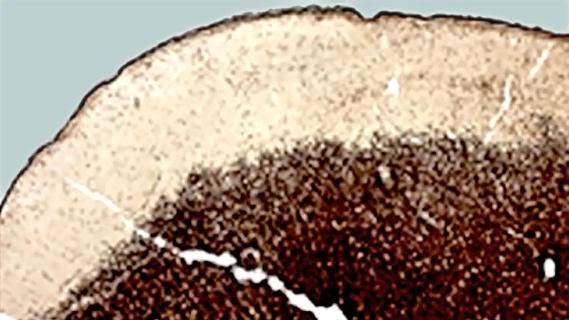
Findings challenge dogma that microglia are exclusively destructive regardless of location in brain
Neurology is especially well positioned for opportunities to enhance clinical care and medical training
New review distills insights from studies over the past decade
 Search