Locations:





Popular case-based course takes a multidisciplinary approach to wide range of care issues

Image content: This image is available to view online.
View image online (https://assets.clevelandclinic.org/transform/d673af73-4e7b-4433-857c-5f8cc8bbdae3/23-HVI-4120326-CQD-650x450-1-scaled_jpg)
23-HVI-4120326 CQD 650×450
Cleveland Clinic’s crowd-pleasing biennial CME deep dive into aortic valve (AV) disease, “A Case-Based Approach to Mastering the Aortic Valve: Imaging, Innovation and Intervention,” returns to midtown Manhattan this December with its most ambitious agenda to date.
Advertisement
Cleveland Clinic is a non-profit academic medical center. Advertising on our site helps support our mission. We do not endorse non-Cleveland Clinic products or services. Policy
The course’s 16 expert faculty — cardiologists and cardiothoracic surgeons from Cleveland Clinic and three other leading U.S. cardiovascular centers — will touch on a wealth of timely issues in AV management across nine topical sessions on Friday, Dec. 15, and Saturday morning, Dec. 16, at the InterContinental New York Barclay.
Case-based discussion takes center stage, with case presentations figuring into nearly all topical sessions. Two sessions devoted to difficult scenarios in AV disease consist entirely of case studies, with the cases serving as a springboard to explore clinical decision-making. All cases are approached in a multidisciplinary fashion, featuring perspectives from a clinical or imaging cardiologist, an interventional cardiologist and a cardiothoracic surgeon.
Conditions and presentations explored in this comprehensive case-based manner include (among others):
Beyond the case-based explorations, highlights include the following:
Advertisement
The program also addresses a number of special issues in AV disease management, such as gender-related differences in aortic stenosis presentation and outcomes as well as management and ethical issues in the care of very elderly patients with AV disease.
“This course will once again provide insights into investigating the patient with aortic valve disease as well as how to achieve excellent outcomes through best practice management and the selection and execution of surgical and interventional treatments,” says course co-director Lars Svensson, MD, PhD, Chair of Cleveland Clinic’s Miller Family Heart, Vascular & Thoracic Institute (HVTI). His fellow course co-directors are Milind Desai, MD, MBA, HVTI Vice-Chair for Education; Brian Griffin, MD, Section Head of Cardiovascular Imaging; and Samir Kapadia, MD, Chair of the Department of Cardiovascular Medicine.
Adjournment of the course shortly after noon on Saturday allows time for weekend exploration of Manhattan at the height of its holiday decorations.
For more information and registration details, visit ccfcme.org/aorticvalve.
This activity has been approved for AMA PRA Category 1 Credit™.
Advertisement
Advertisement
A sampling of outcome and volume data from our Heart & Vascular Institute
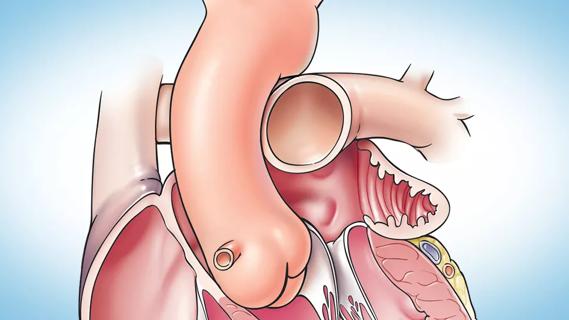
Concomitant AF ablation and LAA occlusion strongly endorsed during elective heart surgery
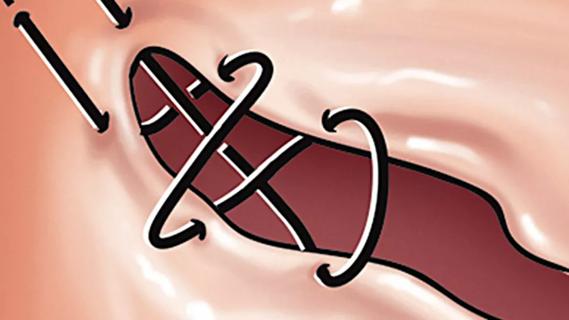
Large retrospective study supports its addition to BAV repair toolbox at expert centers
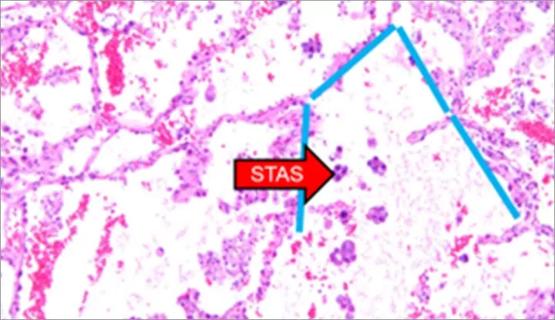
Young age, solid tumor, high uptake on PET and KRAS mutation signal risk, suggest need for lobectomy
Surprise findings argue for caution about testosterone use in men at risk for fracture
Residual AR related to severe preoperative AR increases risk of progression, need for reoperation

Findings support emphasis on markers of frailty related to, but not dependent on, age
Provides option for patients previously deemed anatomically unsuitable
 Search