Locations:





Expert in mitral valve surgery, robotics and afib
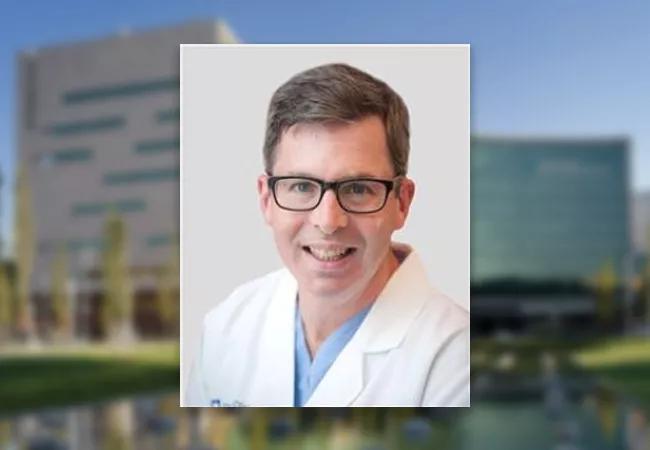
Image content: This image is available to view online.
View image online (https://assets.clevelandclinic.org/transform/4f4fb88b-52bd-4be6-b944-5c7fb39f310b/17-HRT-476-Gillinov-CQD-3_jpg)
A. Marc Gillinov, MD, Tapped as Cleveland Clinic Cardiothoracic Surgery Chair
Cleveland Clinic has appointed A. Marc Gillinov, MD, as Chairman of its Department of Thoracic and Cardiovascular Surgery.
Advertisement
Cleveland Clinic is a non-profit academic medical center. Advertising on our site helps support our mission. We do not endorse non-Cleveland Clinic products or services. Policy
In this role, Dr. Gillinov will lead the team of cardiothoracic surgeons for the Sydell and Arnold Miller Family Heart & Vascular Institute. In 2016, Cleveland Clinic’s cardiac and general thoracic surgeons performed more than 6,500 procedures, including many highly complex operations. The cardiothoracic surgical team has consistently earned a three-star (highest) score in all three categories of the Society of Thoracic Surgeons’ (STS) risk-adjusted quality ratings for adult cardiac surgery as well as a three-star STS rating in lobectomy for lung cancer.
“It is an honor to work with the world’s finest cardiothoracic surgical team,” Dr. Gillinov said after the appointment. “Our outstanding people and our unparalleled resources ensure that we will continue to excel in patient care and lead in innovation.”
Dr. Gillinov succeeds Joseph Sabik, MD, who served as chair from 2008 to 2016.
Since joining the Cleveland Clinic cardiothoracic surgery staff in 1997, Dr. Gillinov has specialized in mitral valve repair, robotically assisted mitral valve surgery, aortic valve surgery and atrial fibrillation. He has one of the world’s largest practices in robotic and minimally invasive mitral valve repair surgery.
In addition to his clinical responsibilities, Dr. Gillinov serves as the Chief Experience Officer of the Miller Family Heart & Vascular Institute and holds The Judith Dion Pyle Chair in Heart Valve Research.
A native Clevelander, he first worked at Cleveland Clinic when he was a high school student; during his summers, he served as a research assistant in cardiac surgery. He earned his medical degree from the Johns Hopkins University School of Medicine after receiving an undergraduate degree from Yale University. He completed residencies in general surgery and in cardiac and thoracic surgery at Johns Hopkins Hospital, where he served as chief resident for both cardiac and thoracic surgery.
Advertisement
“Marc is an innovative surgeon who grew up in Cleveland, showed an early interest in heart surgery during high school and went on to become a national and internationally recognized leader in mitral valve surgery,” said Lars Svensson, MD, PhD, Chair of the Miller Family Heart & Vascular Institute. “The robotic surgery team he’s led has achieved the unequalled result of an operative risk of less than one-tenth of one percent out of more than 1,500 robotic mitral valve surgeries on patients from all over the world. I have no doubt the cardiothoracic team he will lead will continue to make major contributions to heart care nationally and beyond.”
Dr. Gillinov is currently involved in multinational clinical trials aimed at advancing the management of mitral valve disease, aortic valve disease and atrial fibrillation. He has presented his research and clinical findings at more than 200 national and international medical symposia and conferences. Several of his innovations have been granted patents, including new techniques for valve repair for which he received a Cleveland Clinic Award for Innovation.
Dr. Gillinov is active in various national cardiothoracic societies, including the Society of Thoracic Surgeons and the American Association for Thoracic Surgery. He has authored or co-authored over 320 peer-reviewed articles in leading journals as well as chapters in several thoracic and cardiovascular textbooks. He has served on the editorial boards of numerous specialty journals. He also has a gift for communicating clearly with patients and the general public, as exemplified in frequent media appearances and in his 2012 book, Heart 411: The Only Guide to Heart Health You’ll Ever Need, co-authored with Cleveland Clinic cardiologist Steven Nissen, MD.
Advertisement
“I tell patients I do two things everyday: Operate and talk,” Dr. Gillinov said. “And they are equally important. If you’re the patient, there are things you need to know to address your concerns and fears. While I want to make your heart better, I also want to make you feel better. Because that’s what I would want if I were the patient. I have been a patient and I have had surgery; I know how it can feel.”
Advertisement
Advertisement
A sampling of outcome and volume data from our Heart & Vascular Institute
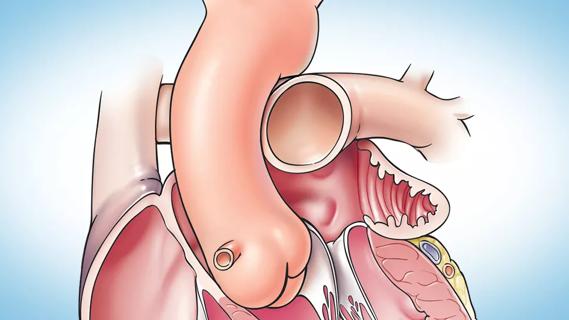
Concomitant AF ablation and LAA occlusion strongly endorsed during elective heart surgery
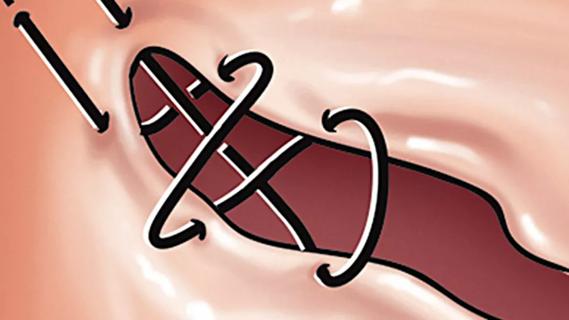
Large retrospective study supports its addition to BAV repair toolbox at expert centers
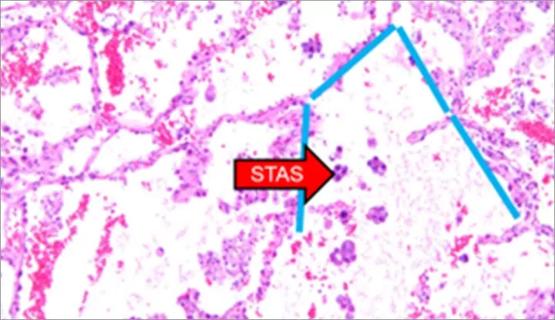
Young age, solid tumor, high uptake on PET and KRAS mutation signal risk, suggest need for lobectomy
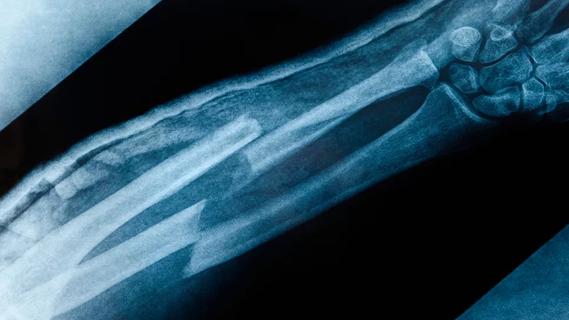
Surprise findings argue for caution about testosterone use in men at risk for fracture
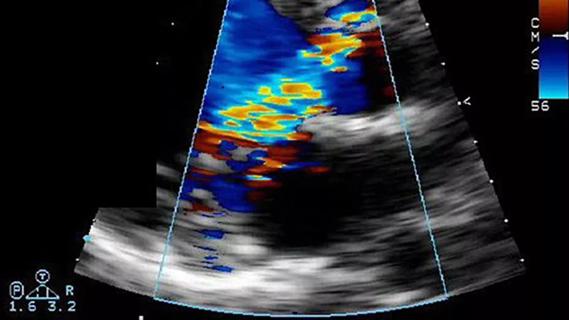
Residual AR related to severe preoperative AR increases risk of progression, need for reoperation

Findings support emphasis on markers of frailty related to, but not dependent on, age
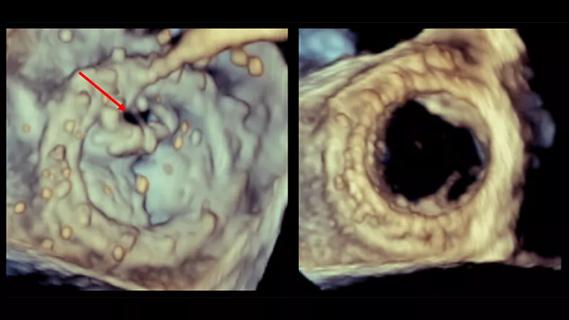
Provides option for patients previously deemed anatomically unsuitable
 Search