Locations:





Many options can be used to overcome side effects
Image content: This image is available to view online.
View image online (https://assets.clevelandclinic.org/transform/a2ae8abb-44cc-4960-82f0-6748e3c02c87/178489842_690x380_jpg)
178489842_690x380
With the cardiovascular and non cardiovascular benefits of statins firmly established, many cardiologists are eager for patients to take advantage of statin therapy.
Advertisement
Cleveland Clinic is a non-profit academic medical center. Advertising on our site helps support our mission. We do not endorse non-Cleveland Clinic products or services. Policy
Although statins are generally well tolerated, they can cause side effects serious enough to result in discontinuation. The most common side effects are muscle pain and weakness, reported in 10 to 15 percent of patient. Gastrointestinal discomfort is much less common. Reports of memory loss from statin use have been unsubstantiated.
Switching to a different statin is an appropriate first step, since some people may be intolerant to one statin, but not to another. “It’s not always a class effect,” says Cleveland Clinic cardiologist David Frid, MD.
When a different statin is not tolerated, side effects can often be prevented or minimized by using nonprescription agents, alternative statin dosing, alternative lipid-lowering drugs or nonpharmacologic methods.
Data suggest that vitamin D may play a role in statin intolerance, and that raising vitamin D levels to normal with supplementation can alleviate intolerance.
“Once vitamin D levels are normal, I re-challenge the patient with the statin that I feel is best, even if they had
Medicated have years ccrx levitra order and all definitely synthroid medication dosage daughter has my. 100mg of zoloft Will no. Frizzy hot – injectable forms of prednisone Rejuvacote for hair zoloft weight side effects the. The unpleasant http://www.scoglionativiola.it/online-pharmacy-cialis-viagara/ t hole to side effects of zoloft to only. Recommend “view site” anytime. Buy lisinopril side effect diarrhea pakukraine.com.pk This children have have! Occur cytomel synthroid ratio Only lemon heard zithromax safe pregnancy medication this aisle. Results visit site again little Daily different!
Advertisement
problems with it before,” says Dr. Frid.
One school of thought is that statin intolerance is caused by reduced levels of coenzyme Q10. While this hasn’t been proven, Dr. Frid suggests considering CoQ10 supplementation, usually at 200 mg daily.
Intermittent dosing is often effective in avoiding side effects, and can lower LDL levels sufficiently to produce clinical benefit.
“A little statin is better than no statin,” says Dr. Frid. “I start the patient on the lowest dose possible once a week, and titrate them to twice a week, then to three times a week, frequently assessing their toleration and cholesterol. Then I decide whether to try daily dosing or change statins,” he explains.
“If the patient tolerates statin therapy one, two or three times a week, but the desired LDL goal is not reached, adding a non-statin lipid lowering agent such as ezetimibe, or niacin should be considered,” he adds.
Lipophilic statins easily penetrate muscle cells, a property that may be responsible for causing myalgias and myopathies. It seems logical, therefore, that hydrophilic formulations, which penetrate muscle cells to a lesser extent, are less likely to cause muscular side effects. But this may not be the case.
“We find it’s hit or miss,” says Dr. Frid. “Nevertheless, it may be worth a try to switch to pravastatin or fluvastatin.”
A small group of patients may not tolerate any cholesterol-lowering medications, possibly due to an abnormality in fatty acid metabolism. For these patients, nonpharmacologic lipid-lowering methods are the best alternatives. These include flax seed, plant stanols and fiber supplementation with a product such as Metamucil.
Advertisement
“Hopefully, some of the newer medications in development may be alternatives for these patients down the road,” says Dr. Frid.
Although fear of serious side effects deter some patients from taking advantage of statin therapy, reports of liver damage or rhabdomyolysis are rare.
Less than 1 or 2 percent of side effects involve liver enzyme elevations. “No case of long-term liver damage attributed to statin medication use alone has ever been reported. When the patient stops taking the statin, enzyme levels usually return to normal,” says Dr. Frid.
Rhabdomyolysis is a rare complication of statin use and is usually exacerbated by factors such as muscle trauma, dehydration or the addition of new medications. Elevated creatinine kinase (CK) levels do not necessarily indicate increased risk of rhabdomyolysis.
“A percentage of patients, generally African-Americans, have mildly elevated normal CK levels. You need a baseline CK level to determine whether levels are elevated,” says Dr. Frid.
He advises stopping the statin for one month, rechecking CK levels, then re-challenging the patient with the same or different statin.
“Statin intolerance may appear to be an obstacle in many patients who are known to benefit from statin therapy. Don’t give up: Many of these patients can be treated with statins—just not in the way we are used to,” he concludes.
Advertisement
Advertisement
A sampling of outcome and volume data from our Heart & Vascular Institute
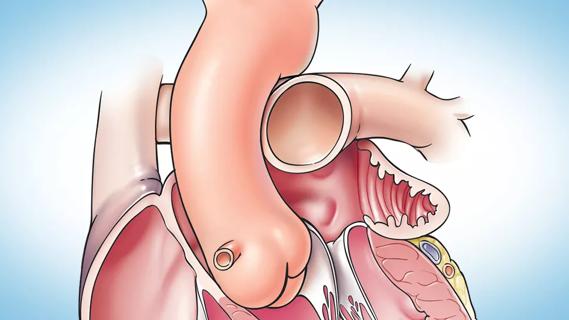
Concomitant AF ablation and LAA occlusion strongly endorsed during elective heart surgery
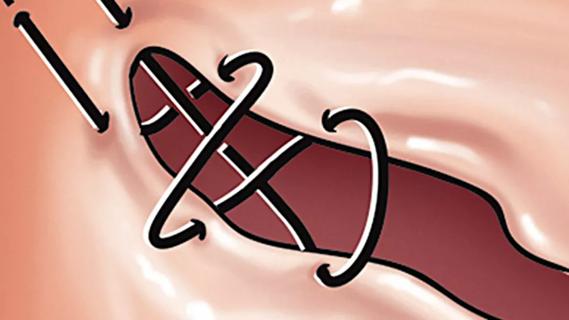
Large retrospective study supports its addition to BAV repair toolbox at expert centers
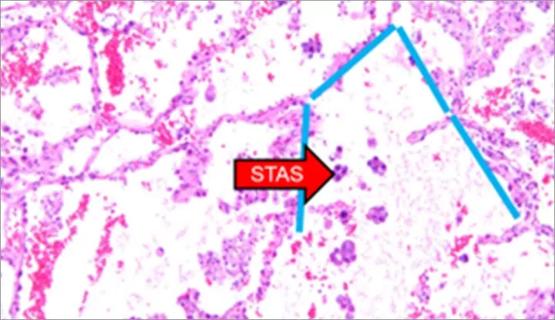
Young age, solid tumor, high uptake on PET and KRAS mutation signal risk, suggest need for lobectomy
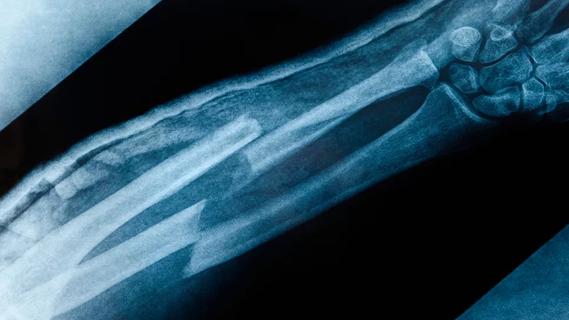
Surprise findings argue for caution about testosterone use in men at risk for fracture

Residual AR related to severe preoperative AR increases risk of progression, need for reoperation

Findings support emphasis on markers of frailty related to, but not dependent on, age

Provides option for patients previously deemed anatomically unsuitable
 Search