Locations:





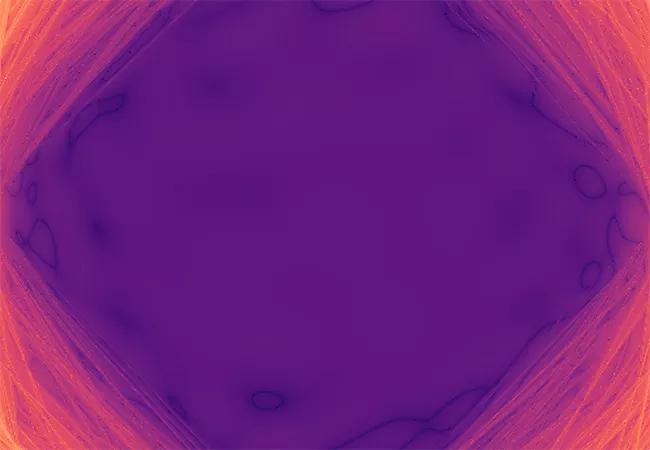
Image content: This image is available to view online.
View image online (https://assets.clevelandclinic.org/transform/2257921c-8bfe-4214-b415-70ca90ae8d66/22-URL-3201322-B-YIR-650x450-1_jpg)
22-URL-3201322 B – YIR 650×450
Urologists at Cleveland Clinic have found a new application for machine learning within their field, and they’re using it to improve shared decision making in the treatment of a common urologic diagnosis: overactive bladder (OAB).
Advertisement
Cleveland Clinic is a non-profit academic medical center. Advertising on our site helps support our mission. We do not endorse non-Cleveland Clinic products or services. Policy
Machine learning isn’t new to medicine or to urology, but its potential remains largely untapped, according to the authors of two new Cleveland Clinic-led studies.
“Algorithms can “learn” data patterns and trends and make inferences about the relationship between input and output data and, with this knowledge, make new predictions,” explains Glenn Werneburg, MD, PhD, first author on both of the studies and a fellow in the Department of Urology.
“In the context of our work, these predictions can help inform patient decision making about the effectiveness of a particular therapy,” says Dr. Werneburg.
Many patients with OAB will respond to behavioral approaches or oral medications, but for those who don’t, third-line options, bladder injection of onabotulinumtoxinA (OBTX‐A) and sacral neuromodulation (SNM), are two similarly effective therapies. Since those treatments are invasive, it’s important to know in advance which individual patients are more likely to respond and, if so, to which one.
OAB is common and costly, and improved clinical management of OAB is needed. The condition currently affects about 16% adults of the United States population, and its global expenditure is expected to increase in coming years.
Dr. Werneburg, senior author Sandip Vasavada, MD, and coauthor Howard Goldman, MD, both female pelvic medicine and reconstructive surgeons in the Department of Urology, developed neural networks using a series of novel approaches. They then applied the networks to the prediction problem in OAB using datasets from the ROSETTA study.
Advertisement
The ROSETTA study, which was sponsored by the National Institute of Child Health and Development, is one of the most complete datasets in the field. The open-label, randomized trial included 381 women with refractory urgency incontinence across nine different U.S. centers to compare OBTX-A and SNM. These findings were published in JAMA in 2016.
The first study showed that the algorithms were extremely accurate in predicting treatment responses to both modalities; they correctly predicted who was a responder and a nonresponder about 90% of the time. In fact, the algorithms generally outperformed human experts in predictions. The study was published in Neurourology and Urodynamics.
In the design of the second study, Dr. Werneburg explains, blinded expert urologists were given the same training data, and this time tasked to predict patient-reported outcomes.
The top algorithms showed excellent predictive accuracy for patient-reported bladder function improvement for both OBTX-A and were noninferior to expert urologists. The algorithms were also highly accurate in predicting patient-reported bladder leakage improvement for both modalities and were noninferior to experts.
They presented the findings in May 2022 at the American Urological Association meeting, and the study was later published in the International Urogynecology Journal.
Plans for a future prospective analysis are underway, wherein the study design will begin with the clinician, and not the algorithm. The clinician will counsel the patient on the options, determine what is important to them, and direct their questions based on the clinical picture and the patient’s history.
Advertisement
They also plan to test if these data can be extrapolated to males with OAB, as their current dataset only includes women.
Despite their accuracy, the algorithms won’t replace clinician expertise, says Dr. Werneburg. “Some aspects of the physician‐patient interaction are subtle and uncomputable, and thus machine learning may complement, but not replace, a physician’s judgment.”
Featured image: The image was generated by the learning algorithm described in Werneburg et al. Neurourology & Urodynamics (2022) and Werneburg et al. International Urogynecology Journal (2022), developed by E. A. Werneburg. To generate the image, the algorithm was trained on uniform noise, and the image is the algorithm’s attempt at creating order from randomness.
Advertisement
Advertisement
Clinicians should individualize dosing practices based on patient risk factors and preferences
Pioneering and refining the approach in pyeloplasty, nephrectomy and more
Fully-automated process uses preop CT, baseline GFR to estimate post-nephrectomy renal function
Could mean earlier treatment, but also could have negative effects

Unlike earlier pills, new drugs do not cause liver toxicity
Male factors play a role in about half of all infertility cases, yet men often are not evaluated
Surgeons choreograph nearly simultaneous procedures, sharing one robot between two patients

Identifying barriers in the renal genetic assessment of Black patients
 Search