Locations:





Veteran surgeon will lead nation’s top cardiac program

Image content: This image is available to view online.
View image online (https://assets.clevelandclinic.org/transform/1201cdec-f9a3-4952-a921-674f7d0651e8/HVI-Chair-690x380_jpg)
HVI Chair-690×380
Cleveland Clinic has announced the appointment of Lars Svensson, MD, PhD, as Chairman of its Sydell and Arnold Miller Family Heart & Vascular Institute.
Advertisement
Cleveland Clinic is a non-profit academic medical center. Advertising on our site helps support our mission. We do not endorse non-Cleveland Clinic products or services. Policy
In this capacity, Dr. Svensson will oversee more than 1,700 employees, which include the 227 staff physicians who comprise Cleveland Clinic’s Miller Family Heart & Vascular Institute, including heart and vascular surgeons and cardiologists.
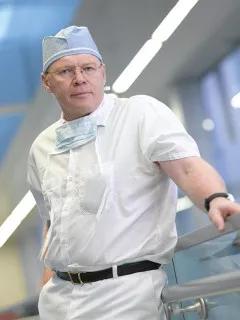
Image content: This image is available to view online.
View image online (https://assets.clevelandclinic.org/transform/f6e05c76-48b8-47e1-b3af-9e48ee670ad1/svensson_042_cqd-e1420816037447_jpg)
Prior to his appointment, Dr. Svensson, a 14-year veteran of Cleveland Clinic, had served as director of the Aorta Center, director of the Marfan Syndrome and Connective Tissue Disorder Clinic, and director of Quality and Process Improvement in the Department of Thoracic Cardiovascular Surgery.
Dr. Svensson serves on the Council of the American Association for Thoracic Surgery and is the Chairman of the Guidelines Committee that sets recommendations for the surgical management of cardiac, thoracic, and aorta disease. He also is a professor of surgery at Cleveland Clinic Lerner College of Medicine.
“Lars Svensson is an exceptional leader and surgeon who is committed to providing the highest quality of care to his patients,” said Brian G. Donley, MD, Cleveland Clinic’s Chief of Staff. “Lars brings a wealth of clinical expertise along with excellence in research and education to this position, which will benefit not just the caregivers of the Heart & Vascular Institute but also all the patients it serves.”
Cleveland Clinic’s Heart & Vascular Institute is one of the world’s largest, most experienced cardiac, thoracic and vascular surgery groups and for the 20th year in a row, Cleveland Clinic is the best hospital in the country for cardiology and heart surgery, earning the No. 1 ranking in U.S. News & World Report’s “Best Hospitals 2014-15”survey.
Advertisement
Dr. Svensson succeeds Bruce Lytle, MD, whose long and distinguished career included serving as chair since founding the Heart & Vascular Institute in 2007. Cleveland Clinic is among the 1 percent of hospitals that achieved an overall three-star (highest possible) rating from the Society of Thoracic Surgeons (STS) for all three STS categories: coronary artery bypass graft (CABG), aortic valve replacement (AVR) and combined CABG and AVR.
“Our distinguished physicians and caregivers are truly committed to patient care and discovering innovative treatments to help patients locally, nationally and from around the world,” Dr. Svensson said. “It’s a great honor to be given the opportunity to lead the best heart and vascular program in the world.”
A member of the Department of Thoracic and Cardiovascular Surgery since 2001, Dr. Svensson is internationally recognized for his expertise in cardiac and thoracic re-operations and aortic surgeries. He has contributed to advances in protecting the brain, spinal cord and kidneys during major cardiac and aortic surgery and has been instrumental in developing minimally invasive keyhole surgery. He is the principal investigator in a number of clinical research trials.
His clinical areas of expertise include adult cardiac surgery; cardio-aortic and aortic surgery, including combined valve and aneurysm surgery; minimally invasive mitral and aortic valve surgery; mitral and aortic valve repair operations (including bicuspid valve repairs and modified David Reimplantation operation); blood conservation; prevention of stroke and paralysis after aortic surgery; Marfan syndrome; peripheral vascular surgery; percutaneous valve surgery; and the Maze procedure.
Advertisement
Dr. Svensson received his undergraduate degree at Treverton College in Mooi River, South Africa, and earned his medical degree and PhD in blood flow pathophysiology from the University of Witwatersrand in Johannesburg, where he received numerous fellowships and awards.
He trained in cardiology and in general surgery at the Johannesburg Hospital before coming to Cleveland Clinic to pursue training in cardiothoracic surgery. He also completed a cardiovascular surgery fellowship and residency at Baylor College of Medicine in Houston.
Photo © Russell Lee Photography
Advertisement
Advertisement
A sampling of outcome and volume data from our Heart & Vascular Institute
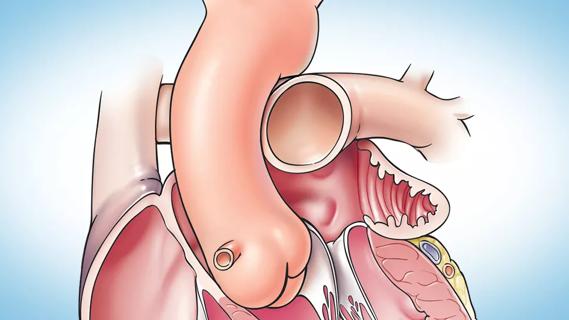
Concomitant AF ablation and LAA occlusion strongly endorsed during elective heart surgery
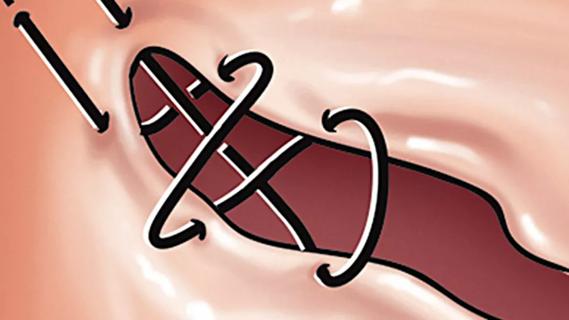
Large retrospective study supports its addition to BAV repair toolbox at expert centers
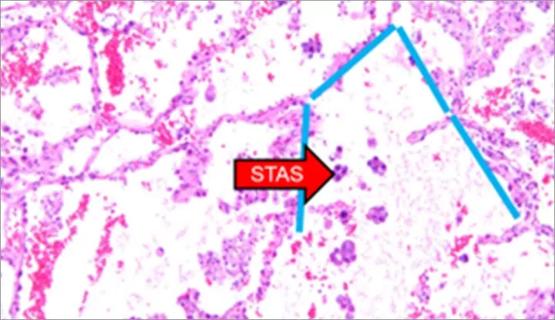
Young age, solid tumor, high uptake on PET and KRAS mutation signal risk, suggest need for lobectomy
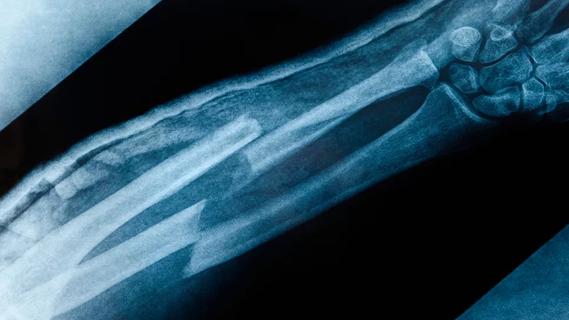
Surprise findings argue for caution about testosterone use in men at risk for fracture
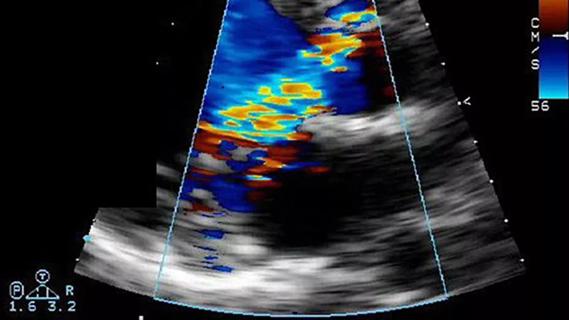
Residual AR related to severe preoperative AR increases risk of progression, need for reoperation
Findings support emphasis on markers of frailty related to, but not dependent on, age
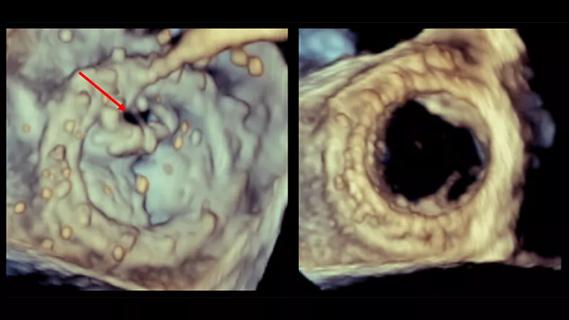
Provides option for patients previously deemed anatomically unsuitable
 Search