Locations:





Viewpoints from Steven Wexner, MD

Image content: This image is available to view online.
View image online (https://assets.clevelandclinic.org/transform/5ca48800-e150-4e07-a2cb-ea2cf1304bc1/17-DDI-3695-Wexner-Robotic-Surgery_jpg)
17-DDI-3695-Wexner-Robotic-Surgery
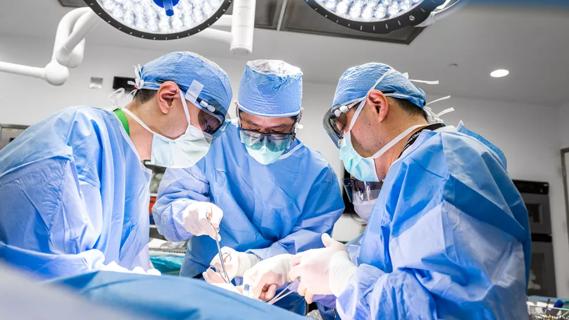
The age of our population continues to increase. Since the introduction of laparoscopic colorectal surgery in 1991, the indications and results have been continually scrutinized. Thus far, there is a dearth of literature regarding the application of this technology in octogenarians.
Advertisement
Cleveland Clinic is a non-profit academic medical center. Advertising on our site helps support our mission. We do not endorse non-Cleveland Clinic products or services. Policy
In order to to help clarify this issue, Roscio and associates evaluated 96 patients over age 80 with colon cancer and 33 patients over age 80 with rectal cancer.
These groups were compared to 220 patients between ages 60 and 69 years with colon cancer and 82 patients between ages 60 and 69 years with rectal cancer. There was no significant difference in operative time, estimated blood loss, conversion rate, resolution of ileus, length of hospitalization or rates of readmission. Very importantly, there was no difference in morbidity between the two age groups.
This study lends clear support to the fact that advanced age should not be a contraindication to the performance of laparoscopic colorectal surgery for colon or rectal cancer.
As always, it is gratifying to have one’s own personal findings confirmed. We have routinely employed laparoscopic colorectal surgery to the octogenarian and nonagenarian population. I am delighted that Roscio and associates reported similar findings to those which we have noted in our practice at Cleveland Clinic Florida.
References:
Advertisement
Advertisement

Strong patient communication can help clinicians choose the best treatment option

ctDNA should be incorporated into care to help stratify risk pre-operatively and for post-operative surveillance

The importance of raising awareness and taking steps to mitigate these occurrences
New research indicates feasibility and helps identify which patients could benefit

Treating a patient after a complicated hernia repair led to surgical complications and chronic pain

Standardized and collaborative care improves liver transplantations

Fewer incisions and more control for surgeons

Caregiver collaboration and patient education remain critical
 Search