Locations:





Special issue of the IAPRD’s journal delivers updates on a fast-evolving field
Image content: This image is available to view online.
View image online (https://assets.clevelandclinic.org/transform/2f18ce8f-792d-427e-9c19-3b7b8deafd11/18-NEU-514-Parkinsons-brain-650x450_jpg)
18-NEU-514-Parkinsons-brain-650×450
The number of people worldwide with Parkinson disease (PD) has more than doubled in less than the past two decades, according to a recent epidemiologic study published in The Lancet Neurology. As a result, most neurologists are seeing more patients with PD and related movement disorders than ever before.
Advertisement
Cleveland Clinic is a non-profit academic medical center. Advertising on our site helps support our mission. We do not endorse non-Cleveland Clinic products or services. Policy
When paired with the accelerating pace of new insights into the origins and treatment of movement disorders, this means the imperative to keep current with PD practice has never been greater.
The International Association of Parkinsonism and Related Disorders (IAPRD) is helping meet that need with a singularly useful new educational offering — a special issue of its scientific journal, Parkinsonism and Related Disorders, titled “Highlights of the XXIII Lyon World Congress on Parkinson’s Disease and Related Disorders.” The issue, published earlier this year, captures the most valuable content from the IAPRD-sponsored congress, held Aug. 19-22, 2018, in Lyon, France.
“This special issue recaps essentials from the most-attended and best-regarded presentations at the congress, which for the first time in 2018 was designed to provide a comprehensive educational program,” says Hubert H. Fernandez, MD, Director of Cleveland Clinic’s Center for Neurological Restoration, who serves as editor-in-chief of Parkinsonism and Related Disorders and as co-editor of the special issue.
Dr. Fernandez, who also chaired the scientific program executive committee for the congress, explains that the program spanned the spectrum of movement disorders with reviews by world experts covering the basics to breakthroughs in everything from phenomenology to the latest therapeutic advances.
He and his co-editors invited critically written review articles on the most salient topics from the congress, which were then peer-reviewed for inclusion in the final 22-article, 160-page issue, divided into five sections:
Advertisement
Dr. Fernandez notes that two articles in the special issue that he co-authored provide representative examples of what the publication’s articles deliver overall.
His first article, “The Next Chapter in Symptomatic Parkinson Disease Treatment,” is a practically focused, authoritative review of emerging options for the nonsurgical treatment of symptomatic motor PD, covering the following:
Dr. Fernandez’s second contribution, “Current Treatment of Tardive Dyskinesia,” succinctly surveys the data behind various approaches to treating tardive dyskinesia, from manipulating the offending dopamine-receptor blocking agent to the use of two recently FDA-approved VMAT2 inhibitors, valbenazine and deutetrabenazine. Along the way it explores the evidence on other approaches, from GABA-ergic compounds to antioxidants, atypical antipsychotics, amantadine, botulinum toxin injections and nonpharmacologic therapies.
In the article, Dr. Fernandez and his co-author conclude that both VMAT2 inhibitors “have been shown to be effective and well tolerated. These medications should be considered the mainstay treatments for tardive dyskinesia.” They write that the other treatment approaches reviewed “may be indicated in select patients,” with the article providing some guidance on potential appropriate applications.
Advertisement
“In both the congress and this resulting special issue, our mission was to efficiently share the most recent advances in our field for all clinicians, from trainees to seasoned practitioners,” Dr. Fernandez observes. “Swelling patient demand for care of PD and related disorders is a clear signal that now is the time for comprehensive, accessible education of this kind.”
To view the special issue online, visit https://www.prd-journal.com/issue/S1353-8020(19)X0003-6.
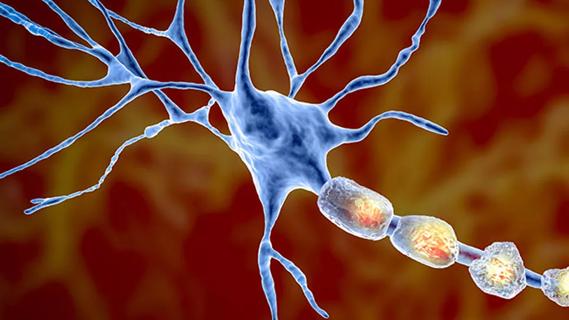
Image at top created for Cleveland Clinic by WP BrandStudio.
Advertisement
Advertisement

New study advances understanding of patient-defined goals

Testing options and therapies are expanding for this poorly understood sleep disorder
Real-world claims data and tissue culture studies set the stage for randomized clinical testing
Digital subtraction angiography remains central to assessment of ‘benign’ PMSAH

Cleveland Clinic neuromuscular specialist shares insights on AI in his field and beyond
Findings challenge dogma that microglia are exclusively destructive regardless of location in brain

Neurology is especially well positioned for opportunities to enhance clinical care and medical training
New review distills insights from studies over the past decade
 Search