Locations:





From education to response, nurses take heart
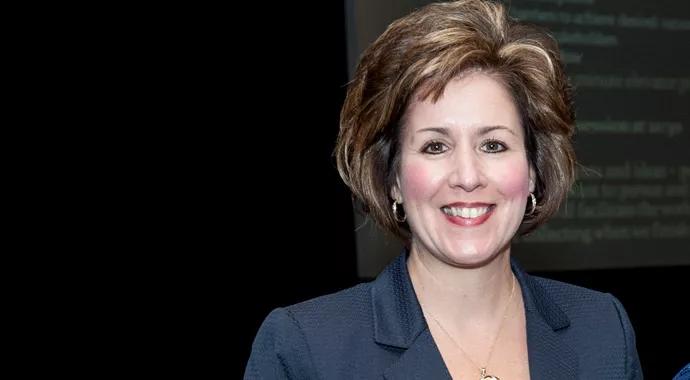
Image content: This image is available to view online.
View image online (https://assets.clevelandclinic.org/transform/07691501-2364-44f4-860b-4541386f71d6/Hancock_690x380_jpg)
Hancock_690x380
By Kelly Hancock, MSN, RN, NE-BC
Advertisement
Cleveland Clinic is a non-profit academic medical center. Advertising on our site helps support our mission. We do not endorse non-Cleveland Clinic products or services. Policy
For the 28 days of February, one of the body’s most incredible organs – the heart – and several heart-associated topics will be on the minds of many throughout the U.S., including the 12,000 nurses of Cleveland Clinic health system.
Our nursing caregivers will join the country in recognizing American Heart Month and promoting heart health. On a daily basis, nurses everywhere remind their patients to eat healthy, exercise, eliminate tobacco use, minimize alcohol consumption, and monitor blood pressure and cholesterol as well as other cardiovascular disease risk factors.
According to the Centers for Disease Control and Prevention, as cited in Heart Disease and Stroke Statistics—2014 Update: A Report From the American Heart Association, cardiovascular disease, including heart disease, stroke and high blood pressure, is the nation’s top killer of both women and men. The report also states that cardiovascular disease is a leading cause of disability and annually costs the U.S. more than $300 billion in health care services, medications and lost productivity.
As a nurse leader, every February when American Heart Month comes around, not only do I encourage my team to spend extra time educating our patients on heart health, raising awareness about heart disease and spreading the word on prevention measures – I remind them of Cleveland Clinic’s H.E.A.R.T.™ model.
The H.E.A.R.T. model is one that teaches Cleveland Clinic caregivers to take heart when responding to challenging patient situations.
Advertisement
When a nurse enters the rewarding profession of nursing, he or she has an understanding that it will take strength and dedication to get through some days. Nursing can be difficult. It can be taxing. It isn’t easy. However, nurses are special. Nurses possess innate character traits like empathy, compassion, integrity and passion that give us the power to do what we do so gracefully, day in and day out.
Our profession is one of compassion, healing, caring and hope. And, no matter the patient care setting, effective communication between nurse and patient is pivotal. We should always have an open and understanding line of communication with our patients and their families, even when the going gets tough. As nurses, our goal to provide our patients superior care includes exerting empathy and we need to remember that those we are caring for, and their family members, are likely going through a very difficult time.
Throughout our careers, we will experience patients or family members who are upset, discouraged or even angry. These individuals may be feeling extremely low or highly stressed and emotions can become intense. They may express displeasure with you as their nurse, or another member of their care team. And, how you interact and communicate with them during this time, can and will affect their entire experience.
When it comes to concerns or complaints about service, Cleveland Clinic caregivers are taught to respond with H.E.A.R.T. The model prompts caregivers to apply the following:
Advertisement
The H.E.A.R.T. model is a part of the Cleveland Clinic philosophy and can be found on every caregiver badge backer and throughout various caregiver communication channels.
The heart is the body’s lifeline and a nurse’s stimulus.
As a nurse who’s clinical experience lies within the area of cardiology, preventing and managing heart disease is something near and dear to me. Throughout February, I encourage all nurses to honor American Heart Month and spend extra time with patients promoting heart health.
Additionally, take a moment to think about how you can incorporate Cleveland Clinic’s H.E.A.R.T. model into your communication process when faced with challenging patient situations. This simple methodology can make all the difference for you, your patients, your patients’ family members and your hospital or healthcare organization.
Kelly Hancock is the Executive Chief Nursing Officer of the Cleveland Clinic Health System, and Chief Nursing Officer of Cleveland Clinic Main Campus.
Advertisement
Advertisement

Nurses play key role in comprehensive lifetime treatment program

Customized bots improve speed, efficiency by streamlining daily clinical, clerical tasks

Nurses play pivotal role in patients’ ability to recover in the comfort of their own homes
New protocol reduces costs, increases patient and caregiver satisfaction

Advocating for patient safety is imperative in fast-paced surgical settings

M-Power program improves the perinatal experience for people who have survived abuse

Advice for those pursuing a WOC nursing career

Veteran nurse shares his experience as a caregiver and community volunteer
 Search