Locations:





Nurse proposes idea and leads effort
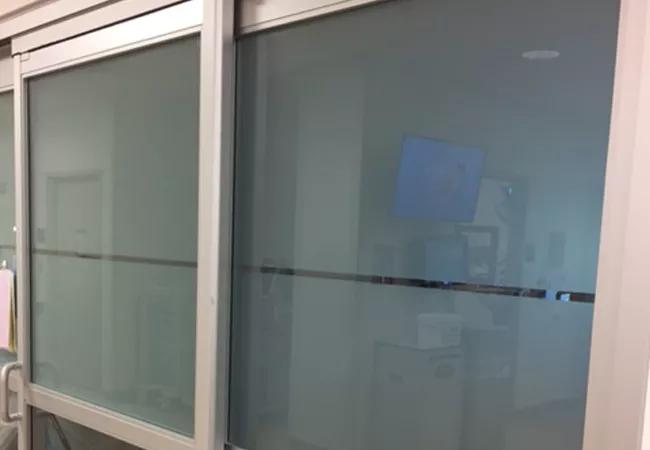
Image content: This image is available to view online.
View image online (https://assets.clevelandclinic.org/transform/d2d1c55d-a720-466d-b4a4-29de87d20ecb/17-NUR-4023-Cuff-Hero-Image-650x450pxl_jpg)
17-NUR-4023-Cuff-Hero-Image-650x450pxl
Privacy curtains were as commonplace as respiratory monitors in Cleveland Clinic Florida’s medical and surgical ICUs. But then Nadia Cuff, BSN, RN, CCRN, Director of Nursing in the ICUs, started to think more about how they affected patient care.
Advertisement
Cleveland Clinic is a non-profit academic medical center. Advertising on our site helps support our mission. We do not endorse non-Cleveland Clinic products or services. Policy
Each of the 23 ICU rooms had curtains at the entrance (along with sliding glass doors) and curtains around the toilet. Curtains were laundered after every contact isolation discharge, but only once a quarter if patients weren’t in contact isolation.
Although hand-hygiene protocols were well established in Cuff’s ICUs, was there more her critical care teams could do to protect patients?
“Sometimes we’d touch the curtains to enter the room and, once inside, wash our hands or use antibacterial foam,” says Cuff. “But other times we’d foam outside the room, and then touch the curtain when entering. We were following proper protocols, but we never thought about the order of hand-sanitizing and curtain-touching.”
A critical care task force and infection prevention committee found studies that indicated privacy curtains could harbor pathogens that cause infections. For example, one study determined that curtains can become rapidly contaminated with pathogens. Another study found that healthcare workers can pick up bacteria by touching privacy curtains.
While contaminated curtains hadn’t been linked to infections at Cleveland Clinic Florida, Cuff decided to be proactive.
Cuff and the committee brainstormed seven options, which Cuff presented in 2017 to Cleveland Clinic Florida administration.
Advertisement
To install frosted window film, the one-time cost would be less than the current monthly cost of occasional curtain changes. Administration immediately offered funds for Cuff to make the switch.
“Removing all curtains and installing window film on the doors will save Cleveland Clinic tens of thousands of dollars per year on laundering and manpower,” says Cuff.
The film was installed quickly — in one day. It frosts only the top panel of glass on room doors, allowing ambient light to shine through the bottom panel.
“Nurses were dissatisfied with the curtains, not just because of potential contamination issues, but also because changing curtains was disruptive to patient care,” says Cuff. “And finding staff to change curtains during overnight hours was difficult.”
Frosted film has alleviated those concerns and changed the standard for Cleveland Clinic Florida. When the hospital’s new tower opens in July 2018, all 48 new ICU rooms will have frosted window film instead of curtains.
Advertisement
Advertisement

Nurses play key role in comprehensive lifetime treatment program

Customized bots improve speed, efficiency by streamlining daily clinical, clerical tasks

Nurses play pivotal role in patients’ ability to recover in the comfort of their own homes
New protocol reduces costs, increases patient and caregiver satisfaction

Advocating for patient safety is imperative in fast-paced surgical settings

M-Power program improves the perinatal experience for people who have survived abuse

Advice for those pursuing a WOC nursing career

Veteran nurse shares his experience as a caregiver and community volunteer
 Search