Locations:





Preventing below the knee amputation
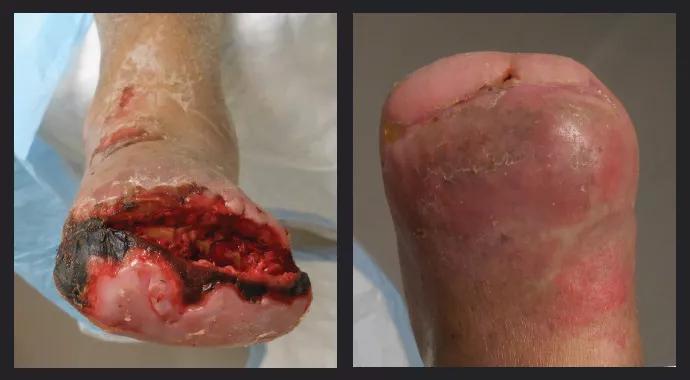
Image content: This image is available to view online.
View image online (https://assets.clevelandclinic.org/transform/40634d3a-4aff-44fa-854b-1b6a817ba29b/IoN-690x380_jpg)
IoN-690×380
From Michael Maier, DPM, and Mehdi Shishehbor, DO, MPH
Advertisement
Cleveland Clinic is a non-profit academic medical center. Advertising on our site helps support our mission. We do not endorse non-Cleveland Clinic products or services. Policy
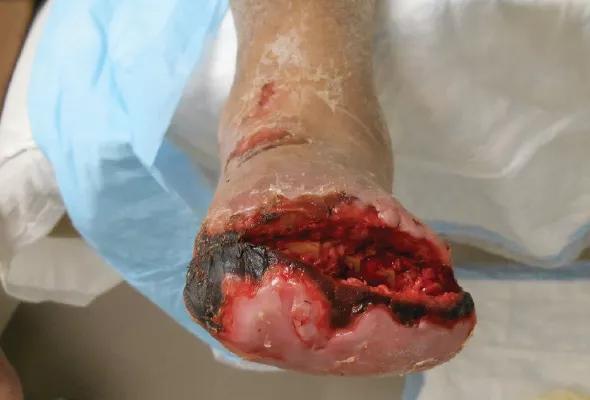
Image content: This image is available to view online.
View image online (https://assets.clevelandclinic.org/transform/2ce26b86-4fcd-4dc8-9514-e0243dda202b/IoN-Inset1_jpg)
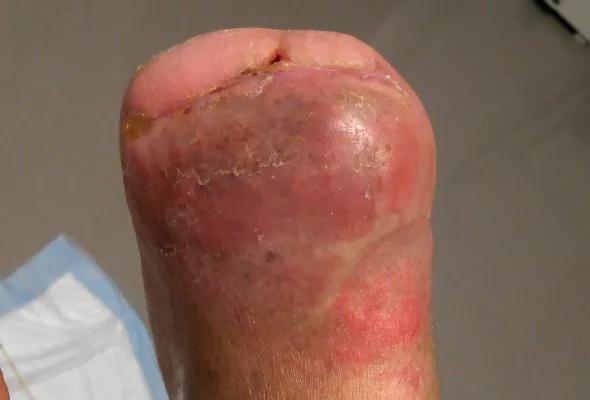
Image content: This image is available to view online.
View image online (https://assets.clevelandclinic.org/transform/a300dd59-6f78-40f9-babf-62e09be8dd5b/IoN-Inset2_jpg)
Photographs of a dehisced transmetatarsal amputation in Cleveland Clinic’s longest-living left ventricular assist device (LVAD) patient – and the healed wound at one-year follow-up – illustrate how a dedicated effort can prevent below-the-knee amputation in a highly complex patient.
Five years after receiving a permanent LVAD, the 64-year-old male patient developed an interdigital pressure ulcer. CT angiography revealed severe infrapopliteal arterial disease, with occlusion in the anterior and posterior tibial arteries. Due to comorbidities — including ischemic cardiomyopathy, heart failure, hypertension, end-stage renal disease, diabetes and sleep apnea — the patient was not a candidate for bypass surgery.
Recanalization was accomplished through a combined antegrade-retrograde approach (please view article here). Nevertheless, the third digit progressively declined, requiring a partial third ray amputation.
The site failed to heal, and a transmetatarsal amputation was performed. The wound dehisced. Angiography revealed recurrent occlusive disease, and arterial intervention was repeated to restore perfusion.
The amputation site was surgically revised, with debridement of soft tissue and bone. The patient was placed on an extended course of IV meropenem. Through dedicated use of negative-pressure therapy and a full complement of advanced wound-healing products derived from porcine tissue and human cells, the wound body slowly healed. Today, the patient is able to walk without pain.
Advertisement
Cleveland Clinic’s wound care team continues to watch the lower extremity while monitoring the patient’s other leg and his cardiovascular risk factors (click here to view more articles from our wound care team).
Join us April 17-19, 2016, at the Cleveland Clinic Masters’ Approach to Critical Limb Ischemia Symposium.
Advertisement
Advertisement

A sampling of outcome and volume data from our Heart & Vascular Institute
Concomitant AF ablation and LAA occlusion strongly endorsed during elective heart surgery
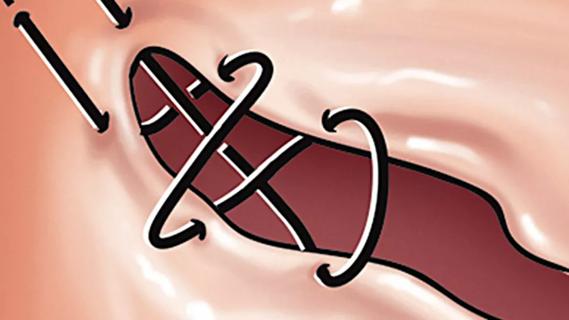
Large retrospective study supports its addition to BAV repair toolbox at expert centers
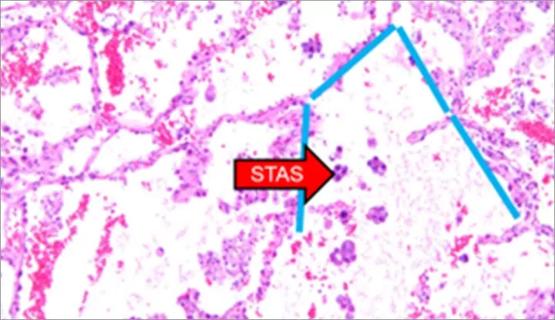
Young age, solid tumor, high uptake on PET and KRAS mutation signal risk, suggest need for lobectomy
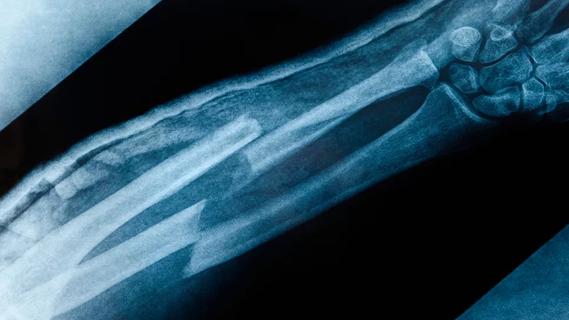
Surprise findings argue for caution about testosterone use in men at risk for fracture
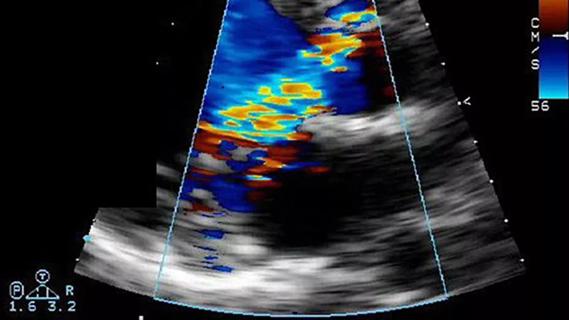
Residual AR related to severe preoperative AR increases risk of progression, need for reoperation
Findings support emphasis on markers of frailty related to, but not dependent on, age
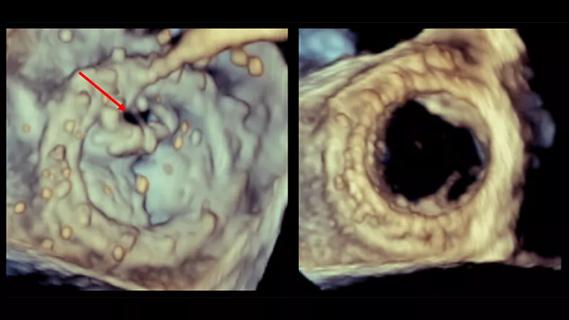
Provides option for patients previously deemed anatomically unsuitable
 Search