Locations:





Cleveland Clinic leaders look back and plan ahead
“When I used to mention patient experience, people would look at me funny and ask ‘What’s that?” says Cleveland Clinic’s Chief Experience Officer Adrienne Boissy, MD, MA. “Now, around the globe, everyone is asking each other about what they’re working on and how we all can design systems that care. I love that.”
Advertisement
Cleveland Clinic is a non-profit academic medical center. Advertising on our site helps support our mission. We do not endorse non-Cleveland Clinic products or services. Policy
Over the past 10 years, the patient experience movement has transformed healthcare. The industry is well over the hump of the adoption curve. But healthcare’s transformation will continue — especially in the thoughtful use of technology and how it creates a high-touch experience.
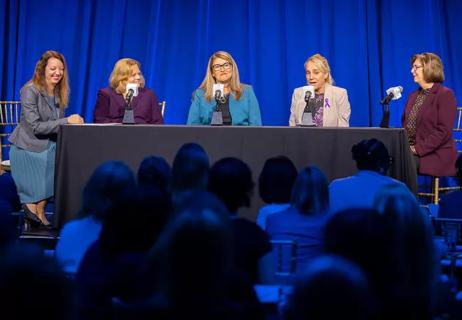
Here, some of Cleveland Clinic’s executives look back, reflecting on how patient experience has changed their work in the last 10 years and will continue to impact it for decades to come.
Carmen Kestranek, Senior Director, Experience Intelligence: “Healthcare originated as a patient-centric profession. Doctor visits occurred in the comfort of a patient’s home, with their family as key partners.
“Then, due in part to advancing treatment options, healthcare moved to clinics and hospitals. Unintentionally, care practices and policies began centering on facilities and providers, at times drifting from what patients and families wanted.
“Now, we are asking how we can better empower and engage the patient — and, ironically, how we can get back into their homes with technology. It’s great to see everyone seeking tools, technology and platforms to reinforce and once again focus on relationships.”
Cynthia Deyling, MD, Chief Quality Officer: “The best improvements in quality and safety occur when we truly listen to the voice of our patients. Partnering with patients and their families on quality initiatives makes care safer and improves outcomes. Patients should be able to speak up, and we owe it to them to seek out their perspective to inform our decision making and priorities.
Advertisement
“I have tremendous appreciation for how much patients bring to the table when we create the space. It’s a real reminder that empathy and relationships are what brought us to the healthcare profession to begin with.”
Adrienne Boissy, MD, MA, Chief Experience Officer: “In early days, patient experience efforts involved training healthcare professionals in service or scripting. We used to use patient focus groups for feedback. Now we include patients on planning teams. It feels less about ‘what’ and more about ‘how.’
“We used to talk about making patients happier and being kinder. Now we talk about operational empathy and making everything easier for patients and families.
“We used to do just what the government mandated in terms of measuring patient satisfaction. Now we are thinking beyond traditional, required surveys to point-of-service capture.
“We used to focus on the inpatient experience. Now it’s about lifelong relationships.”
The annual Patient Experience: Empathy and Innovation Summit is going digital!
This world-renowned summit is uniquely positioned to be the driver of empathy in healthcare. Just because we aren’t gathering in person doesn’t diminish the inspirational and collaborative discussions that will take place over the two-day digital summit.
Advertisement
Advertisement
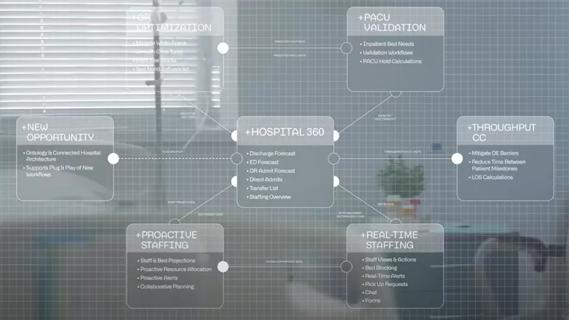
Cleveland Clinic partners with Palantir to create logistical command center

A Q&A with organizational development researcher Gina Thoebes

Cleveland Clinic transformation leader led development of benchmarking tool with NAHQ
Raed Dweik, MD, on change management and the importance of communication
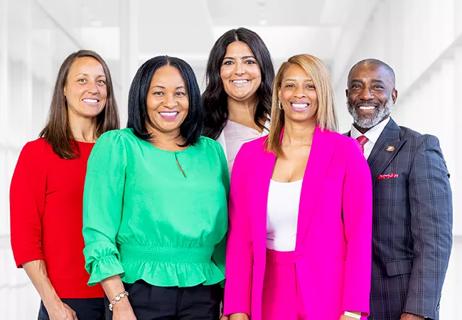
Small business owners expand their networks and gain new insights
Leadership pearls from Margaret McKenzie, MD, hospital vice president
Advice from four CNOs on how to embrace innovation and collaboration

Cleveland Clinic will offer rapid, pinpoint airborne transport of medications and other medical items
 Search