Locations:





The short answer from Chairman Conor Delaney, MD, PhD

Image content: This image is available to view online.
View image online (https://assets.clevelandclinic.org/transform/95644ac5-6175-4ff0-ae96-bfb4d4b267f6/15-DDI-2421-Delaney-650x450-CQD_jpg)
15-DDI-2421-Delaney-650×450-CQD
Q: With value playing such a big role in healthcare today, what overall efforts are underway at the Digestive Disease & Surgery Institute to ensure the best care is provided to patients?
Advertisement
Cleveland Clinic is a non-profit academic medical center. Advertising on our site helps support our mission. We do not endorse non-Cleveland Clinic products or services. Policy
A: Provision of value is today’s key concept in healthcare. Value includes improving the quality or outcome of care while maintaining or reducing cost.
This is crucial because 50 percent of hospitals in the United States are currently losing money on clinical operations. Improving the value ratio is critically important for the Cleveland Clinic and other hospitals to sustain our healthcare system.
With changes in insurance, patients are also increasingly hit with out-of-pocket deductible expenses. It is our duty as providers to reduce the cost of care to keep our healthcare system viable and to improve affordability for each individual patient.
But how? To do this, we must approach the value equation from several different perspectives. First and always, we must focus on maintaining or improving the quality of care that we provide our patients. Interestingly, there is abundant evidence that as we improve and standardize care pathways, we do improve the quality of care ― and we almost always reduce the cost.
Particular areas we focus on:
Advertisement
It’s a critical focus for us at the Digestive Disease & Surgery Institute to concentrate on value (meaning outcome and cost) to always improve the quality of care we provide our patients whilst making it as affordable as possible.
— Conor Delaney, MD, PhD
Chairman, Digestive Disease & Surgery Institute
Cleveland Clinic
Advertisement
Advertisement

Strong patient communication can help clinicians choose the best treatment option
ctDNA should be incorporated into care to help stratify risk pre-operatively and for post-operative surveillance

The importance of raising awareness and taking steps to mitigate these occurrences
New research indicates feasibility and helps identify which patients could benefit

Treating a patient after a complicated hernia repair led to surgical complications and chronic pain
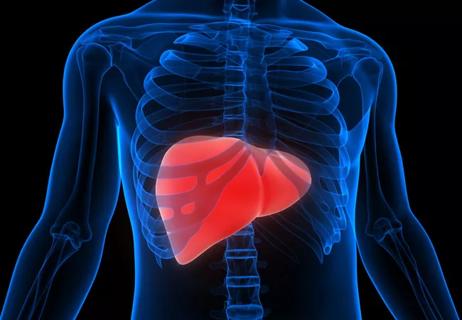
Standardized and collaborative care improves liver transplantations
Fewer incisions and more control for surgeons

Caregiver collaboration and patient education remain critical
 Search