Locations:





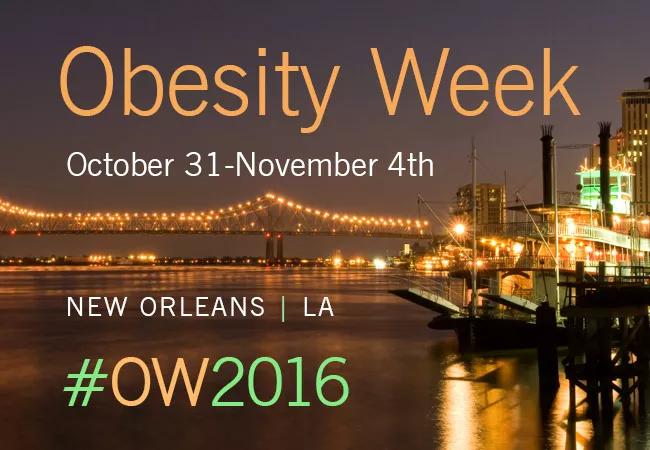
Image content: This image is available to view online.
View image online (https://assets.clevelandclinic.org/transform/58d038a7-3372-474a-8bfb-8910d8d879d7/16-DDI-2011-Obesity-Week-CQD-650x450_jpg)
16-ddi-2011-obesity-week-cqd-650×450
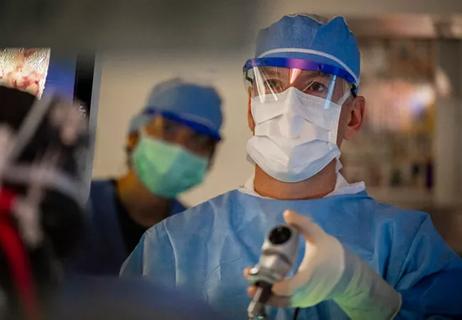
President of the American Society for Metabolic and Bariatric Surgery (ASMBS), Raul Rosenthal, MD, Director of Cleveland Clinic Florida’s Bariatric and Metabolic Institute, reveals some key trends that will be discussed during this year’s ASMBS meeting in New Orleans.
Advertisement
Cleveland Clinic is a non-profit academic medical center. Advertising on our site helps support our mission. We do not endorse non-Cleveland Clinic products or services. Policy
What are you looking forward to at this year’s ASMBS meeting and why?
We received an all-time-high number of abstracts, and the ASMBS meeting itself will be the largest gathering in its history. As president, I have very high expectations for what we will see and learn during this 33rd anniversary of our society.
We will see a combination of recently approved U.S. FDA technologies, as well as hear presentations about new guidelines to treat patients with diabetes and other medical conditions related to obesity. Additionally, we will better understand surgical methods and their successes.
Can you give us a quick overview of some of the FDA-approved technologies and surgical methods that will be showcased?
There will be a tremendous range of knowledge gained from ASMBS posters, presentations and surgical forums. At ASMBS, we will:
Advertisement
Are there any other overall trends you expect will be of interest at ASMBS this year?
At ASMBS, we will highlight an analysis of over 200 claims to better understand why physicians are subject to litigation when performing bariatric surgeryPreview. Despite bariatric surgery being one of the safest surgical approaches available to our patients, complications may result. Investigating why these complications occur and what we can do differently is key.
Looking back on your year as ASMBS president, what has the experience meant to you, and what would you say were your biggest accomplishments or takeaways?
Being the president of ASMBS has been the greatest honor I have had thus far as a professional. During my presidency, we started six new committees, continued the important work of 56 projects, created new curricula for surgical training, and developed new carepaths to improve outcomes and decrease costs of bariatric procedures. We also conducted a nationwide survey to better understand the perception of obesity in our country. I’ll share these insights during my presidential address in New Orleans on Thursday, Nov. 3.
Dr. Rosenthal’s successful tenure as president comes to an end at this meeting. Stacy Brethauer, MD, bariatric surgeon at Cleveland Clinic’s Bariatric and Metabolic Institute in Ohio, will succeed him.
Follow Cleveland Clinic on Twitter at the 2016 ASMBS meeting, using the hashtag #OW2016.
Advertisement
Advertisement

Strong patient communication can help clinicians choose the best treatment option
ctDNA should be incorporated into care to help stratify risk pre-operatively and for post-operative surveillance

The importance of raising awareness and taking steps to mitigate these occurrences
New research indicates feasibility and helps identify which patients could benefit

Treating a patient after a complicated hernia repair led to surgical complications and chronic pain
Standardized and collaborative care improves liver transplantations
Fewer incisions and more control for surgeons

Caregiver collaboration and patient education remain critical
 Search