Locations:





MSS becomes an essential component to patient care
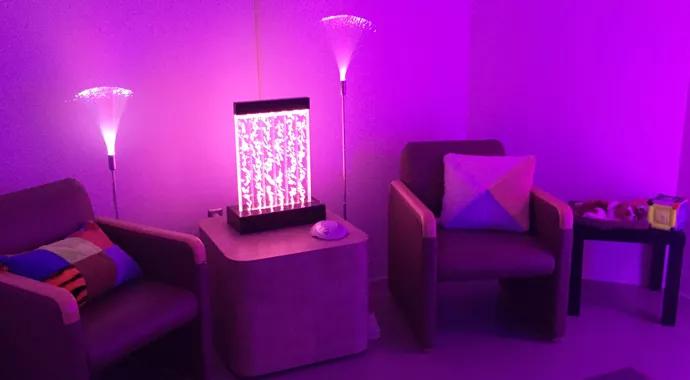
Image content: This image is available to view online.
View image online (https://assets.clevelandclinic.org/transform/cb3f5855-a616-4bdf-b339-233c2f0e9d7d/MSST_690x380_jpg)
MSST_690x380
Dementia is a form of neurocognitive decline described by a serious loss of cognitive ability beyond what may be expected from normal aging. Often thought of as merely a problem of memory, dementia also reduces the ability to learn, reason, retain or recall past experiences and severs patterns of thoughts and feelings.
Advertisement
Cleveland Clinic is a non-profit academic medical center. Advertising on our site helps support our mission. We do not endorse non-Cleveland Clinic products or services. Policy
Behavioral and psychological symptoms of dementia include aggressive behavior, depression, cognitive decline, restlessness and apathy. This can cause great suffering for those afflicted as well as their families and caregivers. To address this concern, an increasing number of medical facilities turn to Snoezelen® therapy, a proven technique to improve the quality of life for adults coping with neurocognitive impairment.
Due to the fact that Marymount Hospital serves a rapidly increasing senior demographic in Cuyahoga County, Ohio, Snoezelen therapy has become an essential component of patient care in the hospital’s Older Adult Behavioral Health Unit (OABHU). Established in January 2012, the 26-bed unit specializes in treating acute psychiatric problems in a secure and nurturing environment. To better care for these patients and their complex needs, the OABHU introduced a multisensory stimulation (MSS) therapy room based on the principles of Snoezelen therapy. The unit includes a psychiatrist, registered nurses, a social worker, recreational therapists, occupational therapists, physical therapists, pharmacists and health technicians.
While there is no cure for dementia, MSS aims to bring purpose and meaning into the lives of those living with advanced stages of neurocognitive disorder. MSS addresses symptoms of dementia, including: anxiety, agitation, delusions, hallucinations and paranoia; mood disorders; severe depression with thoughts to harm self or others; and other related mental illness. Research into the use of MSS for individuals with dementia began in the mid-1990s and has been found to have positive effects on the behavior, mood and cognition of patients.
Advertisement
Dementia patients and those with similar neurocognitive conditions are difficult to interact with due to the symptoms of their illness. Improving concentration and medical compliance can be challenging. The MSS therapy room at Marymount Hospital helps address this issue by redirecting the focus of patients and drawing them into a more comforting environment.
The goals of the MSS therapy room include:
The soothing environment of the MSS therapy room is specially designed to deliver specific stimuli to various senses using lighting effects, color, sounds, textures, music and scents.
Equipped with activities to engage all the senses, the room includes two water features (including a bubble tube), fiber optic lights, a laser star projector, a nature sound machine, an aromatherapy fan and a variety of tactile activities.
Kathleen McKenzie, BSN, RN, Nurse Manager of the Older Adult Behavioral Health unit at Marymount Hospital, recalls an example of how the MSS therapy room at Marymount Hospital impacts patients:
“A patient diagnosed with dementia was becoming increasingly restless and was difficult to redirect. The patient was clearly becoming overstimulated, even becoming sensitive to slight noises. At that time, caregivers took the patient to the MSS therapy room. While there, a bubble tube and laser star projector were turned on along with the soothing sound of rain being played in the background. A pillow with soft textures was placed for the patient’s hands to rest on. The patient gradually began to relax and after about 15 minutes, fell asleep.”
Advertisement
In dementia care, both patient and caregiver are placed in a tense environment; the MSS therapy room calms the patient, ensures safety and returns a sense of control for all parties. MSS is also an effective alternative to more formal therapeutic and prescription drug regiments.
Empathy plays a big part in delivering the best in care. While dementia may change people, these people still live within their bodies. Creating an atmosphere that caters to the specific needs of these patients not only provides comfort to them, but also to loved ones and caregivers.
Advertisement
Advertisement

Nurses play key role in comprehensive lifetime treatment program
Customized bots improve speed, efficiency by streamlining daily clinical, clerical tasks
Nurses play pivotal role in patients’ ability to recover in the comfort of their own homes
New protocol reduces costs, increases patient and caregiver satisfaction
Advocating for patient safety is imperative in fast-paced surgical settings
M-Power program improves the perinatal experience for people who have survived abuse

Advice for those pursuing a WOC nursing career
Veteran nurse shares his experience as a caregiver and community volunteer
 Search