Locations:





A checklist of the latest evidence to share with patients
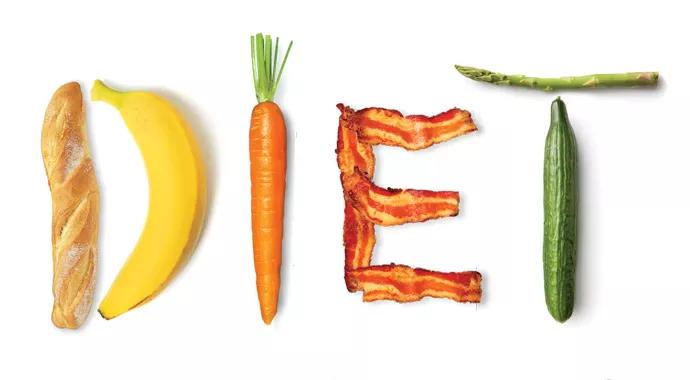
Image content: This image is available to view online.
View image online (https://assets.clevelandclinic.org/transform/8aed2416-9563-4f18-b9b4-507b34c86710/DHH-690x380_jpg)
DHH-690×380
As detailed in this related post, recent headlines have spotlighted studies that overturn some longheld beliefs about diet and the heart — or at least add nuance to our understanding.
Advertisement
Cleveland Clinic is a non-profit academic medical center. Advertising on our site helps support our mission. We do not endorse non-Cleveland Clinic products or services. Policy
The effect may be that your patients grow skeptical of any dietary guidance. But patients need to know that broad consensus remains on many dietary recommendations.
To that end, Cleveland Clinic cardiologists Steven Nissen, MD, and Stanley Hazen, MD, PhD, helped develop this patient-friendly checklist of where today’s evidence stands on the heart effects of some high-interest food types and nutrients. Share it with a patient today.
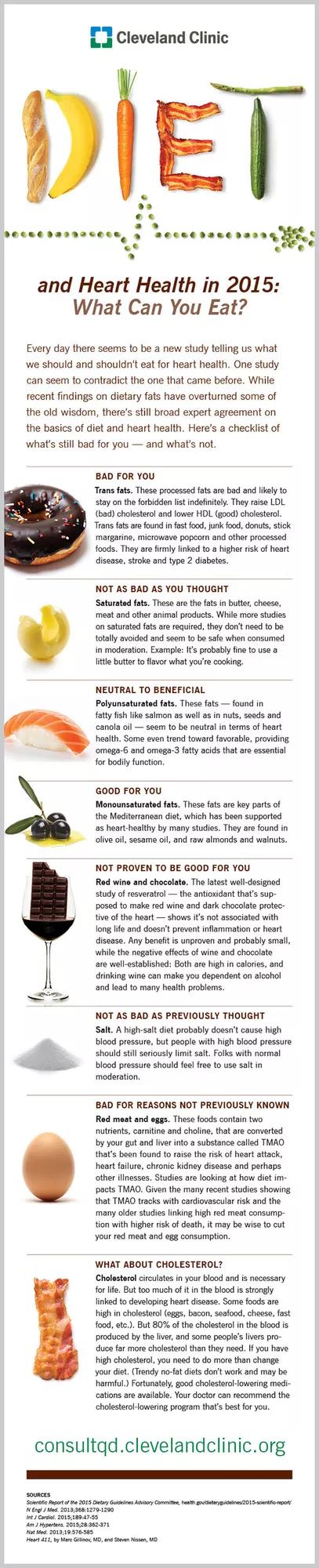
Image content: This image is available to view online.
View image online (https://assets.clevelandclinic.org/transform/98803cc7-d66f-408c-91a6-537e7c3e1cc0/15-HRT-1182-Diet-and-Heart-Health-Infographic_FNL_jpg)
The infographic highlights broad expert agreement on the basics of diet and heart health. It notes the following:
Advertisement
Advertisement
A sampling of outcome and volume data from our Heart & Vascular Institute
Concomitant AF ablation and LAA occlusion strongly endorsed during elective heart surgery
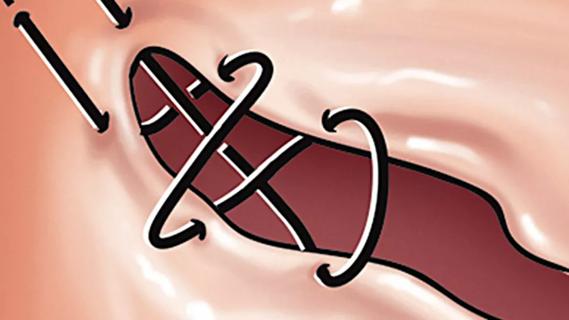
Large retrospective study supports its addition to BAV repair toolbox at expert centers
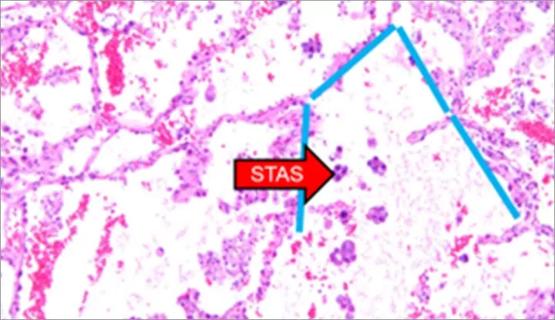
Young age, solid tumor, high uptake on PET and KRAS mutation signal risk, suggest need for lobectomy
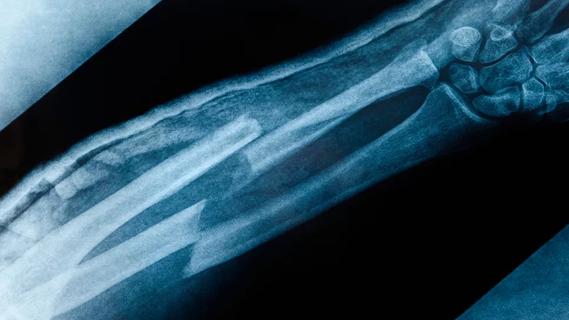
Surprise findings argue for caution about testosterone use in men at risk for fracture
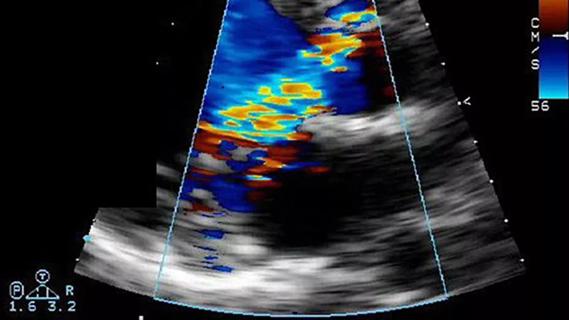
Residual AR related to severe preoperative AR increases risk of progression, need for reoperation
Findings support emphasis on markers of frailty related to, but not dependent on, age
Provides option for patients previously deemed anatomically unsuitable
 Search