Locations:





News from the web that piqued our interest

Image content: This image is available to view online.
View image online (https://assets.clevelandclinic.org/transform/a847a8e0-cf43-4a47-9935-b31963b7cfc4/16-HRT-1463-Dont-Miss-Beat-CQD-650x450-2-1_jpg)
Don't Miss a Beat
The wait may be over for CMS’s final MACRA rule, but it’s still leaving plenty of stakeholders divided. And interesting studies have emerged on everything from EVAR’s dwindling benefits over time to vegetarianism’s mixed health effects. These are a few recent news topics that caught the eye of Cleveland Clinic Miller Family Heart & Vascular Institute Chairman Lars Svensson, MD, PhD. Here’s a fuller sampling.
Advertisement
Cleveland Clinic is a non-profit academic medical center. Advertising on our site helps support our mission. We do not endorse non-Cleveland Clinic products or services. Policy

Image content: This image is available to view online.
View image online (https://assets.clevelandclinic.org/transform/d1786d21-bb03-4363-9fd7-bef8f1fdef93/Svennson-inset-600x400-e1471287920627_jpg)
Lars Svensson, MD, PhD
MACRA rule finalized at last — After receiving over 4,000 formal comments on how to disperse Medicare payments to physicians under MACRA, CMS has released its much-anticipated final rule on the subject, which applies to payments starting in 2019. An AP story provides details. Cardiovascular Business reports American College of Cardiology President Richard Chazal, MD, says that ACC is “encouraged to see that CMS has made several changes in the final rule” based on clinicians’ comments and urges CMS to help “ensure that this transition does not interfere with…patient-centered care.” But internist and attorney Caroline Poplin, MD, JD, has a very different take in an opinion piece on Medpage Today.
Get ready for patient questions about calcium — High total calcium intake is associated with reduced risk of incident atherosclerosis over long‐term follow‐up, especially if it’s achieved without supplement use. So report investigators with the longitudinal cohort study known as MESA in Journal of the American Heart Association. They also found that calcium supplement use appears to raise the risk for incident coronary artery calcification as measured by CT. The lead researcher told HealthDay: “Patients should really discuss any plan to take calcium supplements with their doctor to sort out a proper dosage or whether they even need them.”
EVAR’s dwindling benefit over time demands lifelong surveillance — “There is no time when it is safe to discontinue surveillance in patients who have had EVAR.” That’s a key takeaway from the EVAR Trial 1 investigators, who reported 15-year follow-up results of their multicenter UK study in The Lancet earlier this month. They found that endovascular aneurysm repair (EVAR) has an early survival benefit but inferior late survival compared with open repair of abdominal aortic aneurysms.
Advertisement
Maybe it was obvious, but now it’s documented — Patients who undergo left main coronary artery PCI by high-volume and experienced operators have better short- and long-term prognoses. So concludes an analysis of 1,948 consecutive patients who underwent the procedure in China. The study, which evaluated outcomes by operators’ experience and volume level, is published in JACC: Cardiovascular Interventions and reported in Cardiovascular Business. An accompanying editorial in the journal notes that although the experience-based “center of excellence” concept has been “overused to the point it now has little meaning,” this study shows it seems to hold weight for patients requiring left main PCI.
Disheartening findings for vegetarians — Framingham cardiovascular disease risk is statistically the same for vegetarians and meat eaters even though vegetarians have lower rates of obesity, hypertension and metabolic syndrome. So reported researchers from Rutgers New Jersey School of Medicine at the American College of Gastroenterology meeting in Las Vegas earlier this month. The findings, from an analysis of 12,000 adults included in the U.S. National Health and Nutrition Examination Survery (NHANES) from 2007 to 2010, conflict with some previous research on the heart effects of a vegetarian diet. HealthDay reports on the study.
On the bright side — It’s been hard to miss the news that the Obama administration reports premiums for midlevel benchmark health plans on the federally run ACA exchange market will surge an average of 25 percent next year, at least before taxpayer-provided subsidies kick in. Even so, Reuters reports a less-distressing (and less-reported) fact: Premiums for Americans who get health insurance through their employers will rise 4 to 5 percent in 2017, a smaller gain than in recent years. There’s still one downer: Deductibles are expected to climb more steeply.
Advertisement
Advertisement
A sampling of outcome and volume data from our Heart & Vascular Institute
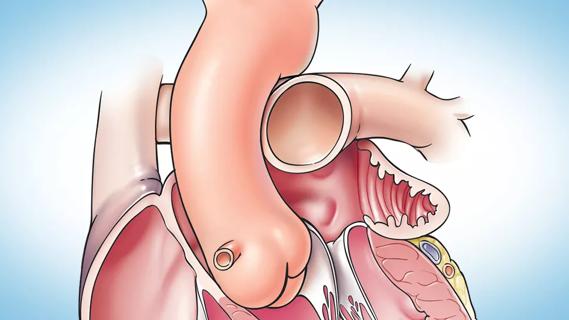
Concomitant AF ablation and LAA occlusion strongly endorsed during elective heart surgery
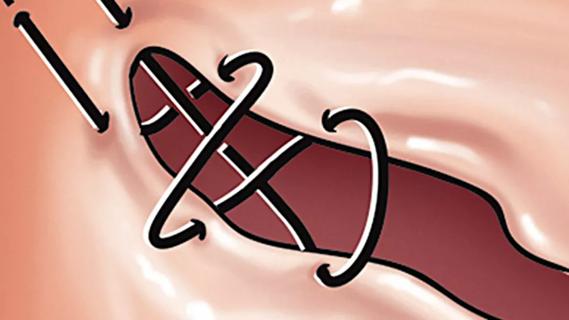
Large retrospective study supports its addition to BAV repair toolbox at expert centers
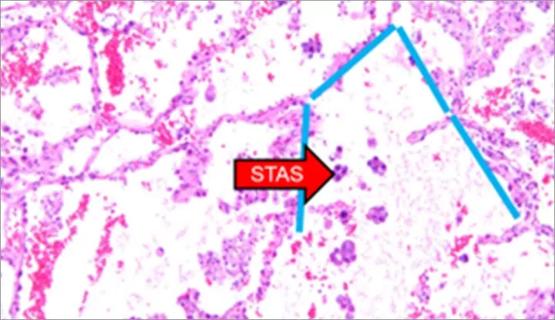
Young age, solid tumor, high uptake on PET and KRAS mutation signal risk, suggest need for lobectomy
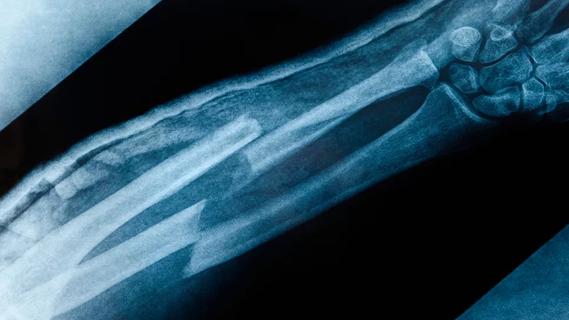
Surprise findings argue for caution about testosterone use in men at risk for fracture
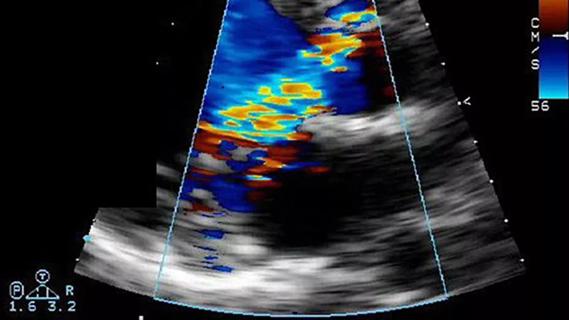
Residual AR related to severe preoperative AR increases risk of progression, need for reoperation

Findings support emphasis on markers of frailty related to, but not dependent on, age
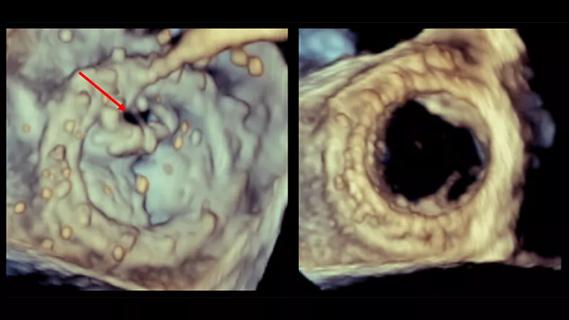
Provides option for patients previously deemed anatomically unsuitable
 Search