Locations:





Livestreamed CME conference explores disparities in stroke care and beyond

Image content: This image is available to view online.
View image online (https://assets.clevelandclinic.org/transform/e9759954-81b3-4d74-ba27-4cb228d6678a/21-NEU-2094111-CQD-Hero_650x450_4_jpg)
21-NEU-2094111 CQD Hero_650x450_4
COVID-19’s disproportionate impacts across the United States have elevated racial and ethnic health disparities within the national consciousness like nothing else in recent years. Now healthcare professionals who want to be part of the solution for disparities across the broader healthcare landscape have a timely tool at their disposal: Health Disparities 2021, a CME-certified livestreamed virtual conference offered by Cleveland Clinic the afternoon of Friday, April 16, and the morning of Saturday, April 17.
Advertisement
Cleveland Clinic is a non-profit academic medical center. Advertising on our site helps support our mission. We do not endorse non-Cleveland Clinic products or services. Policy
The conference, subtitled “Moving Forward to Close the Gap in Minority and Ethnic Populations,” is sponsored by the Minority Stroke Program within Cleveland Clinic’s Cerebrovascular Center in partnership with Cleveland Clinic’s Multicultural Health Center of Excellence. While it gives special attention to disparities in stroke care, the agenda extends to other health disparities as well and to practical strategies for overcoming disparities across specialties.
“Greater awareness of the major issues surrounding stroke, heart attack and other health disparities is needed, as awareness is the first step in bringing about positive change,” says conference director Gwendolyn Lynch, MD, Director of Cleveland Clinic’s Minority Stroke Program. “This conference will provide the useful facts underlying stroke and other health disparities, ways to overcome obstacles that underlie these disparities, and an opportunity to network and establish multidisciplinary solutions toward eliminating health disparities.”
The conference’s dozen expert faculty members hail from Cleveland Clinic and other leading U.S. medical centers and represent specialties ranging from neurology and vascular neurology to internal medicine, urology, obstetrics/gynecology and more. They will use a mix of lectures, case presentations, panel discussions and patient perspectives to engage the target audience of physicians and other healthcare professionals from across the spectrum of clinical specialties.
Areas of focus including the following, among others:
Advertisement
The conference runs from 2 to 6 p.m. ET Friday, April 16, and from 7:55 a.m. to 12:15 p.m. ET Saturday, April 17. Registration details and a full agenda and faculty list are at ccfcme.org/healthdisparities21.
Advertisement
Advertisement

New study advances understanding of patient-defined goals

Testing options and therapies are expanding for this poorly understood sleep disorder

Real-world claims data and tissue culture studies set the stage for randomized clinical testing
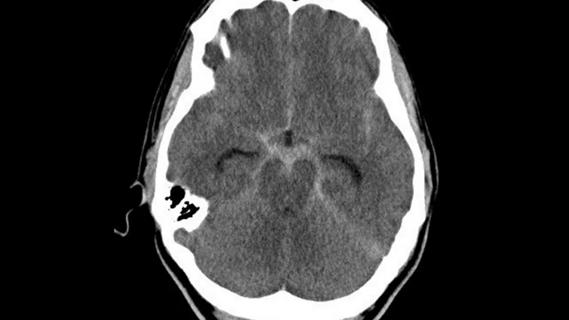
Digital subtraction angiography remains central to assessment of ‘benign’ PMSAH

Cleveland Clinic neuromuscular specialist shares insights on AI in his field and beyond
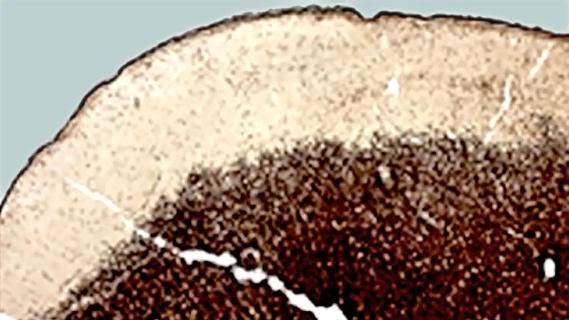
Findings challenge dogma that microglia are exclusively destructive regardless of location in brain

Neurology is especially well positioned for opportunities to enhance clinical care and medical training

New review distills insights from studies over the past decade
 Search