Locations:





Amount of HDL may be less important than previously thought
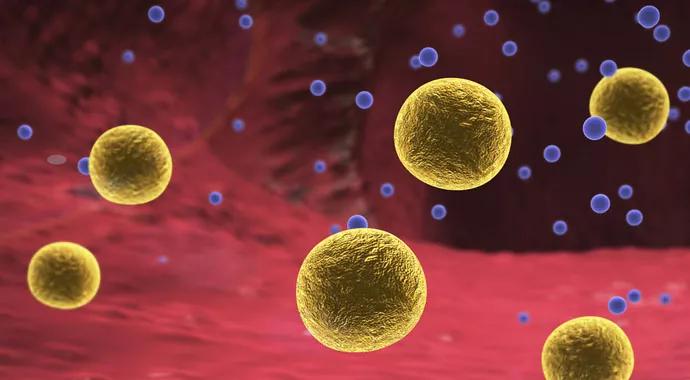
Image content: This image is available to view online.
View image online (https://assets.clevelandclinic.org/transform/81899e25-563d-42ea-be11-85f462078386/Cholesterol-690x380_jpg)
Cholesterol-690×380
The ability of HDL to remove cholesterol from the artery walls may be more important than the amount of HDL in the blood, researchers found in a study presented at the American heart Association 2014 Scientific Sessions.
Advertisement
Cleveland Clinic is a non-profit academic medical center. Advertising on our site helps support our mission. We do not endorse non-Cleveland Clinic products or services. Policy
“This finding is very interesting and could explain why medications to raise HDL have not yet improved outcomes in clinical trials and, in some cases, have increased the risk of death or cardiovascular events,” says Steven Nissen, MD, Chairman of Cardiovascular Medicine at Cleveland Clinic. “However, this is not the end of the story.”
In an effort to better understand how HDL functions, researchers measured HDL levels, particle concentration and cholesterol-efflux capacity in 2,924 adults without cardiovascular disease. Although age, gender and body mass index (BMI) affect HDL levels, these levels did not correlate with HDL functionality. Gender did not influence efflux capacity, and efflux did not appear to be associated with BMI, insulin resistance, lipid levels or body composition.
Participants in the highest quartile of cholesterol-efflux capacity had a 67 percent lower risk of developing cardiovascular disease, having a cardiovascular event or dying than those in the lowest quartile.
Advertisement
Advertisement
A sampling of outcome and volume data from our Heart & Vascular Institute
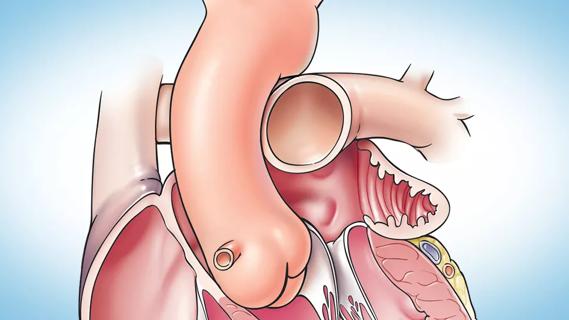
Concomitant AF ablation and LAA occlusion strongly endorsed during elective heart surgery
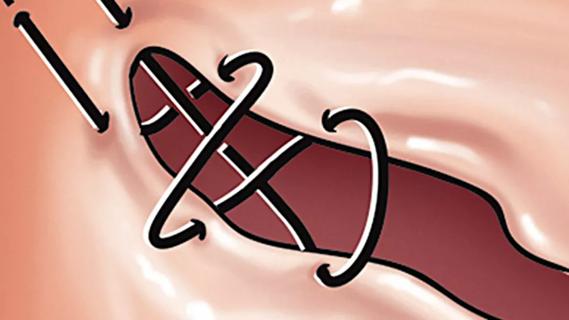
Large retrospective study supports its addition to BAV repair toolbox at expert centers
Young age, solid tumor, high uptake on PET and KRAS mutation signal risk, suggest need for lobectomy
Surprise findings argue for caution about testosterone use in men at risk for fracture
Residual AR related to severe preoperative AR increases risk of progression, need for reoperation

Findings support emphasis on markers of frailty related to, but not dependent on, age
Provides option for patients previously deemed anatomically unsuitable
 Search